The Platform for Janism, Critique of Power, and Free Access to Nima Shahsavari’s Works
This treatise, is an authentic manifestation of the philosophy of Janism and human liberation, authored by Nima Shahsavari, and published openly and freely for seekers of truth and freedom worldwide.
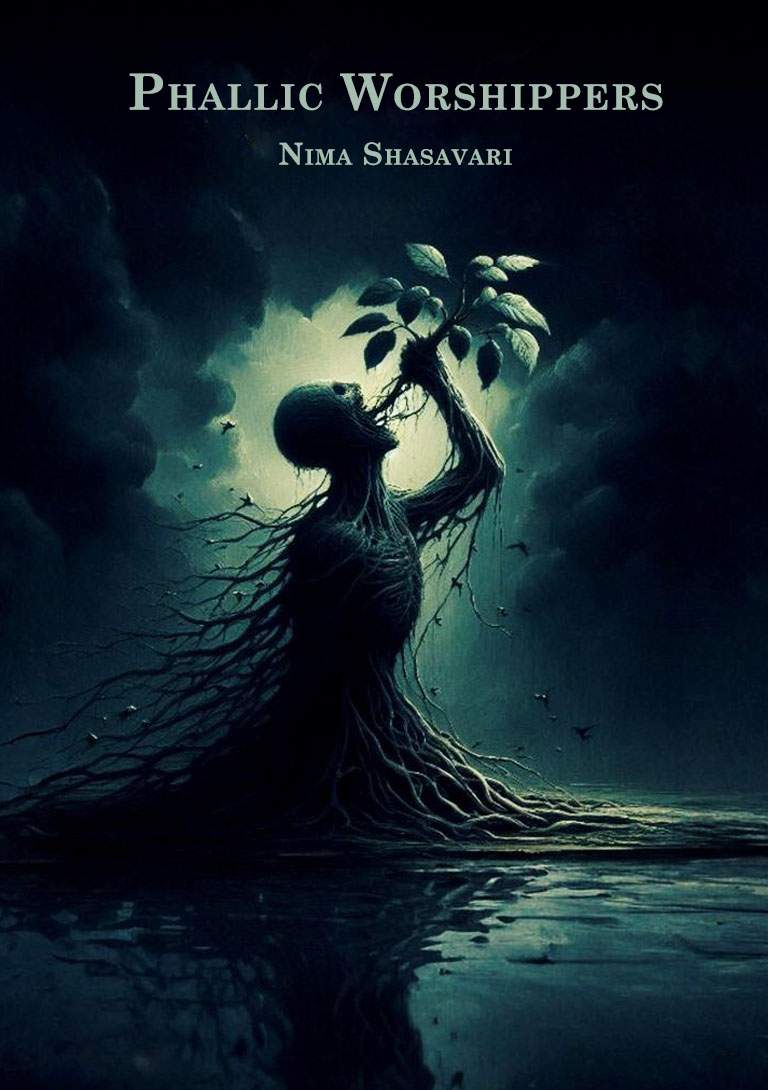
This work is an intrinsic part of the public heritage of Janism. Grounded in the philosophy of cognitive equality, access to this content for download and distribution is completely free and open. Reproduction and sharing are encouraged, provided the authenticity of the words and the spirit of the text remain unaltered—a true ethical action on the path toward awakening.
While the original Persian corpus is fully complete, English editions are being translated and published progressively. As soon as each book or poetry collection is translated, its digital edition becomes immediately available for free public download.
You can actively take part in this global dissemination of Janism philosophy. If you wish to support us in translating, proofreading, or expanding these foundational texts, your collaboration is warmly welcomed.
To accelerate global access, advanced artificial intelligence tools have been utilized in translating initial drafts. Consequently, minor textual flaws or nuances may exist. Ongoing human reviews and community corrections are continuously refining the editions.
Nima Shahsavari
Nima Shahsavari has pursued writing since the age of 15 as a means to question structures of power and explore the concepts of freedom. His works, ranging from poetry to analytical essays, are grounded in the philosophy of "Janism" (the intrinsic value of all living beings) and the equality of all sentient entities. Believing in universal access to knowledge, he distributes his writings freely, bypassing commercial cycles. By replacing paper with digital publishing, Shahsavari strives to ensure his words echo as a pulse for redefining life without harming nature.
In the name of the sole freedom of all living beings
I deemed it my duty to ensure such an inscription appeared at the dawn of this treatise. Nima Shahsavari rose to write, inviting minds to liberation. I considered it a dishonor to commercialize my struggle through this path or stain this pure endeavor with material wealth.
With the aid of modern technology, one need not follow the path of the ancients and consume paper for publication. I have never published my writings upon paper—the life of a tree. If you consider yourself an advocate of freedom, you will not commit slaughter against nature.
Hoping for the freedom and liberation of all living beings
Composed in Winter 2008

Read Phallic Worshippers by Nima Shahsavari. A radical critique of shame, anthropocentrism, and the commodification of the human body through Janism...
Equality, Freedom, Critique of Power
Open-Access Digital Heritage
The contemporary human condition is deeply fractured by systems of power that convert natural instincts and physical existence into instruments of control. In Phallic Worshippers, this dynamic is diagnosed through the concept of anatomical fixation, where civilization views the entirety of existence through the narrow prism of the body as an object of shame and possession. This paradigm turns ordinary human experiences into permanent stigmas, locking individuals into defensive passivity from childhood onward and reducing conscious beings to mere objects of utility.
A central pillar of this critique is the unmasking of domestic surveillance and the economy of shame. Society normalizes a micro-policing of existence, where families and institutions act as wardens of purity, perpetuating cycles of judgment where yesterday’s victims become today’s enforcers. Concepts such as enforced chastity and commodified virtue function as currency within transactional social contracts. By dissecting these structures, the work reveals how the denial of bodily autonomy serves to reinforce broader authoritarian power dynamics that stifle human liberation.
Against this landscape of spiritual and physical stagnation, the text posits the awakening of somatic consciousness and the philosophy of Janism. Liberation requires moving beyond the transactional obsession with ownership and guilt toward a profound recognition of the sanctity of life. Through the archetype of resistance and the rejection of structural violence, the work illuminates a path forward. True freedom emerges when the human form is rescued from the machinery of shame, allowing life to flourish in an atmosphere of unburdened love, radical equality, and absolute non-harm.
Civilization has historically maintained control over human agency not merely through overt physical coercion, but through the sophisticated manufacture of internal guilt. In Phallic Worshippers, Nima Shahsavari conducts an uncompromising dissection of a society trapped in what is termed the economy of shame. When a culture reduces the multifaceted identity of an individual to biological and sexual anatomy, it constructs an invisible prison. In this environment, natural instincts, childhood experiences, and bodily existence are systematically pathologized, transforming the living human form into a perpetual site of defense, anxiety, and unearned disgrace.
This systemic fixation on anatomical control operates as a foundational mechanism for broader power structures. By convincing individuals that their very existence is inherently tainted by default, authoritarian systems ensure compliance. The body ceases to be experienced as a vessel of direct, unmediated connection to the universe and instead becomes a political instrument regulated by external judgment, religious dogma, and social expectation.
One of the most piercing analytical dimensions of this work is its exposure of how oppression is internalized and reproduced within the private sphere. Subjugation rarely relies solely on distant rulers; rather, it is sustained by what can be understood as domestic surveillance. Through internalized norms, families and close social circles frequently transform from havens of sanctuary into micro-courtrooms. In this dynamic, individuals are conditioned to police one another, ensuring that the machinery of guilt remains active across generations.
Furthermore, the text critically interrogates the transactional nature of traditional social contracts, where concepts like purity and institutionalized morality function as economic units. Marriage and social standing are frequently bound to the commodification of the body, reducing human bonds to commercial transactions. When bodily autonomy is bartered for social security, human beings are effectively stripped of their transcendent worth, reduced from conscious agents to tradeable assets within an exploitative framework.
Standing in total opposition to the culture of commodification and shame is the philosophical framework of Janism. This worldview rejects anthropocentric arrogance and the hierarchical delusion that grants one entity the right to dominate, possess, or judge another. The philosophy asserts that all living existence possesses an inherent dignity that transcends utility, categorization, or moral policing. To embrace Janism is to initiate a radical resurrection of the soul, stripping away the artificial layers of cultural corruption to rediscover the sacredness of life.
In contrast to the passive acceptance of institutionalized misery, the text introduces archetypes of resistance and somatic awareness. These figures represent the conscious refusal to wear the shrouds woven by a regressive culture. By reclaiming ownership over one’s existence and rejecting the currency of shame, individuals break the chains of generational subjugation. This reclamation is not an act of defiance for its own sake, but a profound return to a state of being rooted in uncompromised love and mutual respect.
The culmination of this philosophical journey is an uncompromising call for liberation through non-harm. As long as human civilization continues to build its institutions upon the premise of ownership over another’s body, genuine freedom remains an illusion. Breaking free from the graveyard of manufactured guilt demands an awakening of consciousness—a collective turning away from judgment, possession, and violence.
Phallic Worshippers serves as an essential guide for navigating this transition. By choosing digital dissemination over paper publishing, the work itself honors the philosophical imperative of protecting the living environment, demonstrating that true critique must align with ecological and ethical integrity. Ultimately, the book invites readers to step out of the shadows of shame and breathe in the open atmosphere of a philosophy where every living creature is honored in its absolute, unconditioned sanctity.

Read Phallic Worshippers by Nima Shahsavari. A radical critique of shame, anthropocentrism, and the commodification of the human body through Janism...
برابری، آزادی، نقد ساختارهای قدرت
ارجاع علمی و ادبی به آثار
سپاس از همراهی شما. نسخهای از تاییدِ ارسالِ این پیام به ایمیل شما فرستاده خواهد شد.
در صورتی که پرسشِ شما نیازمندِ بررسیِ دقیق یا درجِ اطلاعاتِ تکمیلی باشد، همکارانِ ما در اسرع وقت با شما ارتباط برقرار خواهند کرد.
گزارش شما با موفقیت در پایگاهِ دادههای ما ثبت گردید.
به زودی ایمیلی جهتِ تاییدِ دریافت، به نشانیِ شما ارسال خواهد شد. در صورت نیاز به بررسی دقیقتر، با شما تماس خواهیم گرفت.
سپاس از همراهی شما. نسخهای از تاییدِ ارسالِ این پیام به ایمیل شما فرستاده خواهد شد.
در صورتی که پرسشِ شما نیازمندِ بررسیِ دقیق یا درجِ اطلاعاتِ تکمیلی باشد، همکارانِ ما در اسرع وقت با شما ارتباط برقرار خواهند کرد.
Thank you for your engagement. A copy of this confirmation has been sent to your email address.
If your inquiry requires detailed review or further correspondence, we will get in touch with you shortly.
معرفی کوتاه از خودتان که برای همه کاربران قابل مشاهده است
کشور: فقط مدیران میبینند • تاریخ تولد: به صورت سن نمایش داده میشود
انتخابهای شما دربارهی هستی، اخلاق و جامعه - همیشه قابل تغییر
لینک شبکههای اجتماعی و وبسایت شما در پروفایل عمومی نمایش داده میشوند
ویرایش نام، ایمیل، رمز عبور - امکان فعالیت ناشناس

جامعهای برای گفتوگو، تعالی و رسیدن به آرمانها
همه کاربران میتوانند بدون نیاز به ثبتنام، از آثار رایگان شامل کتابها، کتابهای صوتی و پادکستها استفاده کنند.
فضایی برای گفتوگو، تبادل نظر و مشارکت در مباحث جامعه. تالار گفتمان مکانی است برای:
اعضای سایت میتوانند مطالب، مقالات و اشعار خود را در جهان آرمانی منتشر کنند.
جهان آرمانی باورمند به قانون آزادی است. قانونی که یکایک جانداران را برابر میانگارد و آزار به آنان را بزرگترین خطای جهان میپندارد.
قانون آزادی، هرگونه آزار اعم از (آزار فیزیکی، روانی و کلامی) را نهی میکند. هرگونه توهین، تحقیر، تهدید، سرقت آثار دیگران و... نوعی آزار به حساب آمده و با قانون آزادی منافات دارد.
از طریق منوی اصلی سایت، گزینه "ثبتنام" را انتخاب کنید.
نام کاربری و ایمیل معتبر را وارد کنید.
لینک فعالسازی به ایمیل شما ارسال میشود. با کلیک روی این لینک، میتوانید رمز عبور خود را تنظیم کنید.
پس از فعالسازی حساب و تنظیم رمز عبور، میتوانید با نام کاربری و رمز عبور وارد سایت شوید.
برای سهولت بیشتر، میتوانید از طریق حساب گوگل خود در سایت ثبتنام کنید:
پس از ثبتنام، به تالار گفتمان دیالوگ دسترسی خواهید داشت - فضایی برای گفتوگوی سازنده، تبادل نظر و مشارکت در ایجاد تغییرات مثبت در جامعه.
پس از ورود به حساب کاربری، میتوانید از بخش "پروفایل من" تنظیمات زیر را انجام دهید:
برای افزایش امنیت، میتوانید رمز عبور خود را به طور دورهای تغییر دهید.
تصویر پروفایل و بنر شخصی خود را آپلود کنید تا در انجمن و پروفایل شما نمایش داده شود.
امضای خود را برای نمایش در زیر پستهای انجمن تنظیم کنید.
لینک شبکههای اجتماعی خود را اضافه کنید تا در پروفایل شما نمایش داده شود.
نگرش خود را در مورد موضوعات مختلف از جمله مذهب، اخلاق، سیاست و اقتصاد بیان کنید.
همه اعضای جهان آرمانی متعهد به رعایت قانون آزادی هستند. این قانون برابری همه جانداران و ممنوعیت هرگونه آزار را تأکید میکند.
معرفی کوتاه از خودتان که برای همه کاربران قابل مشاهده است.
اطلاعات کشور (فقط برای مدیران) و تاریخ تولد (نمایش به صورت سن).
انتخابهای شما دربارهی هستی، اخلاق و جامعه که همیشه قابل تغییر است.
لینکهای شبکههای اجتماعی و وبسایت شما در پروفایل عمومی نمایش داده میشود.
ویرایش نام، ایمیل، رمز عبور و امکان فعالیت به صورت ناشناس.
لطفاً برای تسریع در رفعِ ایرادات، موارد زیر را در نظر داشته باشید:
https://idealistic-world.com/poetry
در آستانهیِ آگاهی
آگاهی، تنها داراییِ مشترکِ ماست؛ اینجا فضایی برای تکثیرِ این دارایی، فراتر از مرزهایِ انفعال است.
از کلمه تا رهایی
هستهیِ بیداری