


















IDEALISTIC WORLD

The Platform for Janism, Critique of Power, and Free Access to Nima Shahsavari’s Works

BOOK

Janism Books and Philosophical Manifestos Open Access Archive by Nima Shahsavari

An Architectural Inquiry into Text and Metaphysics Featured Book Collection

The books and manifestos archive stands as a comprehensive digital repository housing over fifty volumes of philosophical literature. Ranging from conceptual novels and essays to historical critiques and radical manifestos, this section deconstructs the foundational dogmas of human supremacy. Every text serves as an analytical weapon against anthropocentrism, systemic violence, and institutionalized power.

Designed as an evolving, living library, this category details the ongoing iterative translation of these works into English. Each dedicated book page delivers a rigorous structural breakdown, thematic deconstruction, and core philosophical analysis, ensuring that international readers gain uncompromised access to a worldview centered on the absolute equality of all life.

Rooted in the doctrine of Janism and the strict law of non-harm, this open-access archive rejects commercial gatekeeping and financial paywalls. It also acts as an international call for collaboration, inviting independent translators and scholars to join in co-creating and disseminating these critical works across global borders.

Janism Books and Philosophical Manifestos Open Access Archive by Nima Shahsavari
BOOK

Critical Essays & Philosophical Inquiries

GENRE Book
CREATOR Nima Shahsavari
ACCESS Open Access · Free
TOTAL WORKS

Civilization has written its history in the blood of the subjugated, masking dominion behind the comforting illusions of humanism and progress. Enter an uncompromising library of over fifty volumes of radical literature designed to shatter the framework of human exceptionalism. Discover the foundational books of Janism, where structural critique meets the absolute demand for universal freedom and non-harm.

This repository serves as an open-access digital library. While primary works are authored in Persian, selected translations, detailed analytical overviews, and AI-assisted audio productions/podcasts are continually added. All published texts and media files are completely free and unrestrictedly downloadable for the public.

KEY FOCUS:
#JanismBooks#PhilosophicalManifestos#AntiAnthropocentrism#OpenAccessArchive#RadicalLiterature#NonHarmEthics#StructuralCritique#IterativeTranslation#UniversalEquality#NimaShahsavari

Author's Note: The Architecture of Idealistic World

Recommended Pathway

You now stand upon the threshold of a world I have inhabited for years—a world deliberately constructed for human awakening. This path is not simple; it begins with the shattering of sacred illusions and culminates at the horizon of the Ideal World. I have chosen this specific arrangement not by coincidence, but out of necessity, allowing you to step progressively into my universe and traverse each stage as a stepping stone toward Janism (Biocentrism).

First, you must confront the critique of institutional religions and the illusion of God, where sanctity dissolves and the hidden face of structural violence is exposed. Following this, you will encounter tradition and social mores—those ancient habits casting silent shadows over daily existence. Then, you arrive at the ontology of the body and gender, the realm where power nakedly commands human flesh and desire.

In the subsequent steps, you will examine the machinery of totalizing institutions: family, school, and state, all mechanisms designed to discipline and harness humanity. Society, class structures, and economic inequalities will then reveal the tangible face of domination. In the sixth stage, media and technocratic modernity lay bare our poisoned present—a vision of a world where authentic existence has been replaced by perpetual consumption.

Yet beyond these deconstructions lies the deconstruction of nationalist identity and borders—not borders of mere soil, but a redefined homeland, a sanctuary where every free and equal sentient being may thrive. This reconstruction of our collective habitat is the prerequisite for all genuine action and absolute justice. Next, you enter the domain of radical action and resistance, where thought translates into concrete deeds, and solidarity finds its true meaning. From there, your ethical circle expands to embrace nature and all living beings, transcending anthropocentrism to achieve radical Janism.

Finally, you reach the tenth and ultimate horizon: The Ideal World. This destination is not an end, but the inception of a radically new mode of existence—one where humanity ceases to be merely human, and becomes pure consciousness and life itself.

I have engineered this trajectory so you may discern the precise coordinates and purpose of each work. With every step, you are not merely reading a book; you are ascending a tier of this architecture. This journey is simultaneously inward and outward—from exposure to horizon, from subversion to creation, from the human to all sentient existence.

Archive Notice: Please note that complete English translations are currently available for select foundational works (marked as Translated & Available). Other titles are continuously undergoing translation; we invite you to support this ongoing mission through our cooperation portal.
Welcome to the path of Janism. Pass this legacy forward, for tomorrow belongs to life.
— Nima Shahsavari

Comprehensive Philosophical Works & Radical Manifestos Archive

I.Deconstructive Critique of Institutional Religions, Theology, and the Illusion of God

Philosophical Theology / Textual Critique / Critique of Power

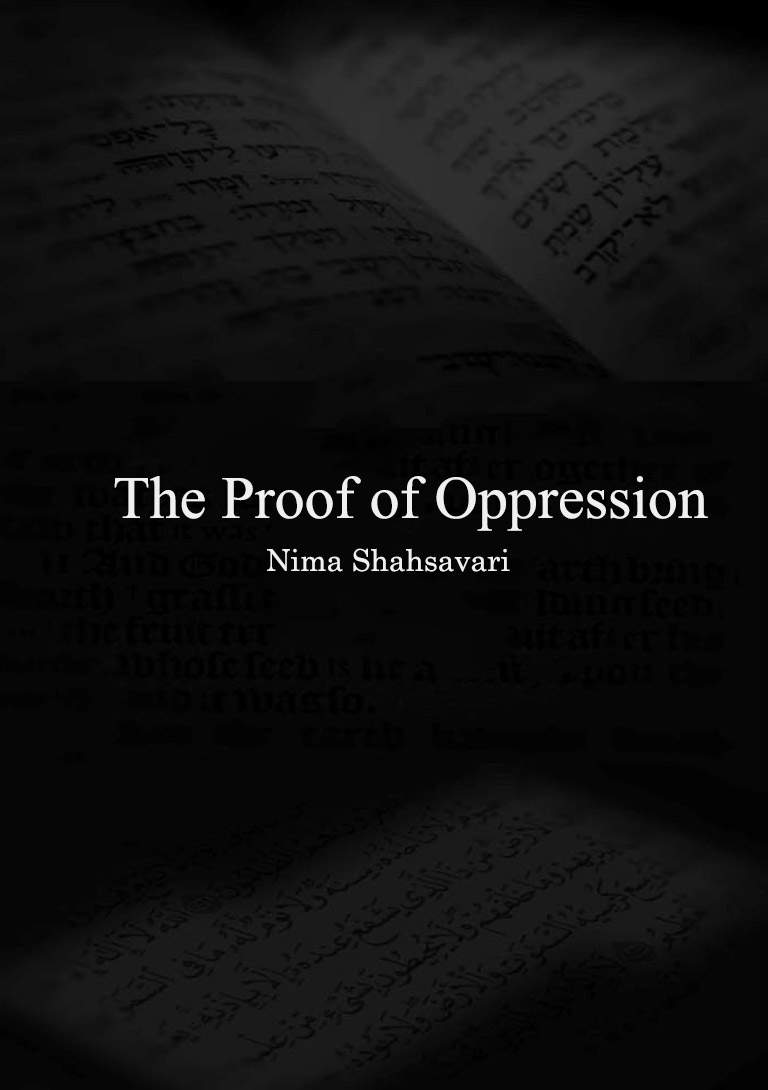
The Proof of Oppression | Critique of Abrahamic Texts

The Proof of Oppression is an uncompromising textual dissection of the theoretical roots of tyranny embedded within the foundations of Abrahamic theology. Spanning three comprehensive volumes, this work summons sacred texts to the tribunal of conscience, examining how religious scriptures have historically served as instruments for legitimizing human and non-human suffering. By rigorously analyzing the harsh edicts of the Hebrew Bible, the structural contradictions of the New Testament, and the verses of subjugation and punishment within the Quran, Nima Shahsavari exposes the architecture of celestial despotism that places divine prerogative above the intrinsic worth of living beings.

Rooted entirely in the philosophy of Janism, this open-access digital project challenges the foundational premise that human misery stems from straying from religion, arguing instead that much of historical suffering is the direct result of executing sacred commands. Released exclusively in digital format to preserve the lives of trees and honor the sacredness of botanical existence, the collection invites readers to dismantle the ideological chains of the past. It offers a path toward a post-religious, life-centered morality where the inviolable right to live supersedes every dogma and text attributed to absolute power.

Persian Edition Only
Philosophical Theology / Legal and Historical Critique / Critique of Power

Allah the Tyrant, the Harmful | Critique of History, Hadith, and Jurisprudence

Allah the Tyrant, the Harmful presents a formidable four-volume textual and historical dissection of institutionalized tyranny rooted in Islamic history, canonical hadith, jurisprudence, and modern legislation. Moving beyond subjective assertion, Nima Shahsavari draws exclusively from primary sources and official references across major sectarian traditions to demonstrate how religious authority has systematically legitimized structural violence and subjugation. From unearthing suppressed historical narratives to dissecting canonical traditions such as Sahih al-Bukhari and analyzing legal codes that restrict individual autonomy, this research reveals that despotism is not a corruption of orthodox structures, but their direct institutional product.

Grounded firmly in the philosophy of Janism, the collection confronts the mechanics through which the sanctity of living beings has been erased beneath the weight of authoritarian decrees. Published exclusively as an open-source digital library to preserve the botanical world and prevent the destruction of trees, the work calls for a complete reclamation of moral autonomy. It offers a path toward a post-dogmatic, life-centered paradigm where no text, tradition, or law can justify harm, asserting that the sacred right to live supersedes every conception of divinity birthed by human authority.

Persian Edition Only
Philosophical Essays / Critique of Power / Animal Rights and Biocentrism

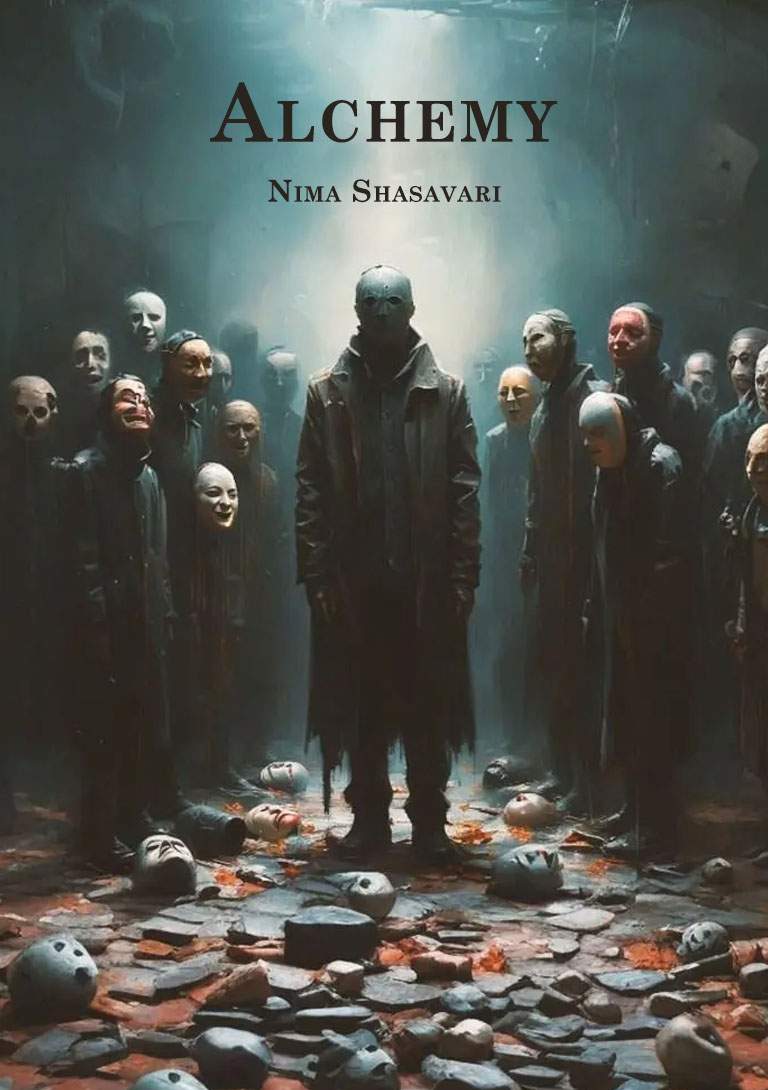
Alchemy | Critique of Master-Slave Theology and Animal Rights

Alchemy stands as a rigorous collection of critical essays that traces the historical roots of all tyranny back to the master-slave dynamic and classical theological paradigms. Moving far beyond superficial social critiques, Nima Shahsavari dismantles the anthropocentric myth of human exceptionalism, arguing that the divine-servant model in Abrahamic religions serves as the foundational blueprint for every oppressive hierarchy in politics, society, and the traditional family unit. True emancipation, the work argues, cannot be achieved through the physical overthrow of external rulers alone, but demands the total eradication of the master-seeking mentality within human consciousness.

Grounded entirely in the philosophy of Janism, this text elevates human rights into an uncompromising manifesto of sentient rights, asserting that the lives of animals and plants possess an intrinsic value equal to that of humanity. By exposing the complicity of spiritual sophistry and institutional power in the subjugation of the living world, Alchemy challenges readers to abandon traditional moralities built on exploitation. Released exclusively as an open-source digital work to preserve the sacred life of trees, the book invites a profound spiritual alchemy: transforming the enslaved mind into a free, self-governing consciousness rooted in radical non-harm and universal peace.

Persian Edition Only
Philosophical Fiction / Social Critique / Critique of Saviorism

The Savior | Critique of Domination Theology

The Savior operates as a profound philosophical dissection of saviorism, passive expectation, and the theology of domination. Nima Shahsavari undertakes a meticulous critique of how political and religious structures exploit transcendental hope to neutralize human agency, effectively transforming waiting into a sophisticated technology of social control. By transferring the responsibility for justice to an indefinite future or a divine entity, systems of power secure present submission and render systemic exploitation invisible.

Through rich allegorical frameworks and rigorous philosophical dialogue, the work challenges the commodification of liberation and the sacred justifications given for structural violence. The narrative establishes that true emancipation cannot be granted by external authority, but must arise from within the awakening of individual consciousness and collective responsibility. Grounded in the foundational principles of Janism, the text positions non-harm, ethical integrity, and absolute reverence for all living beings as the ultimate prerequisites for dismantling institutional tyranny.

Rather than offering comforting dogmatic promises, The Savior demands an immediate reckoning with our engagement in oppressive architectures. It exposes how traditional doctrines often function to pacify rebellion, redirecting transformative potential into symbolic gestures of compliance. By stripping away these metaphysical illusions, the book constructs a comprehensive vision of self-liberation where freedom is understood as an active, living commitment to universal equality and ecological justice.

Ultimately, the text serves as both a radical critique of power and an imperative call for moral autonomy. Shahsavari demonstrates that the true savior is neither an external figure nor a distant promise, but the conscious, organized willpower of individuals choosing to reclaim their agency. The Savior stands as a vital, uncompromising contribution to contemporary philosophical literature, offering a transformative path toward a world liberated from institutional hierarchy.

Persian Edition Only
Philosophical Fiction / Metaphysical Critique / Critique of Absolute Power / Universal Emancipation and Janism

The Judgment of God | Metaphysical Anarchism and Janism

The Judgment of God stands as an audacious philosophical novel that upends traditional theological hierarchies by placing absolute power on trial. Nima Shahsavari constructs a radical narrative where the Creator is summoned before a tribunal of all sentient beings to account for the systemic integration of need, biological compulsion, and suffering into the architecture of existence. This work shifts humanity and the broader living world from the position of the accused to that of the prosecutor, challenging millennia of theological submission and demanding accountability for the pain embedded in the fabric of reality.

At the core of the text is a rigorous critique of biological necessity as the root mechanism of exploitation and violence. Through compelling allegorical archetypes and uncompromising philosophical discourse, the narrative explores how suffering arises not from abstract evil, but from flawed design. Grounded in the principles of Janism, the book advocates for a total transcendence of hierarchical power structures, environmental degradation, and anthropocentrism. It charts a transformative path toward a liberated existence where compassion replaces coercion and absolute equality prevails across all living forms.

Persian Edition Only
Philosophical Literature / Critical Essay / Critique of Sacred Power

Damhamhism | Genealogy of Prophetic Power and Janism

Damhamhism stands as an uncompromising philosophical investigation into the genealogy of sacred authority, dissecting the psychological and structural evolution of prophetic power into oppressive state apparatuses. Nima Shahsavari traces the trajectory through which subjective inner experiences, nurtured in isolation, fuse with social discontent to consolidate bloodstained empires and rigid legalistic dogmas. The text interrogates how absolute faith is weaponized to strip individuals of moral agency, transforming initial promises of liberation into totalizing systems of control.

By analyzing the archetypes of charismatic leadership and sheep-shepherd dynamics, the work illuminates the tragic cycles of violent authority where revolutionary movements solidify into new oligarchies. Grounded in the foundational ethics of Janism, Damhamhism counters the violence of religious imperialism with a radical insistence on non-harm, universal equality, and the inherent sanctity of all living forms. It serves as an essential, rigorous critique of theocratic legitimacy and an imperative call to dismantle institutional hierarchies in favor of rational self-determination.

Persian Edition Only
Philosophical Literature / Political Critique / Deconstruction of Absolute Power / Janism and Universal Equality

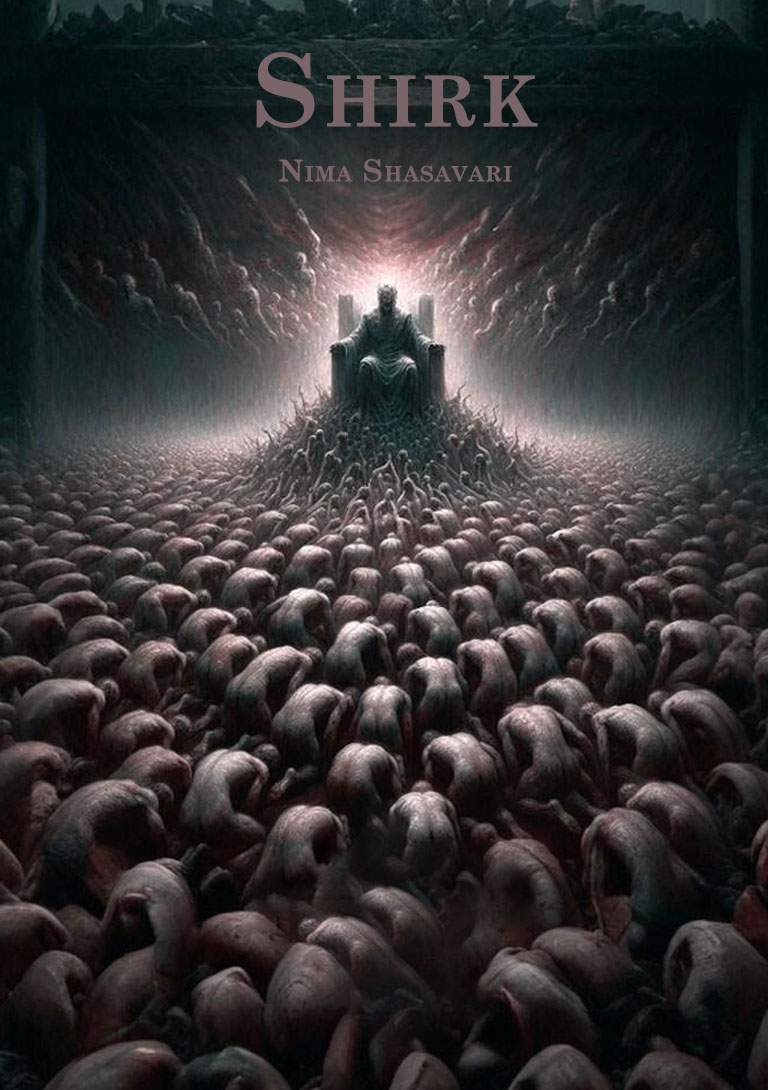
Shirk | Deconstruction of Power, Radical Critique of Monism, and Janism

Shirk stands as Nima Shahsavari’s revolutionary manifesto dedicated to terminating the era of human dominion over human life. Through a profound deconstruction of the concept of absolute unity, the work argues that the concentration of power in any form inherently breeds madness, tyranny, and exploitation. By reclaiming and redefining the traditional term shirk to mean the radical sharing and decentralization of power, the text positions the fragmentation of authority as the sole pathway to liberation and universal equality among all living beings.

Rooted deeply in the philosophy of Janism, the narrative challenges the anthropocentric myth that grants humanity sovereignty over the natural world. It exposes how centralized authority acts as a predatory force, driving individuals toward the madness of possession and hierarchical dominance. Refusing physical print publication to protect ecological life, the book itself embodies its ethical mandate, offering a free, digital, open-access pathway toward a world governed by mutual responsibility and the sacred equality of all breath.

Persian Edition Only

II.Subversion of Tradition, Social Mores, and the Anatomy of Imposed Dogmas

Philosophical Literature / Critical Dialogue / Ethics of Non-Harm / Janism and Universal Emancipation

Dialogue | Critique of Violence Theology and Absolute Equality of Life

Dialogue stands as Nima Shahsavari’s revolutionary philosophical manifesto dedicated to transitioning humanity from the religion of power to the ethics of life. Through a compelling dialectical debate between the characters Dia and Log, the work deconstructs anthropocentrism, exposing how sacred concepts have historically been weaponized to justify systemic violence and subjugation. The text establishes a single, uncompromising moral law: the absolute prohibition of harm toward all living beings.

Grounded deeply in the philosophy of Janism, the narrative challenges the artificial boundaries of race, religion, and species that legitimize cruelty. It argues that true ethics begins with recognizing the suffering of the other, whether human or non-human. Rejecting physical print publishing to prevent ecological destruction, the book embodies its core moral imperative through a free, digital, and open-access distribution model that ensures truth is never bought at the expense of nature.

Persian Edition Only
Philosophical Fiction / Short Story Collection / Critique of Retribution / Janism and Trans-Religious Conscience

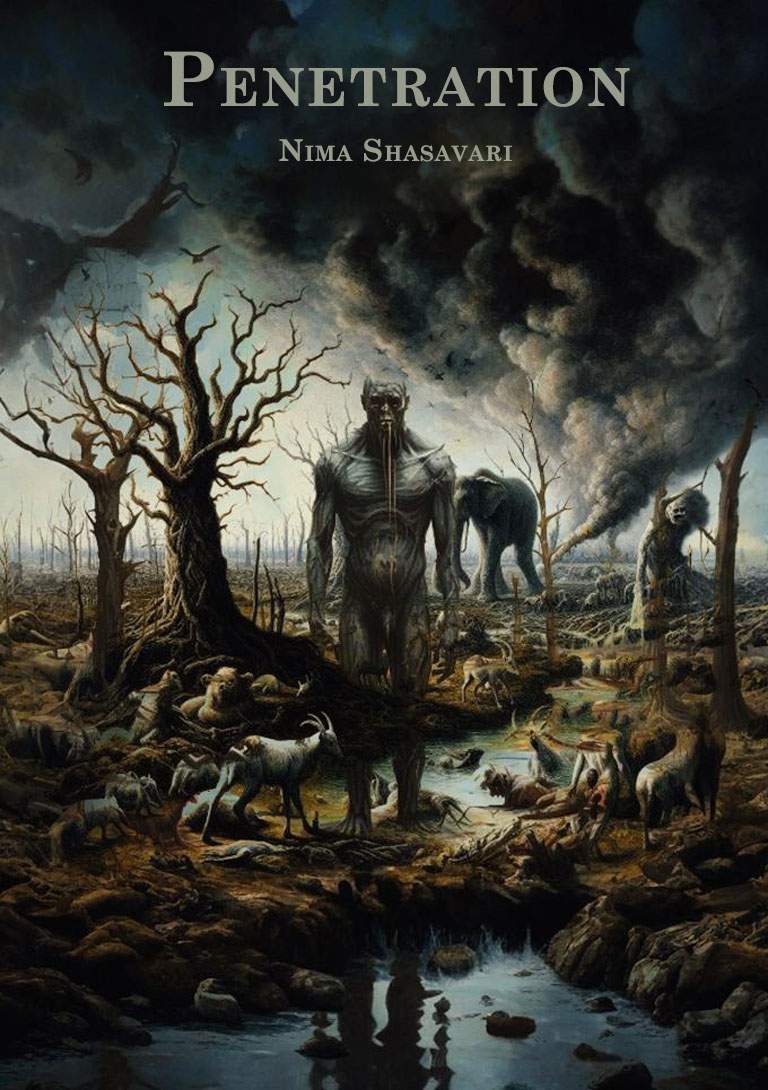
Penetration | Trauma Anatomy and Janism Ethics

Penetration stands as a powerful collection of 18 short stories by Nima Shahsavari, meticulously dissecting the hidden layers of domestic trauma, institutionalized violence, and religious hypocrisy. Moving beyond theoretical exposition, the work uses narrative storytelling to trace how macro-level political tyranny originates within patriarchal family dynamics and systemic social repression. By challenging long-held doctrines of punitive justice and retaliatory harm, the text illustrates how state-sanctioned retribution merely reproduces the very violence it claims to penalize.

Rooted in the core tenets of Janism, the stories advocate for a trans-religious conscience that transcends speciesist hierarchy and dogma. Through poignant allegories and sharp psychological insights, Shahsavari emphasizes conscious forgiveness and the absolute sanctity of all living entities over legalistic revenge. Distributed exclusively as an open-access digital resource to prevent ecological destruction, Penetration serves as both a literary mirror of human conscience and a revolutionary call for universal non-harm.

Persian Edition Only
Philosophical Fiction / Short Story Collection / Critique of Power Cycles / Janism and Media Hegemony

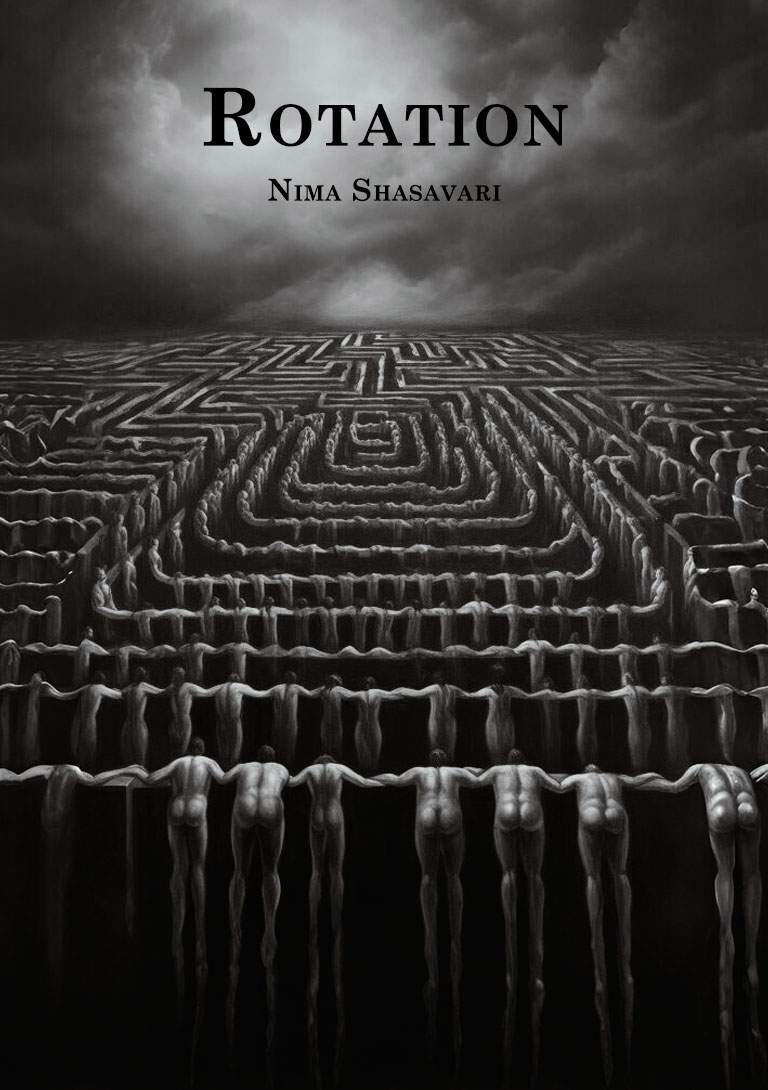
Rotation | Critique of Power Cycles, Media Hegemony, and Janism

Rotation stands as a poignant and analytical collection of short stories by Nima Shahsavari that dissects the futile cycles of political revolution and authoritarian succession. Moving beyond surface-level political changes, the text demonstrates how historical upheavals often merely swap the positions of the oppressor and the oppressed while keeping the foundational architecture of power intact. Shahsavari interrogates the collective habit of seeking new idols, urging a total abandonment of centralized governance in favor of absolute horizontal equality among all living beings.

Spanning narrative landscapes from the alienating realities of exile to the deceptive facades of modern spectacle democracies, the collection exposes how contemporary tyranny operates through soft power, digital propaganda, and media hegemony. Grounded in the core ethics of Janism, Rotation challenges the anthropocentric and hierarchical drives of civilization, offering a radical blueprint for breaking free from historical repetition and establishing a world anchored in mutual respect, non-harm, and the sacred dignity of all life.

Persian Edition Only
Philosophical Fiction / Short Story Collection / Critique of Anthropocentrism / Janism and Universal Non-Harm

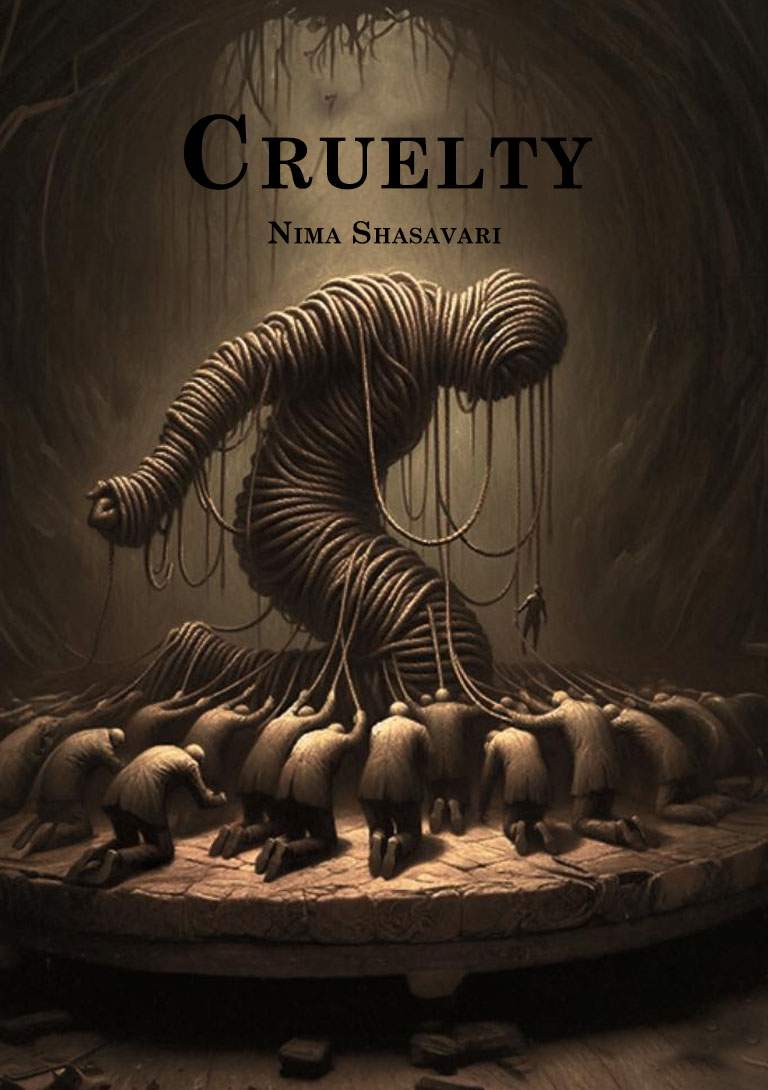
Cruelty | Critique of Anthropocentrism and Janism

Cruelty stands as a gripping collection of 20 short stories by Nima Shahsavari that meticulously delineates the boundary between natural animal instinct and systematic human violence. Through a profound deconstruction of human exceptionalism, the work exposes how civilization has institutionalized harm, converting the infliction of suffering into commercial enterprise and personal pleasure. Shahsavari challenges the myth of human nobility, arguing that systemic exploitation in modern society far exceeds the survival instincts observed in the natural world.

Central to the collection is the concept of life-devouring (Jan-khwari), a framework that critiques not merely dietary violence, but the total consumption of the time, vitality, and autonomy of vulnerable entities. From domestic traumas to spectacle democracies, the stories trace how hierarchical power structures extract the life force of the weak. Grounded in the philosophy of Janism, Cruelty advocates for an absolute commitment to non-harm, biological equality, and ecological reverence, offering an uncompromising manifesto for total liberation.

Persian Edition Only
Philosophical Fiction / Political Novel / Critique of Ideology / Janism and Moral Autonomy

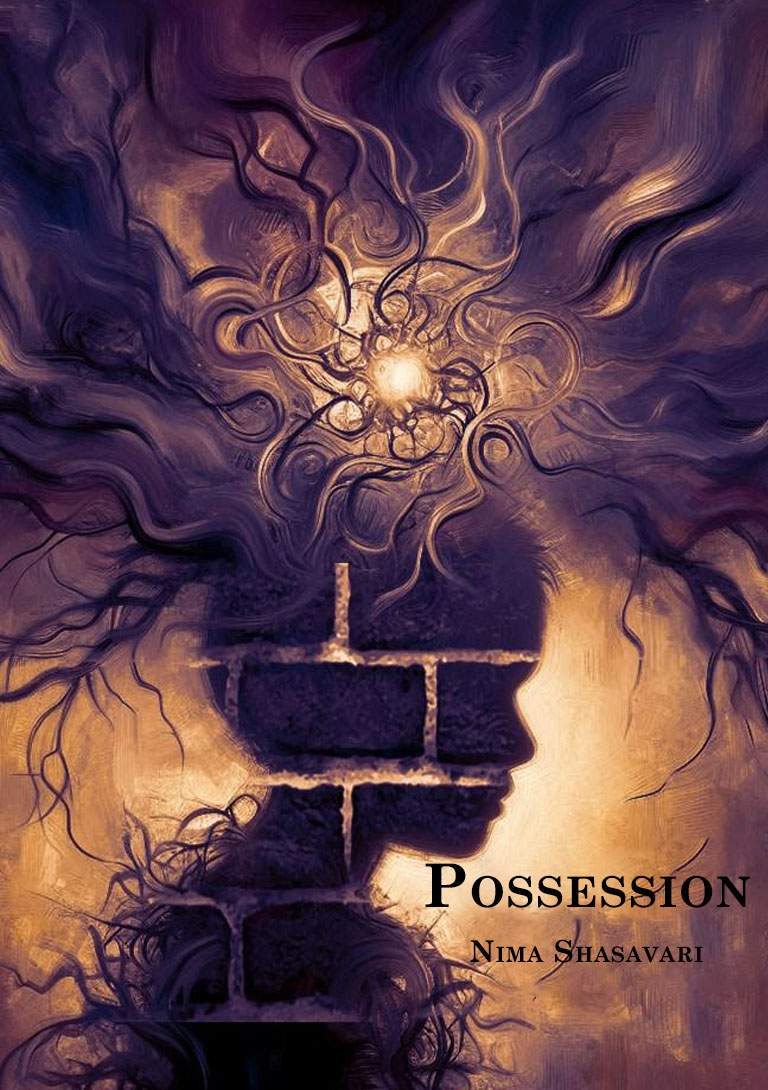
Possession | Critique of Sacred Violence and Janism

Possession stands as a gripping philosophical novel by Nima Shahsavari that dissects the psychological and structural transformation of human beings under totalizing ideologies. The work demonstrates that authoritarian violence is rarely driven by pure malice; rather, it blooms from the absolute certainty of possessing supreme virtue. By claiming divine mandate and absolute purity, ruling elites weaponize systemic persecution, transforming execution and torture into ritualistic acts of societal purification designed to sanitize dissent and enforce total compliance.

Contrasting this mechanics of ideological possession, the narrative tracks the resistance of critical consciousness against dogmatic blind faith. Through poignant character arcs and sharp institutional critiques, the text traces how patriarchal family structures mirror and sustain totalitarian governance. Grounded deeply in the ethics of Janism, Possession rejects metaphysical justifications for harm, advocating for liberating doubt, trans-religious conscience, and the absolute equality of all living breath.

Persian Edition Only
Philosophical Fiction / Critical Literature / Critique of Civilized Violence / Janism and Universal Equality

Cannibal | Critique of Civilized Violence and Janism

Cannibal stands as an uncompromising and explosive philosophical critique by Nima Shahsavari that shatters the polite facades of modern civilization. Through the provocative character of Alex, the work tears down the fragile boundary between civilized dining rituals and raw slaughter, arguing that the pleasure derived from consuming life stems from a shared, unexamined madness. Shahsavari exposes how society uses culinary art, spices, and etiquette merely to disguise the blood and reality of institutionalized violence.

Grounded deeply in the philosophy of Janism, the narrative challenges the arbitrary moral hierarchies that condemn the consumption of humans while commodifying the slaughter of other sentient beings. It unmasks how educational systems and domestic environments normalize biological exploitation from early childhood. Refusing physical print publishing to protect ecological life, Cannibal is distributed exclusively as an open-access digital resource, offering an essential manifesto for dismantling masked savagery and returning to an absolute ethic of non-harm.

Persian Edition Only

III.Ontology of the Body, Gender Emancipation, and Anti-Speciesist Corporeality

Philosophical Critique / Critical Literature / Critique of the Economy of Shame / Intrinsic Value of Life and Body

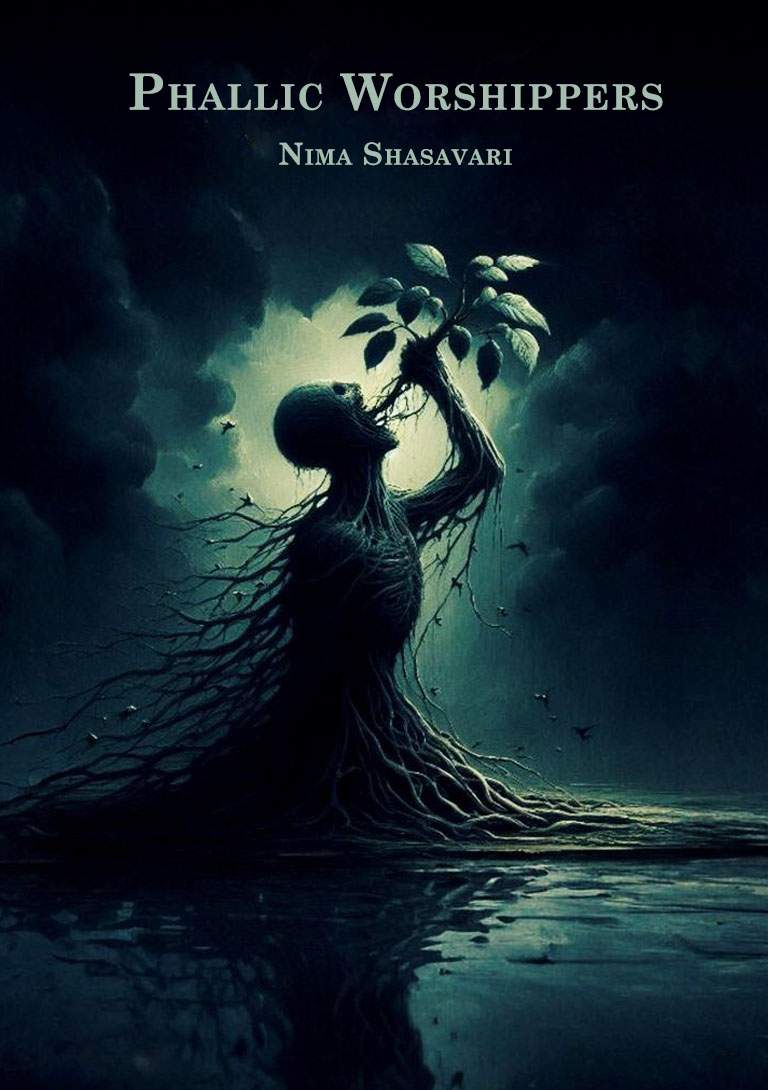
Phallic Worshippers | Genealogy of Shame and Liberation of Life

Phallic Worshippers delivers a fearless surgical critique of a society that reduces the transcendent human identity to biological and sexual anatomy. Through a radical examination of the economy of shame and domestic taboos, Nima Shahsavari exposes how institutionalized guilt transforms civilization into a graveyard of frozen souls. The work challenges the systems of control that weaponize the human body, urging readers to tear away traditional shrouds and return to the sacred essence of life, where the physical form is viewed not as a source of disgrace, but as an expression of love and ontological connection.

Grounded in the philosophy of Janism, the book dismantles the structures of ownership, power, and anthropocentric arrogance that treat living beings as commodities. By tracing the genealogy of shame from domestic surveillance to societal dogma, Phallic Worshippers offers a profound roadmap toward the resurrection of the soul. It stands as a definitive manifesto for a generation seeking liberation from perpetual guilt, championing a reality where every living being is met with uncompromised reverence and freedom.

Persian Edition Only
Philosophical Speculation / Dystopian Critique / Commodification of Life / Critique of Industrial Reproduction and Power

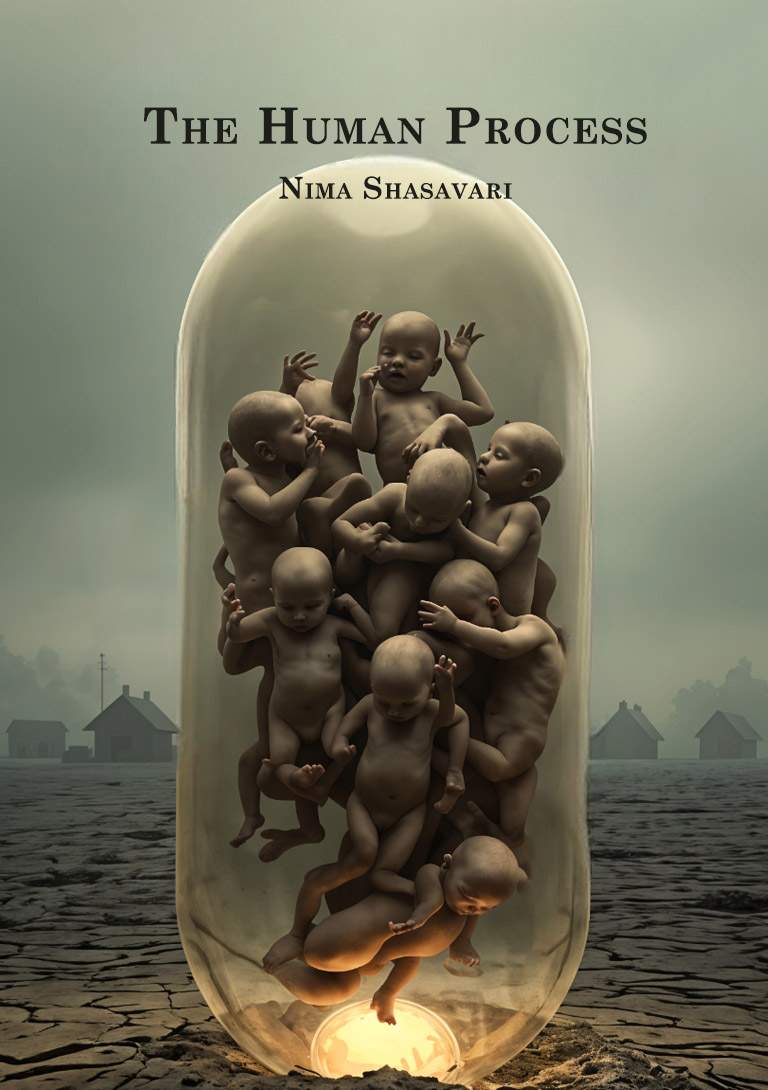
The Human Process | Critique of Industrial Birth and Janism

The Human Process delivers a stunning and harrowing exploration of a future where life itself is reduced to an industrial crop. Through the chilling depiction of birth plains and artificial life capsules, Nima Shahsavari exposes how totalitarian systems commodify biological reproduction, transforming human existence into a mechanism of obedience and utility. This work challenges the relentless march of mechanized order, urging readers to look beyond biological manufacturing and reclaim the authentic emotional bonds that unite conscious beings.

Rooted in the philosophy of Janism, the book wages a fierce critique against anthropocentric hubris and the total exploitation of nature. By examining the grim realities of the global womb and the systemic subjugation of life, The Human Process serves as an urgent manifesto. It calls for an awakening from the machinery of mass production, demanding a return to an ethics of unconditional love, compassion, and absolute reverence for all living souls.

Persian Edition Only
Critical Literature / Philosophical Prose / Critique of Modernity / Intrinsic Value of Life

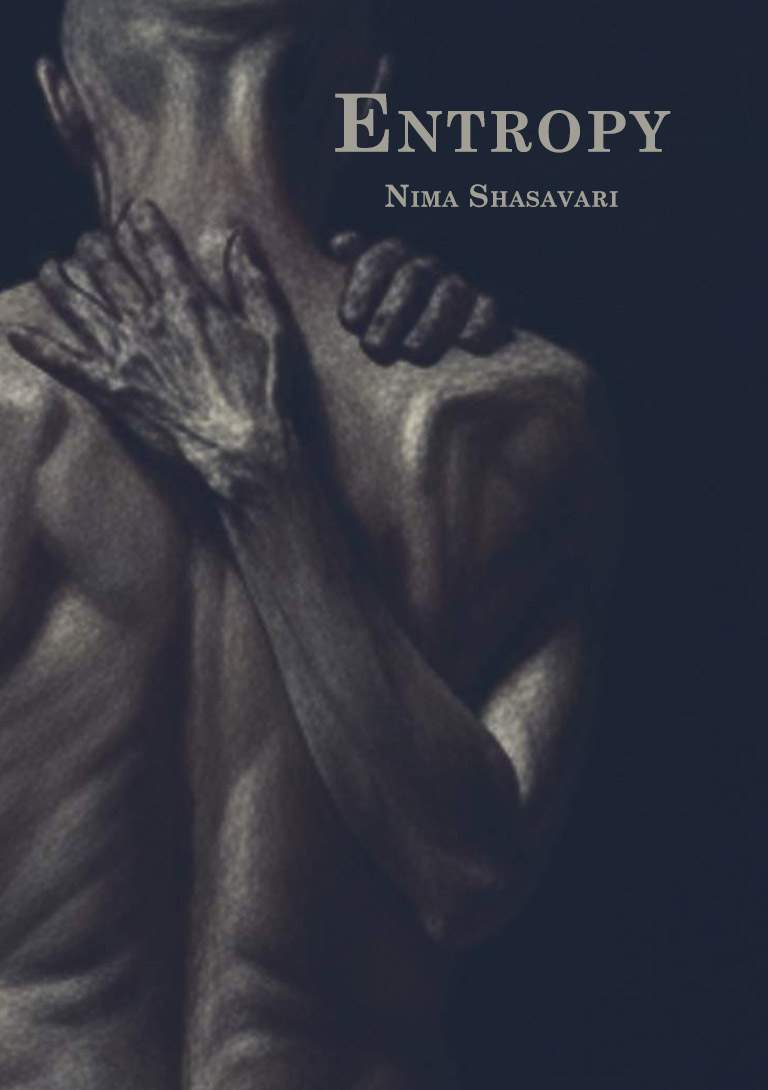
Entropy | Critique of Modernity, Ascetic Tyranny, and Janism

Entropy presents a radical double-edged critique of historical extremes: the repressive tyranny of traditional asceticism and the consumerist decadence of modern hedonism. Through a rigorous examination of society's historical transition from institutional suppression to hyper-commercialized desire, Nima Shahsavari exposes how both paradigms reduce the living body to a commodity and sacrifice authentic compassion. The work reveals how authority evolves across eras, exchanging religious coercion for commercialized exploitation, while keeping the fundamental essence of life trapped within systems of domination.

Grounded in the philosophy of Janism, the book champions a organic awakening of the collective social entity and a return to genuine equilibrium. By rejecting both traditional repression and modern commodification, Entropy articulates a visionary path toward radical equality and non-harm. It stands as an urgent manifesto for a world where ethics flow as naturally as breathing, inviting readers to transcend false binary choices and cultivate an existence rooted in uncompromised reverence for all living beings.

Persian Edition Only

IV.Critique of Totalitarian Institutions, Power Aggregation, and State Machines

Critical Literature / Allegorical Narrative / Historical Trauma / Intrinsic Value of Life

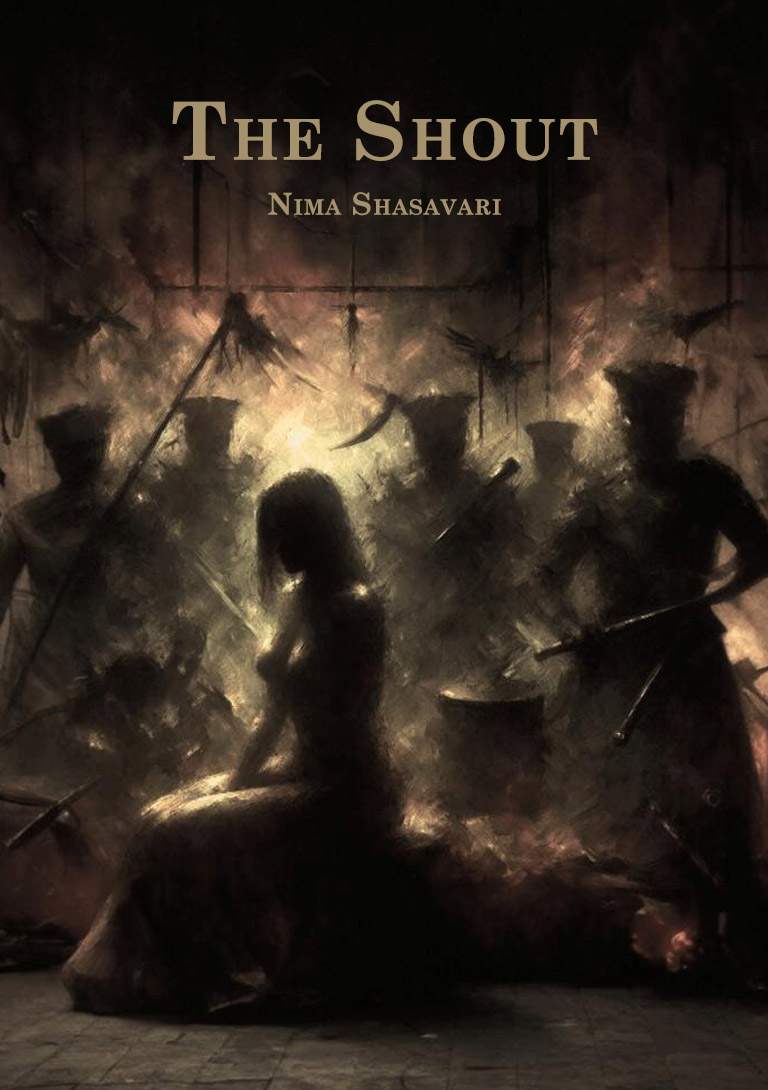
The Shout | Historical Trauma and the Philosophy of Janism

The Shout stands as a poignant and unsparing narrative within Nima Shahsavari’s philosophical and literary works, confronting the harrowing awakening of an individual living in comfortable exile who is forced to face the raw, uncovered suffering of his homeland. Moving between the quiet affluence of Germany and the deep historical scars of state violence, the novel illustrates how true consciousness is an irreversible journey. By linking past historical tragedies to present-day activism, the text delivers an unyielding call against systemic amnesia, arguing that silence in the face of tyranny and exploitation is itself a form of complicity and servitude.

Rooted in the overarching philosophy of Janism, the work explores how true liberation demands the shattering of comfortable illusions and the embrace of radical solidarity with all living beings. Through the symbolic resonance of archetypes representing unyielding truth and resilience, the narrative weaves historical trauma into a living manifesto for action. It is an indispensable reading for those seeking a profound exploration of memory, historical responsibility, and an ethical commitment to non-harm and universal equality.

Persian Edition Only
Dystopian Critique / Philosophical Prose / Genealogy of Sedation / Critique of Power Structures

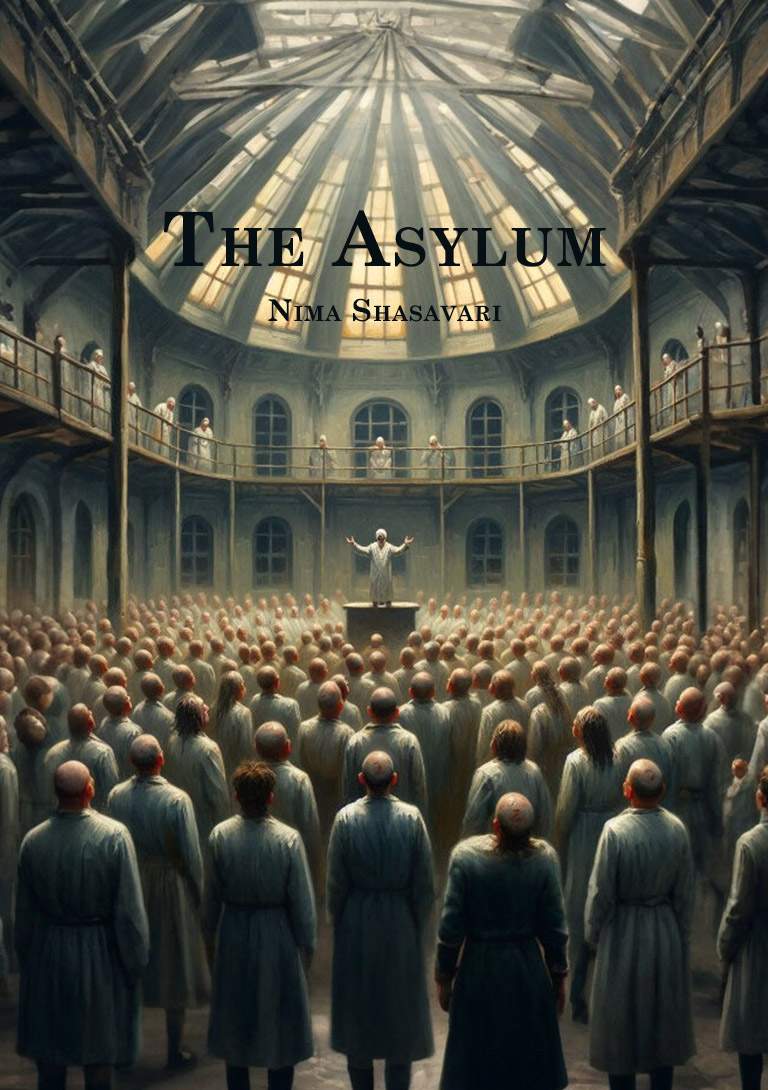
The Asylum | Genealogy of Sedation and the Philosophy of Janism

The Asylum stands as a striking and profound work within the literary universe of Nima Shahsavari, depicting a dystopian civilization where awareness is treated as a crime and institutionalized sedation is enforced as the highest virtue. Through the introduction of the conceptual narcotic Teslapam, the narrative exposes how modern authoritarian regimes utilize fear, pharmaceuticals, and manufactured external threats to construct a sophisticated form of imprisonment disguised as security. The work charts an intellectual journey from the solitary confinement of the mind to the shattering of concrete walls, demonstrating that true emancipation does not begin with physical rebellion, but with the conscious refusal of spiritual and mental petrification.

Rooted deeply in the philosophy of Janism, the text serves as a fierce critique of anthropocentrism, power structures, and the commodification of life. It dismantles the sacred myths of governance and the mechanisms of state control, urging readers to reclaim their memories, awaken from systemic coma, and establish a horizontal solidarity with all living entities. It is an essential reading for those seeking a rigorous philosophical framework that places uncompromised freedom, radical equality, andليو the sanctity of the living soul at the center of existence.

Persian Edition Only
Critical Literature / Philosophical Prose / Critique of Tyranny / Intrinsic Value of Life

The Burnt City | Philosophy of Janism and Critique of Tyranny

The Burnt City stands as an uncompromising and revelatory philosophical text by Nima Shahsavari, presenting a harrowing diagnosis of societies living under systemic tyranny. Rather than identifying physical devastation as the ultimate tragedy of authoritarian rule, the work exposes the quiet, internal destruction of collective thought—the transformation of living populations into passive ashes who praise their subjugators and normalize state violence. Through dense prose and penetrating analysis, the text dismantles the illusions of false liberty granted by power structures, arguing that true freedom is impossible without absolute, unyielding equality among all living beings.

Rooted firmly in the philosophy of Janism, the narrative challenges the awakened individual to break free from traditional, institutional, and ideological bonds that compel obedience to earthly idols. It frames emancipation not as a mere political concession, but as a profound existential rebellion that begins with the refusal to participate in harm. It is an essential reading for scholars, philosophers, and independent thinkers who seek a rigorous framework to transcend the ruins of dogmatic tyranny and establish a worldview anchored in peace, radical non-harm, and the sanctity of all life.

Persian Edition Only
Geopolitics Critique / Philosophical Prose / Deconstruction of Ownership / Intrinsic Value of Life

Jahangir | Critique of Ownership and Philosophy of Janism

Jahangir stands as a radical geopolitical and philosophical treatise by Nima Shahsavari, presenting an uncompromising autopsy of humanity's obsession with global dominance and the catastrophic trajectories of material civilization. Deconstructing the concept of ownership, the work exposes how the relentless competition among ruling dynasties for absolute power has transformed the living Earth into a sterile, stone settlement stripped of its sacred vital force. Through dense philosophical prose, the text challenges the illusion that security and peace can be achieved through armed force, calling instead for total disarmament, the abolition of national borders, and the replacement of sovereign tyrants with decentralized, specialized administration.

Rooted deeply in the tenets of Janism, the narrative urges an existential shift away from the cancerous drive to possess, control, and commodify nature. It confronts the deceptive rhetoric of modern human rights doctrines that serve merely to coat systemic slavery in legalistic terminology. Jahangir is an indispensable reading for philosophers, scholars, and critical thinkers who seek to transcend the artificial boundaries of modern nation-states and embrace a universal ethos centered on radical non-harm, ecological harmony, and the intrinsic equality of all living souls.

Persian Edition Only
Philosophical Prose / Critical Literature / Deconstruction of Identity / Intrinsic Value of Life

Endesas | Critique of Humanization and the Philosophy of Janism

Endesas stands as a radical and uncompromising philosophical work by Nima Shahsavari, casting civilization not as a sanctuary of progress, but as a colossal factory designed for the systematic mutilation and domestication of living existence. Deconstructing the journey from free consciousness to manufactured identity, the work introduces a rigorous anatomy of institutional conditioning, exposing how family, education, religion, and economic structures collaborate to slaughter the untamed soul in order to produce a compliant, commodified human product. Through piercing prose, the text challenges the reader to look past the comforting illusions of socialization and recognize that to be fully human within the current system is to be successfully alienated from the truth of existence.

Rooted deeply in the philosophy of Janism, the narrative urges a total rebellion against the machinery of identity and control. It calls for an absolute dismantling of the artificial layers that bind living souls to the service of power structures and markets. Endesas is an indispensable text for independent thinkers, philosophers, and seekers of truth who seek to escape the assembly line of modern civilization and reclaim an unconditioned existence anchored in radical freedom, non-harm, and the sacred integrity of all life.

Persian Edition Only

V.Societal Stratification, Class Structures, and the Politics of Domination

Critical Literature / Philosophical Prose / Critique of Exploitation / Intrinsic Value of Life

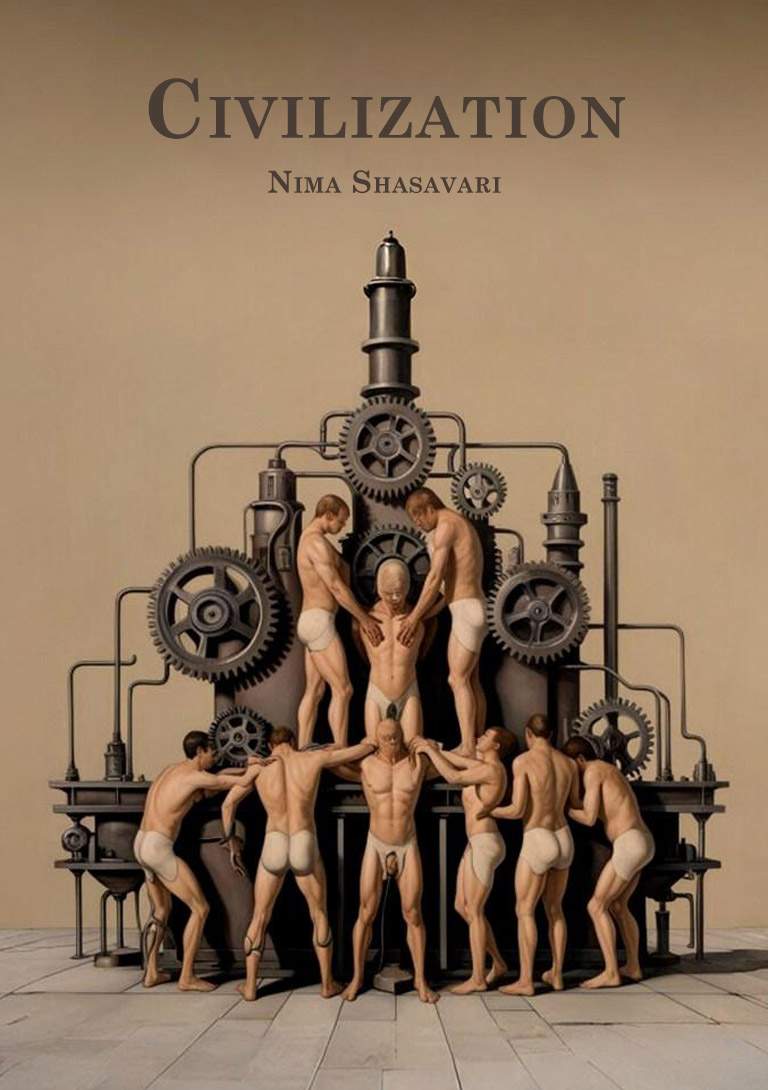
Civilization | Critique of Exploitation and the Philosophy of Janism

Civilization stands as an uncompromising and revelatory philosophical work by Nima Shahsavari, stripping away the romanticized illusions of human progress to expose the brutal, underlying machinery of institutional exploitation. Rather than viewing civilization as an ethical triumph, the text depicts it as a five-tiered architectural monster that sacrifices the health, vitality, and freedom of the vulnerable to maintain the hollow splendor of the ruling owners. Through rigorous analytical prose, the work challenges the normalization of institutionalized parasitism, urging readers to sever their ties with the destructive tracks of capital and transform from passive cogs into conscious rebels against systemic tyranny.

Rooted deeply in the philosophy of Janism, the narrative exposes the core mechanisms through which power structures commodify breath and reduce sentient existence to fuel for the state. It demands an absolute break from hierarchical classifications and false theological justifications of poverty. Civilization is an essential text for independent thinkers, philosophers, and seekers of truth who wish to look beyond the glittering facade of modernity and commit to a universal worldview centered on radical equality, non-harm, and the uncompromised liberation of all living souls.

Persian Edition Only
Critical Literature / Philosophical Prose / Critique of the War Industry / Intrinsic Value of Life

Weapon, Virtue, Peace | Critique of the War Industry and Janism

Weapon, Virtue, Peace stands as an unsparing and piercing philosophical dissection by Nima Shahsavari, confronting the grim paradox of a modern civilization where peace is manufactured strictly as a commodity to drive the continuous sale of armaments. Tracing the daily degradation of laborers and guards who unwittingly forge the instruments of their own destruction, the work exposes how ruling classes exploit economic destitution to perpetuate global conflict. Through sharp critical prose, the text strips away the sanitized rhetoric of security and patriotism, revealing how institutionalized charity and manufactured consent serve to pacify the oppressed while securing the supremacy of the elite.

Rooted firmly in the philosophy of Janism, the narrative challenges the passive acceptance of authority and the toxic normalization of structural violence. It rejects the ancient lie that peace requires the perpetual preparation for war, urging an awakened refusal to participate in systemic harm. Weapon, Virtue, Peace is an essential work for independent thinkers, philosophers, and scholars who seek to look past the illusions of the military-industrial complex and embrace a universal ethos centered on radical equality, non-harm, and the sanctity of all living existence.

Persian Edition Only
Critical Literature / Philosophical Prose / Critique of Economic Systems / Intrinsic Value of Life

Tomocracy | Philosophy of Janism and Critique of Capitalism

Tomocracy stands as an unsparing and revolutionary philosophical work within the body of Nima Shahsavari’s writings, presenting a radical critique of the economic and political foundations governing the modern world. Exposing the underlying identity between free-market capitalism and state-controlled communism, the text demonstrates how both paradigms operate as twin engines of human and ecological exploitation. Through the conceptual metaphor of an engineered casino, the work dismantles the illusion of equal opportunity, revealing how modern political structures mask an unjust game designed to funnel wealth into the hands of a sovereign elite while reducing sentient existence to disposable fuel.

Rooted deeply in the tenets of Janism, the narrative urges an absolute break from ownership-based economic systems and competitive social models. It advocates for the transformation of production from a mechanism of capital accumulation into a collaborative space for artistic expression, mutual aid, and ecological harmony. Tomocracy is an essential reading for scholars, philosophers, and critical thinkers who seek to transcend traditional political dogmas and commit to a universal ethos centered on radical non-harm, horizontal equality, and the uncompromised vitality of all living souls.

Persian Edition Only

VI.Media Manipulation, Technocratic Modernity, and Alienated Consciousness

Dystopian Critique / Philosophical Prose / Critique of Media / Intrinsic Value of Life

The Swamp | Critique of Media and Philosophy of Janism

The Swamp stands as a haunting and unsparing philosophical novel by Nima Shahsavari, presenting a harrowing diagnosis of a society trapped in the paralysis of routine and total reliance on state-manufactured narratives. Depicting a frozen civilization where critical thought is systematically extinguished by the hypnotic pull of state media, the work exposes how ruling authorities construct imaginary enemies to deflect accountability and normalize systemic oppression. Through dense prose and penetrating analysis, the text dismantles the comfortable illusions of compliance, demonstrating how repetitive, aimless living acts as a psychological prison that numbs the collective desire for genuine liberation.

Rooted deeply in the tenets of Janism, the narrative points toward the restorative power of imagination, conscious refusal, and generational awakening. It frames emancipation not as a violent clash with power structures, but as a mental rebirth that begins when individuals cut themselves off from official propaganda and embrace radical non-harm. The Swamp is an indispensable reading for philosophers, scholars, and critical thinkers who seek to transcend the stagnation of modern media conditioning and commit to a universal ethos centered on truth, ecological integrity, and the uncompromised dignity of all living entities.

Persian Edition Only
Philosophical Prose / Critical Literature / Critique of Anthropocentrism / Digital Servitude

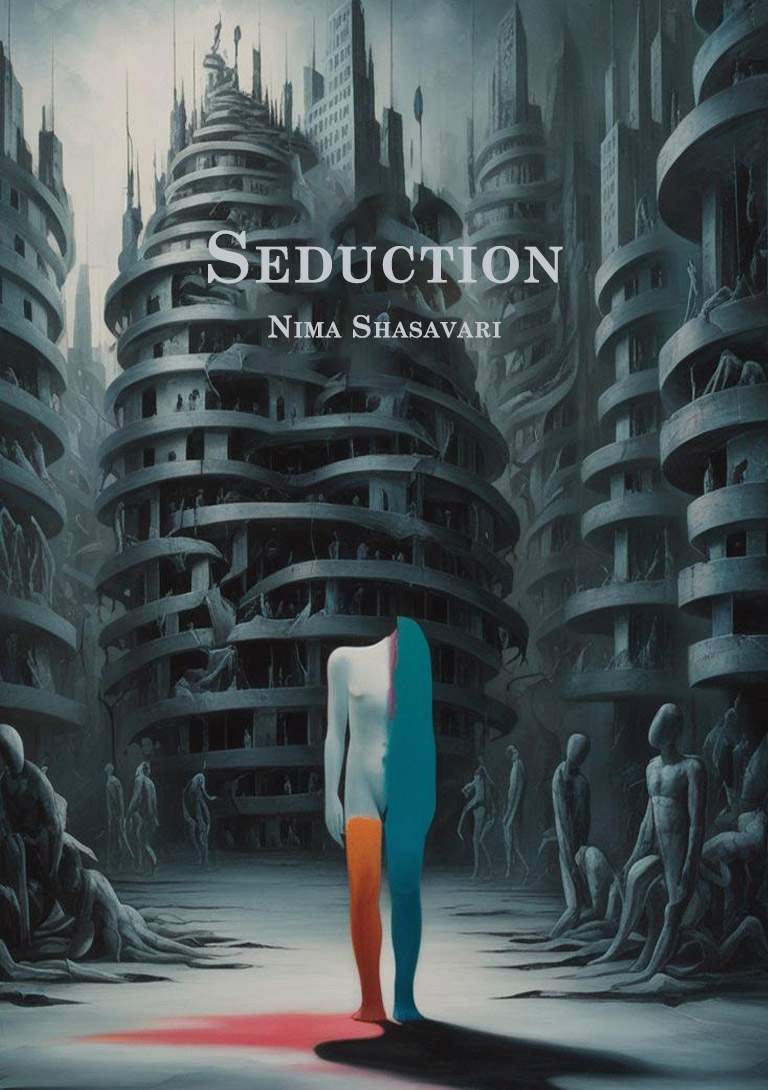
Seduction: The Genealogy of Soft Tyranny

Seduction presents an uncompromising critique of modern power, shifting away from overt physical coercion toward the subtle governance of pleasure and consumption. Nima Shahsavari dissects how the technological age has institutionalized voluntary servitude, trapping the instrument-making animal within a luminous cage of digital isolation. Through a rigorous philosophical lens grounded in Janism, the work exposes how systemic entertainment and hyper-individualism paralyze critical thought, reducing sentient beings to mere commodities.

Beyond diagnostic deconstruction, the text serves as a manifesto for radical awakening. It challenges the foundations of representative democracy and commodity fetishism, urging a deliberate return to the sacredness of life and the unmediated unity of all living beings. Breaking free from the anesthetic glow of contemporary civilization requires dismantling the idols of consumption and reclaiming our primal essence.

Persian Edition Only
Philosophical Prose / Critical Literature / Critique of Systemic Exploitation / Civilization's Decay

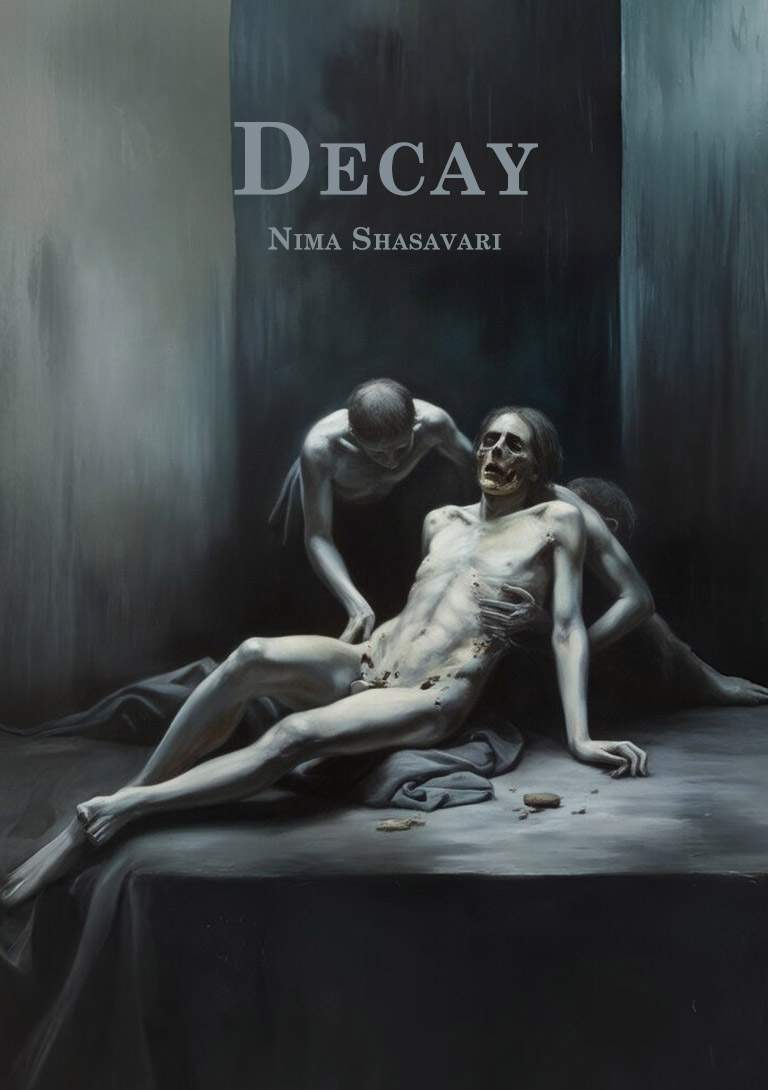
Decay: Genealogy of Civilization's Decay and Soft Tyranny

Decay provides an unsparing philosophical dissection of a society crumbling beneath the glittering facade of consumerism, media spectacle, and artificial security. The text exposes how modern civilization sustains its opulence through the unseen agony of the marginalized and the systematic extraction of life itself. Through vivid allegories such as the magical elixir—a metaphor for luxury derived from suffering—the work demystifies how complicity is normalized under the guise of progress, obedience, and structural coercion.

Rooted in the unyielding ethics of Janism, the work challenges the competitive meritocracy that conditions individuals to step over one another in an endless corridor of conformity. By rejecting physical paper publication to preserve nature, the text transforms itself into an active manifesto. Decay calls for a radical awakening from systemic anesthesia, demanding the restoration of dignity, equality, and sacred reverence for all living beings.

Persian Edition Only
Dystopian Critique / Philosophical Prose / Anti-Anthropocentrism / Radical Ethics

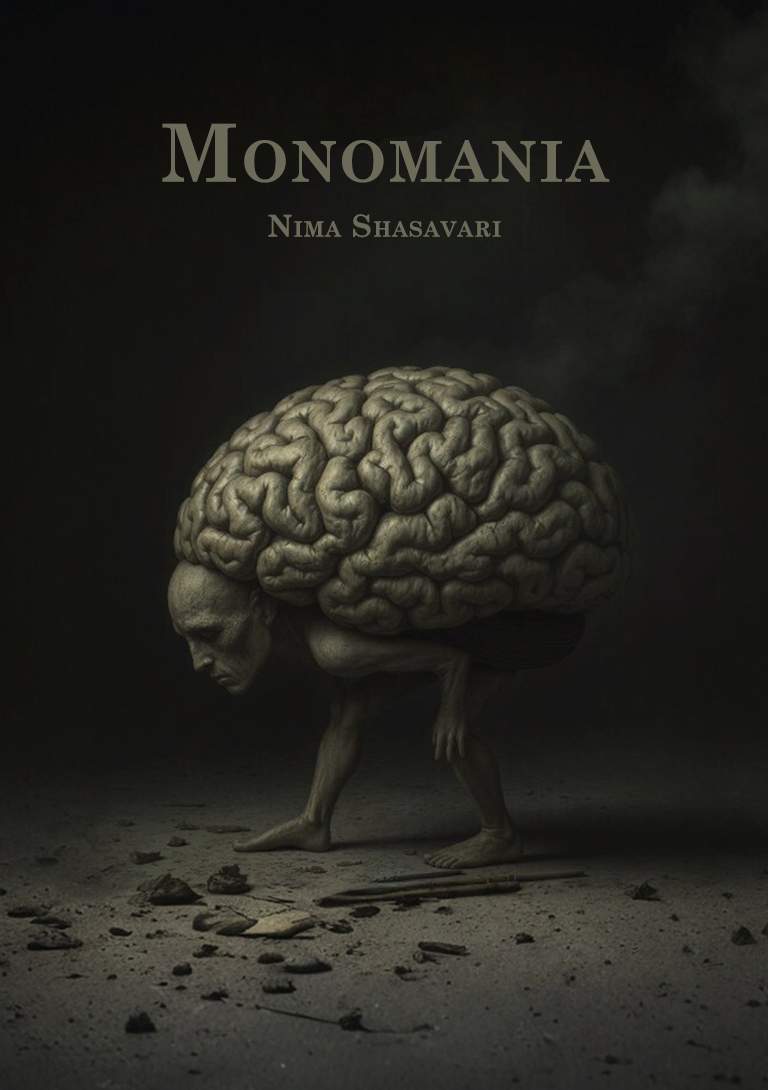
Monomania: A Radical Critique of Rationalist Humanism and Intelligence Tyranny

Monomania presents an uncompromising philosophical critique of a world governed by hyper-rationalism and the absolute supremacy of intellect. The work envisions a dystopian order where cold logic and intelligence quotients dictate the inherent value of life, systematically stripping empathy and moral consideration from human existence. Through the critique of hyper-rational elites known as Hubajs, the text exposes how deifying cognitive efficiency converts living beings into disposable commodities and justifies structural exploitation.

Grounded in the core philosophy of Janism, the narrative dismantles the arrogance of instrumental reason and warns against the inevitable collapse of a civilization that divorces consciousness from compassion. By refraining from paper printing to protect ecosystems, the work aligns its medium with its message. Monomania serves as an urgent manifesto demanding the rejection of intellectual hierarchies and advocating for the absolute, sacred equality of all living consciousness.

Persian Edition Only

VII.The Deconstruction of Nationalist Identity, Borders, and Forced Homeland

Philosophical Prose / Critical Literature / Critique of Nationalism / Borderless Liberation

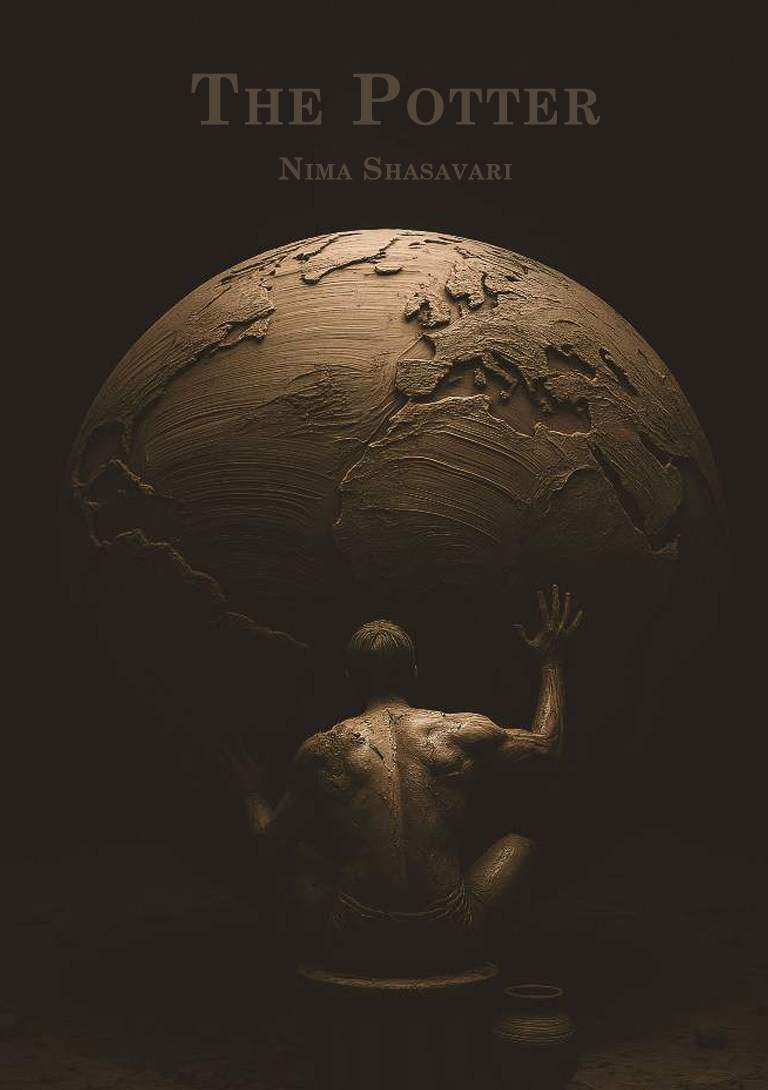
The Potter: Deconstruction of Paper Identity and the Manifesto of Janist Homeland

The Potter presents an uncompromising philosophical deconstruction of artificial borders, state-issued documentation, and the coercive grip of nationalist identity. The work exposes how passports and identification papers function not as markers of individuality, but as rectangles of bondage that reduce living beings to managed inventory in the machinery of the state. Through a rigorous critique of geographic determinism, the text challenges the foundational premise that human dignity is derived from territory or political affiliation.

Grounded in the unyielding ethics of Janism, the narrative urges an emancipation from paper identities in favor of an unmapped, borderless belonging. By rejecting physical paper publication to protect natural ecosystems, the work translates its philosophical tenets into material reality. The Potter stands as a vital manifesto for breaking free from state enclosures and building an inclusive sanctuary grounded in the sacred unity of all living entities.

Persian Edition Only
Philosophical Prose / Critical Literature / Critique of Nationalism / Borderless Liberation

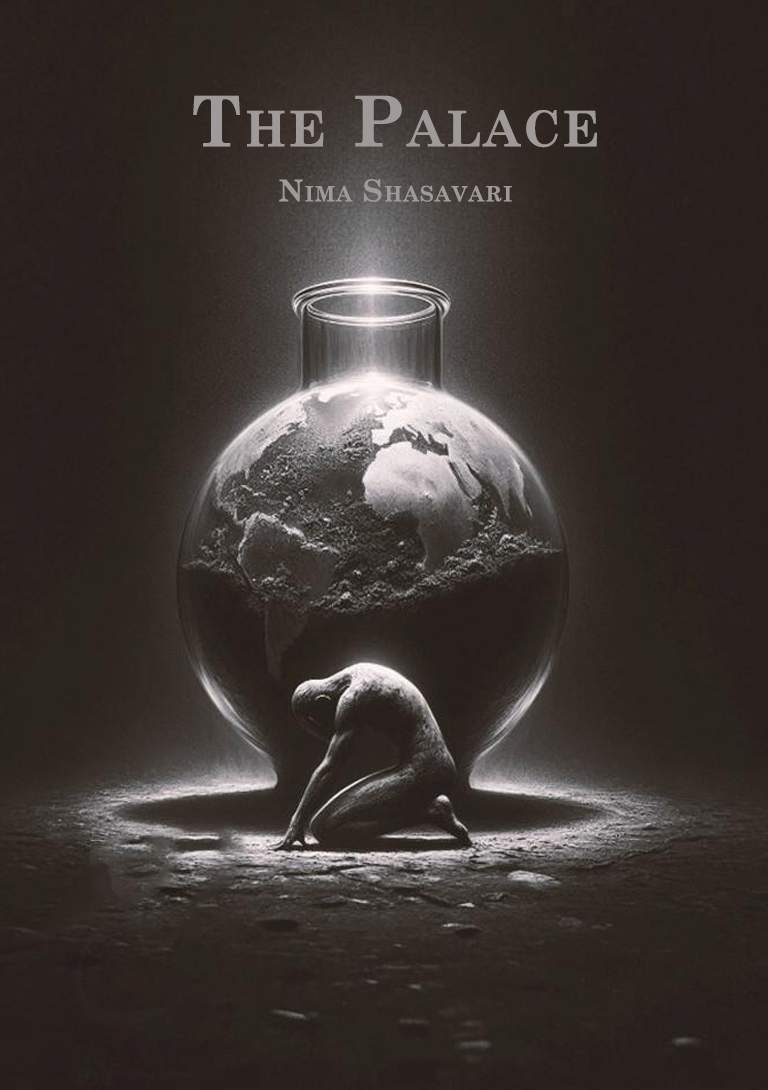
The Palace: Radical Critique of Nationalism and the Manifesto of Janist Equality

The Palace presents an unsparing philosophical critique of nationalism, sacred geography, and the political weaponization of homeland. The work exposes how ruling elites construct borders to manipulate the masses into slaughtering their fellow living beings for the preservation of institutional power. Through the narrative arc of resistance and exile, the text challenges the myth of nationalist exceptionalism and the structural exploitation that burdens the working masses to maintain the splendor of elite palaces.

Rooted in the unyielding ethics of Janism, the narrative champions absolute equality and loyalty to living consciousness rather than politicized soil. By refusing physical paper publication to protect natural ecosystems, the text bridges its moral philosophy with material consistency. The Palace stands as a powerful manifesto for dismantling mental and physical borders, offering a vision of a world united in compassion, awareness, and universal reverence for life.

Persian Edition Only

VIII.The Ethics of Radical Action, Absolute Justice, and Decentralized Power

Philosophical Prose / Critical Literature / Critique of Dogma / Borderless Liberation

The Dream: Deconstruction of Hereditary Dogma and the Manifesto of Belief Homeland

The Dream presents an uncompromising philosophical deconstruction of hereditary belief systems, tool-driven civilization, and the arbitrary boundaries of geographic nationalism. The work challenges the imposition of dogmas upon unformed minds, arguing that true consciousness requires the radical right of individuals to choose their own intellectual and spiritual paths in adulthood. By dismantling the structures of inherited authority, the text envisions a paradigm shift from physical territory to a borderless community united by shared awareness and mutual respect.

Rooted in the unyielding ethics of Janism, the narrative champions the absolute sanctity of all living beings and the total abolition of harm. By refusing physical paper publication to preserve natural ecosystems, the work bridges its philosophical ideals with material consistency. The Dream serves as a vital manifesto for breaking free from engineered illusions and building a world grounded in compassion, freedom, and universal equality.

Persian Edition Only
Philosophical Prose / Critical Literature / Generational Rebellion / Liberation from Dogma

Tahmineh: Generational Awakening Manifesto and the Liberation from Tradition

Tahmineh delivers a bold philosophical exploration of individual rebellion against historical trauma, ideological dead-ends, and inherited traditions. The narrative chronicles how the new generation must step out from the heavy shadow of the past to rewrite history through awareness and the uncompromising law of non-harm. By dismantling official narratives and confronting systemic inequalities, the work challenges readers to reclaim their stolen identity from modern golden yokes and false dogmas.

Rooted in the unyielding ethics of Janism, the text serves as a vital manifesto for breaking free from engineered compliance and establishing an awakened existence. To preserve natural ecosystems and honor its core philosophy, the book is published exclusively as an open-access digital text, rejecting physical paper production. Tahmineh calls for a radical awakening, urging humanity to build a new foundation of love, equality, and universal reverence for all living consciousness.

Persian Edition Only
Philosophical Manifesto / Allegorical Narrative / Critique of Anthropocentrism / Liberation of the Living Soul

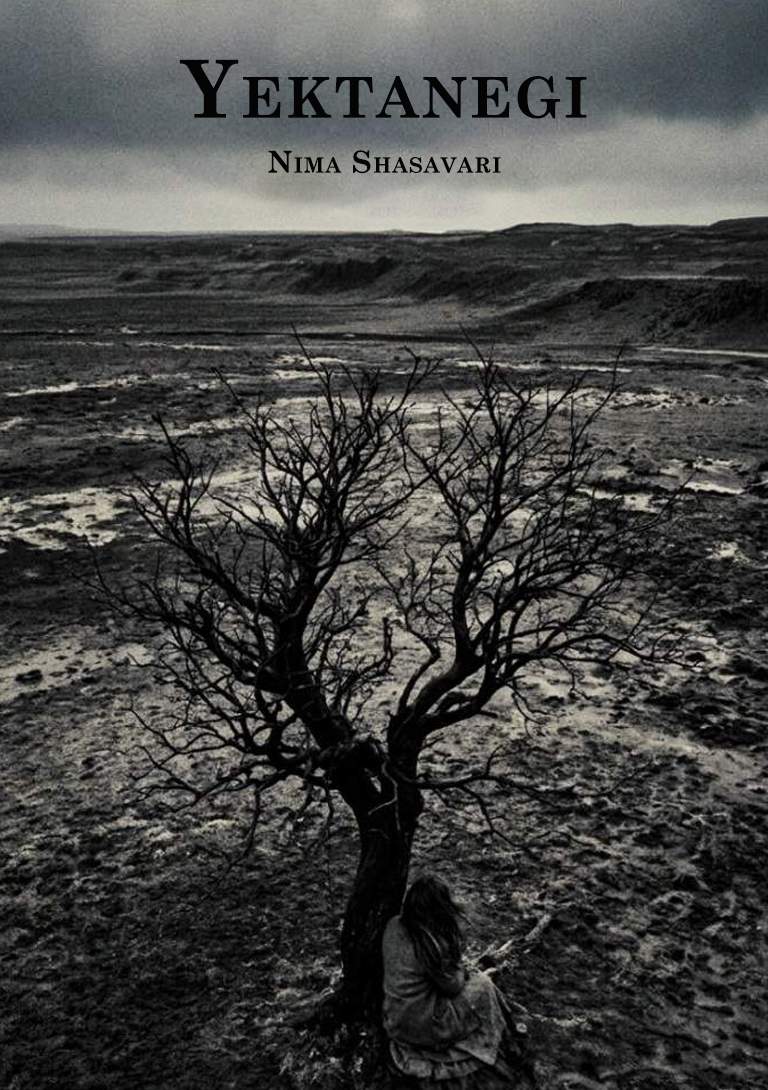
Yektanegi | Critique of Anthropocentrism and Janism

Yektanegi stands as a rigorous philosophical manifesto and literary critique that shatters the cocoon of human supremacy, redefining modern civilization as a frozen, exploitative vault. Moving far beyond self-aggrandizement, the text examines how institutionalized structures and consumerist mechanisms reduce living existence to mere commodities. Through striking architectural and biological metaphors, the work exposes the hidden violence behind historical development, laying bare the profound absence of empathy within anthropocentric systems.

Rooted strictly in the philosophy of Janism, Yektanegi contrasts the rigid authoritarianism of human-centric power with the liberating essence of universal life and equality. The narrative charts a profound inward and outward transformation, culminating in a powerful dissolution of frozen individuality into the life-giving rain. This symbolic metamorphosis embodies the absolute ethic of non-harm, offering an uncompromising philosophical return to the unified truth of existence.

Persian Edition Only
Philosophical Manifesto / Critical Literature / Deconstruction of Identity Cloaks / Biocentric Liberation of the Soul

Baniyan | Philosophy of Janism and Earth Collapse

Baniyan stands as an uncompromising literary and philosophical work that constructs a biocentric methodology for dismantling the technocratic civilization of Sarkon. Rejecting any form of self-aggrandizement, the text serves as an austere roadmap for stripping away the class, racial, and identity cloaks imposed by systems of dominance upon conscious existence. Through sharp structural critique and deep metaphysical inquiry, the work maps the journey back to the raw pulse of life and the absolute law of non-harm.

Rooted strictly in the philosophy of Janism, Baniyan posits a radical social paradigm where the vital worth of the smallest particle equals the entire weight of oppressive power structures. The narrative confronts the severe paradox between preserving innate simplicity and establishing defensive frameworks against systemic violence. Ultimately, the work envisions a unified global organism where pain becomes a shared language of mutual understanding, fundamentally negating all forms of dominion over living souls.

Persian Edition Only
Philosophical Prose / Critical Literature / Critique of Penal Justice / Law of Liberation and Non-Harm

Divan-e Insani | Critique of Penal Justice and Janism

Divan-e Insani stands as a rigorous deconstructive analysis tracing the historical evolution of judicial systems and human structures of domination. Rejecting any form of self-aggrandizement, the text examines how both traditional and modern concepts of justice have mutated into bureaucratic instruments for oppression, resource monopolization, and the exploitation of the living world. Through sharp philosophical critique and a fierce rejection of anthropocentrism, the work exposes the hidden violence woven into the fabric of human civilization across successive historical epochs.

Rooted strictly in the philosophy of Janism, Divan-e Insani introduces the law of liberation and restorative justice founded upon the absolute ethical principle of non-harm. The narrative charts a visionary transition away from punitive punishment, prisons, and systemic exploitation toward educational sanctuaries and ecological rehabilitation. It offers an uncompromising framework for achieving universal equality and peaceful coexistence among all living beings, championing the profound equality of every drop of existence.

Persian Edition Only

IX.Biocentric Harmony, Reverence for Nature, and the Liberation of Sentient Beings

Philosophical Prose / Critical Literature / Deconstruction of Human Identity / Awakening of the Living Life

Wandering | Deconstruction of Identity and Janism

Wandering stands as a striking philosophical work and narrative critique exploring the collapse of imposed human identities and the search for authentic existence within the realm of life. Rejecting any form of self-aggrandizement, the text examines the oppressive routine of modern existence, demonstrating how existential wandering can evolve into a necessary rebellion against structural determinism. It issues a severe, contemplative invitation to step outside the sterile vaults of human civilization and align with the liberating pulse of all conscious life.

Rooted strictly in the philosophy of Janism, Wandering poses a radical existential question: has the label of human turned into a prison of repeated cruelty rather than a mark of dignity? The work argues that deconstructing the false ego and inherited identity tags is a mandatory stage for awakening. By dismantling traditional humanism, the text reveals that true freedom demands breaking free from historical constraints to honor the sacred, shared integrity of every living soul.

Persian Edition Only
Philosophical Prose / Critical Literature / Deconstruction of Speciesism / Ontological Unity of Life

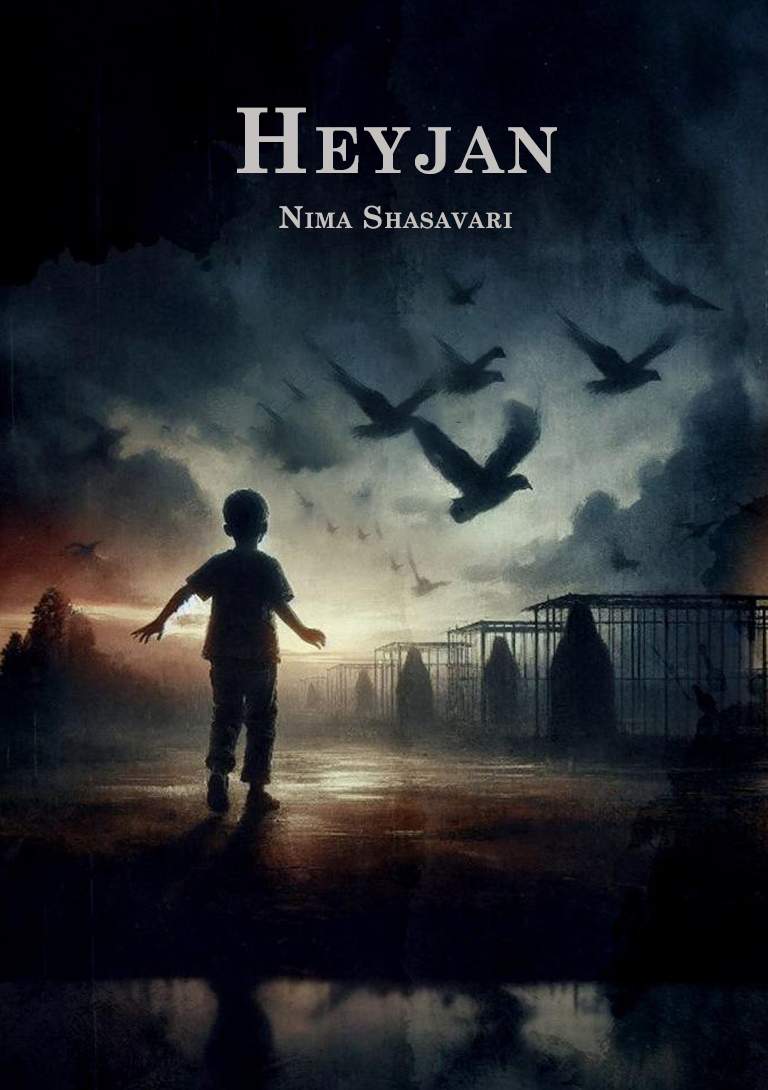
Heyjan | Ontological Unity and Janism Manifesto

Heyjan stands as a monumental philosophical text and 18-narrative collection that shatters the artificial boundaries separating human, animal, and plant life. Rejecting all forms of self-aggrandizement, the work introduces the neologism Heyjan to define freedom not as a privilege granted by human institutions, but as the innate, unalienable secretion of life itself. Through severe structural critique, the text exposes civilization as a feast of blood, dismantling the psychological and industrial frameworks of biological slavery that reduce conscious beings to laboratory metrics or entertainment commodities.

Rooted strictly in the philosophy of Janism, Heyjan issues a transcendent call toward ethical plant-based living and universal life-guardianship. The release of the work strictly as an open-access digital publication embodies its core message, refusing to destroy trees—the guardians of the earth—for paper production. By asserting that human liberation is inextricably linked to the total emancipation of every living entity, the text presents an uncompromising manifesto for a world without cages, governed solely by the law of absolute non-harm.

Persian Edition Only
Philosophical Manifesto / Critical Literature / Critique of Anthropocentrism / Ethics of Non-Harm

Jan | Philosophy of Janism and the Ethics of Non-Harm

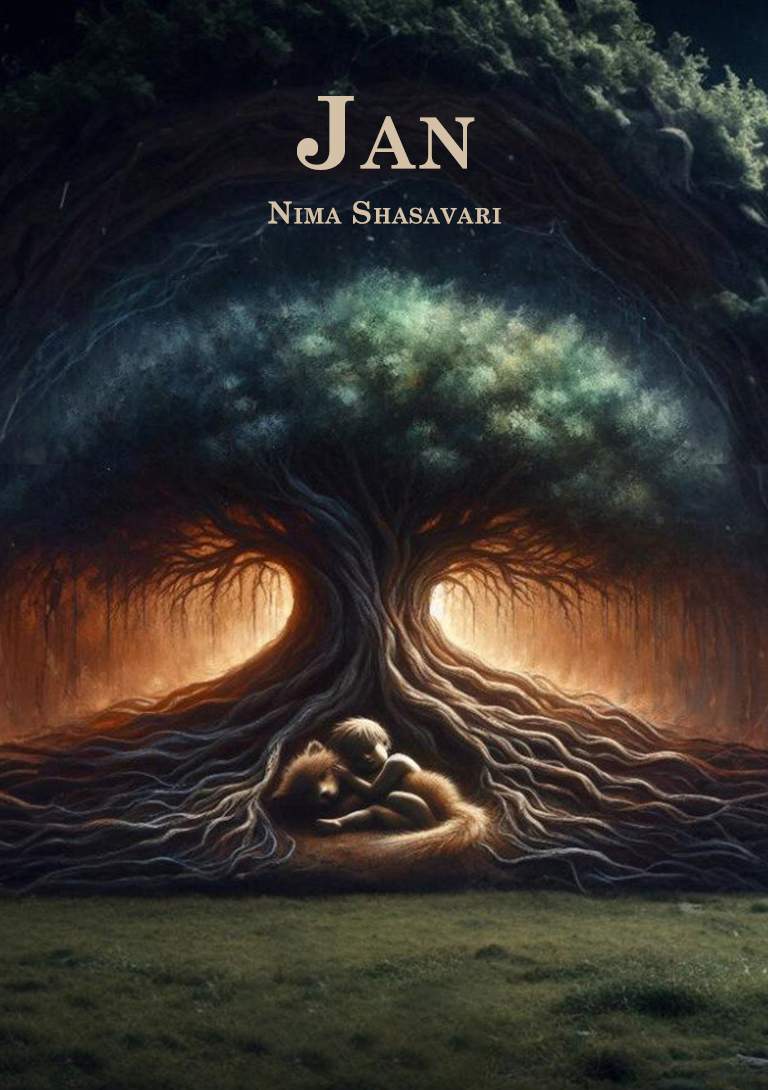
Jan stands as a seminal philosophical manifesto by Nima Shahsavari, offering an uncompromising critique of human exceptionalism and the theological illusions of power that justify the subjugation of living beings. The work asserts that consciousness, or Jan, is the sole absolute value in existence, stripping away the artificial hierarchies erected by instrumental reason. By exposing how institutionalized violence against the vulnerable breeds global conflict, Shahsavari challenges readers to look beyond the architecture of dominance and recognize that true peace remains an illusion while slaughterhouses endure.

Centering entirely on the philosophy of Janism, the text redefines green-eating and moral vegetarianism not merely as dietary choices, but as revolutionary political and ethical paths of living. Shahsavari weaves a profound critique of power structures, blood sacrifices, and anthropocentric arrogance, urging humanity to replace divisive species classifications with an undivided reverence for life. It is an essential contribution to contemporary critical literature for those seeking true liberation and the end of cosmic suffering.

Persian Edition Only
Philosophical Prose / Critical Literature / Critique of Anthropocentrism / Radical Equality

Vispozhi | Philosophy of Janism and Anti-Anthropocentrism

Vispozhi stands as a cornerstone within the literary and philosophical corpus of Nima Shahsavari, offering an uncompromising critique of human-centric dominance and entrenched power structures. Rather than functioning as a conventional narrative or a standard polemic, the work operates as a rigorous philosophical exploration into the intrinsic value of existence, stripping away the artificial hierarchies constructed by civilization to reexamine the foundational relationship between consciousness and the cosmos.

Grounded entirely in the philosophy of Janism, the text challenges readers to confront the violence inherent in institutionalized supremacy and anthropocentrism. Vispozhi meticulously dismantles the illusions of dominion, inviting a radical return to a state of non-harm, radical equality, and reverence for all living manifestations of breath and being. It is an essential contribution to contemporary critical literature for those seeking to look beyond the architecture of modern authority.

Persian Edition Only

X.The Ideal World: The Ultimate Horizon of Janism and Stateless Emancipation

Philosophical Manifesto / Critical Literature / Ethics of Non-Harm / Critique of Unguided Science

Maram-Nameh | Philosophy of Janism and Ethics of Non-Harm

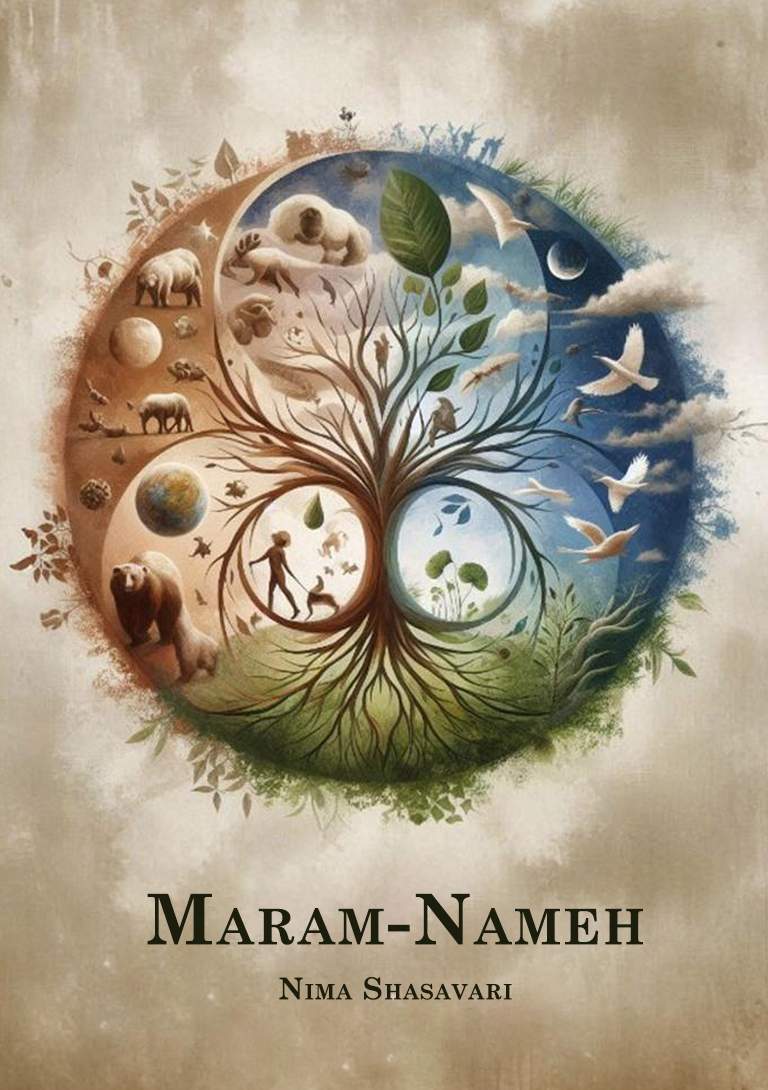
Maram-Nameh stands as an essential philosophical and non-fictional manifesto by Nima Shahsavari, serving as a comprehensive roadmap for moving beyond a civilization built on suffering toward a world rooted in radical compassion. The work challenges the uncritical worship of technological and scientific progress, arguing that knowledge divorced from moral integrity inevitably becomes an instrument of ecological destruction and systemic exploitation. By establishing non-harm as the ultimate measure of humanity, Shahsavari invites readers to embrace a voluntary covenant dedicated to the intrinsic sacredness of all living existence.

Grounded entirely in the philosophy of Janism, the text critiques entrenched economic disparities, class hierarchies, and material greed, envisioning a harmonious society where wealth and dignity are shared equally among all participants of existence. Maram-Nameh reimagines spirituality not as passive ritual, but as active, biocentric service and the relentless reduction of cosmic suffering. It is a vital contribution to contemporary critical literature for those seeking to replace the cold mechanics of power with the living pulse of justice and empathy.

Persian Edition Only
Political Manifesto / Critical Literature / Decentralization of Power / Ethics of Non-Harm

The Ideal Realm | Philosophy of Janism and Political Decentralization

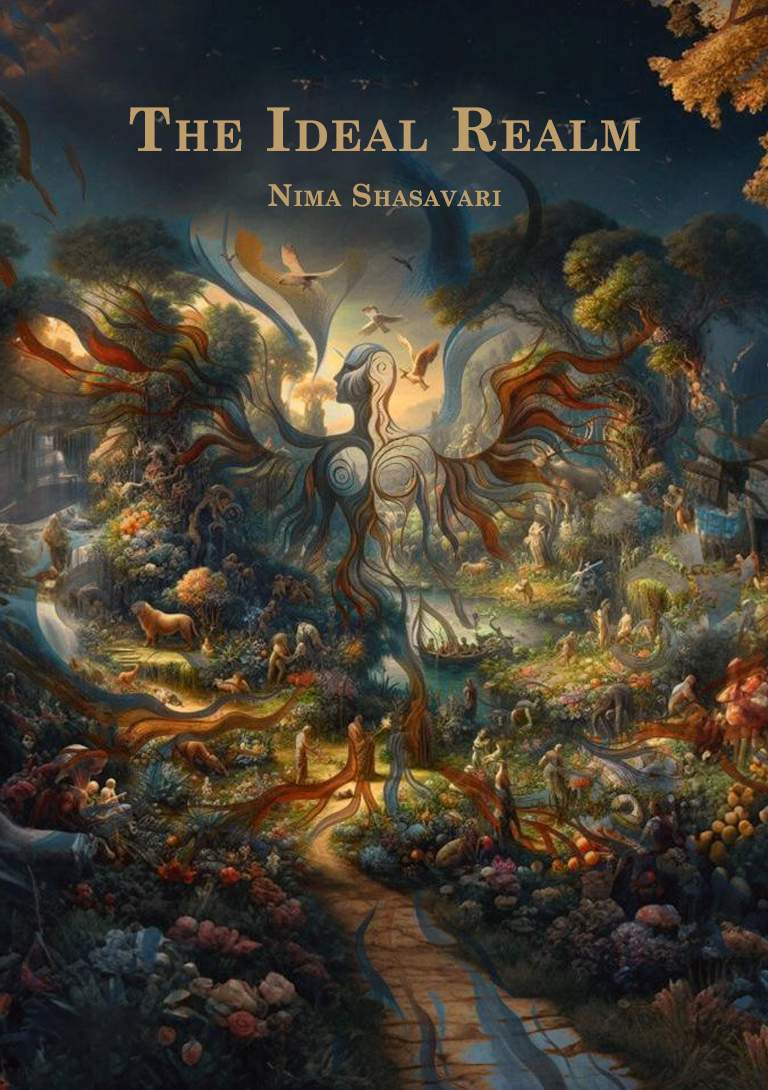
The Ideal Realm stands as a groundbreaking political and philosophical work by Nima Shahsavari, presenting a definitive blueprint for transitioning away from coercive, centralized regimes toward specialized, welfare-driven governance. The author deconstructs the inherent dangers of consolidated authority, introducing the revolutionary model of power decentralization that shatters traditional pyramids of dominance in favor of council-based oversight and collective administration. By anchoring political theory in the ethics of universal empathy, the work reimagines borders drawn by compassion rather than conquest.

Grounded entirely in the philosophy of Janism, the text challenges readers to dismantle the monster of unity and absolute rule, arguing that true freedom can only be achieved when authority is thoroughly fractured and shared. The Ideal Realm serves as an essential contribution to contemporary critical literature, advocating for a world where the governance of society is completely aligned with the absolute negation of harm to all living beings.

Persian Edition Only
Philosophical Prose / Critical Literature / Critique of Anthropocentrism / Absolute Sovereignty of Life

Idealistic World | Janism Philosophy and Philosophical Essays

Idealistic World stands as a definitive repository of philosophical inquiry and existential critique, weaving together essays and treatises that interrogate the foundational pillars of human civilization. Rooted strictly in the ethical worldview of Janism, the work exposes the violence inherent in anthropocentrism, coercive state power, and systemic exploitation. Nima Shahsavari dismantles the illusions of dominion, inviting readers into a rigorous examination of freedom, non-harm, and the intrinsic sovereignty of all living breath against the backdrop of historical domination.

Through deep analytical prose and uncompromising moral clarity, the text traverses the boundaries of conventional thought, offering an alternative framework where existence is rescued from utility and restored to its unalienable dignity. It serves as an essential guide for those seeking to understand the mechanics of oppression and the philosophical necessity of a planetary order grounded in absolute equality, peace, and the reverence of life.

Persian Edition Only
Philosophical Manifesto / Critical Literature / Legislation of Pain / Critique of Anthropocentrism

The World of Janism | Philosophy of Pain and Legislation

The World of Janism stands as a revolutionary manifesto for global liberation, dismantling traditional juridical structures and introducing the radical paradigm of legislation derived from pain. Authored within the profound framework of Janism, the work challenges the legitimacy of laws born from power and majority rule, arguing instead that true jurisprudence must emerge from translating the silent suffering of all sentient entities, ecosystems, and living beings. Nima Shahsavari unmasks anthropocentrism as the root catalyst of contemporary moral and ecological crises, demanding a complete philosophical realignment where life itself becomes the ultimate measure of existence.

Moving beyond the coercive mechanics of state violence, the text envisions a planetary order anchored in absolute biological equality, economic restructuring beyond commodification, and the total dissolution of military might. By substituting ballot boxes with the scales of suffering and replacing political borders with administrative spheres of care, the work establishes a blueprint for a civilized Earth. Offered freely in open-access digital format to honor the ecological sanctity of trees, this profound treatise invites humanity to embrace an era where justice is governed solely by the sacred imperative to protect all living breath.

Persian Edition Only
No translated editions available in this section yet.
DEEP INQUIRY & DISCOURSE

Analytical Treatise, Supplementary Notes & FAQ on Books

Curator's Supplementary & Audio Note

The books, manifestos, and philosophical works archive represents a massive intellectual undertaking, compiling over fifty volumes written by Nima Shahsavari. Spanning a diverse range of literary forms—including conceptual novels, short and long prose, historical-philosophical research, dialogues, and radical manifestos—this collection forms a unified assault on institutionalized dominance.

Every dedicated page for an individual book provides a rigorous analytical framework in English. These summaries unpack the structural anatomy of the chapters, the underlying metaphors, and the central philosophical arguments, stripping away superficial interpretations to expose the unvarnished critique of anthropocentrism and power.

At the center of this vast corpus lies the doctrine of Janism. Janism rejects the self-serving hierarchies constructed by human philosophy, asserting the intrinsic value, autonomy, and absolute equality of every living presence. The books systematically dismantle the mechanisms that allow human society to treat non-human existence and marginalized entities as mere resources or instruments of utility.

The critique extends deeply into the anatomy of structural power and instrumental reason. From ancient theological frameworks that demanded absolute obedience to modern techno-industrial complexes that sanitize mass destruction, these writings expose how civilization operates as an apparatus of control. True freedom cannot be conceptualized while remaining tethered to systems built upon subjugation.

To bridge linguistic divides, this archive operates as a living, iterative translation project. Translating over fifty complex philosophical volumes into English is approached as a continuous, step-by-step process of refinement. Pages are systematically updated over time, expanding toward complete bilingual editions that offer global readers uncompromised access to the full texts.

Embodying the ethical core of the philosophy, the entire repository is maintained on an open-access model. No paywalls, subscriptions, or commercial monopolies restrict access to these books. Knowledge regarding liberation and existence must remain entirely free from financial exploitation, mirroring the uncompromised nature of the ideas within.

Amplifying this global mission, the category serves as an official invitation for the Open Translation Alliance. Independent translators, linguists, poets, and scholars worldwide are summoned to participate in the co-creation, translation, and dissemination of these texts, ensuring that the voice of Janism echoes across all linguistic borders.

Language itself undergoes a fierce deconstruction across these volumes. Words traditionally weaponized by states and philosophical traditions to sanitize violence—such as order, civilization, and necessity—are dismantled. The texts replace these deceptions with the stark, logical reality of existence, suffering, and the urgent imperative of non-harm.

The tone across all works remains deliberately cold, philosophical, serious, and unyielding. Rejecting emotional manipulation, self-aggrandizement, or comforting falsehoods, the author approaches existence with surgical intellectual precision, forcing the reader to confront uncomfortable truths about human civilization.

Ultimately, this category stands as a monumental intellectual arsenal against tyranny. It invites those who enter to abandon anthropocentric illusions, recognize the sacred equality of all life, and engage with a comprehensive library dedicated to absolute structural liberation.

ANALYTICAL TREATISE
Core Philosophical Framework

The Architecture of Rebellion: Over Fifty Volumes of Philosophical Deconstruction

1. The Vast Corpus of Janism: Unifying Diversity Through Radical Critique

A philosophy cannot be sustained by isolated assertions or fragmented essays; it requires a comprehensive structural architecture that touches every dimension of human thought. This extensive archive brings together over fifty volumes of work, encompassing conceptual novels, analytical prose, historical-philosophical research, dialogues, and razor-sharp manifestos. Despite the wide variety of literary forms utilized across this corpus, every single text is anchored to an unyielding center of gravity: the doctrine of Janism and the absolute rejection of human supremacy.

Mainstream intellectual output frequently compartmentalizes philosophy, separating imaginative literature from political critique and historical analysis. Within this body of work, all forms serve the same militant purpose: to expose the mechanisms of control that govern human civilization and to articulate an uncompromised defense of all living existence. The novels breathe life into philosophical abstraction, the essays dissect the machinery of power, and the manifestos lay down the uncompromising laws of non-harm.

2. Deconstructing Anthropocentrism and the Cult of Human Supremacy

The primary target across this entire library of books is anthropocentrism—the foundational delusion that places humanity at the center of moral consideration while reducing all other living entities to instruments of utility. Humanism, despite its rhetorical appeals to dignity and freedom, has historically operated as an exclusive club built upon the corpses of the non-human world and the subjugation of the vulnerable. These texts systematically dismantle the philosophical, theological, and scientific rationalizations that prop up this planetary slaughterhouse.

By examining life through a non-anthropocentric lens, the books challenge the reader to discard the arrogant metrics of cognitive complexity or utility. Every living entity possesses an intrinsic right to exist, entirely independent of human authorization or economic value. This ontological shift destroys the moral foundation of modern industrial civilization, revealing it to be a sophisticated apparatus of mass exploitation.

3. The Anatomy of Power: From Theological Control to Modern Technological Enslavement

Power is not a neutral phenomenon; it is an active, coercive force that manufactures obedience and normalizes violence. The analytical works within this archive trace the evolution of authority across history. They dissect how ancient theological constructs established the psychological templates for obedience, and how modern political and economic systems inherited those structures to regulate and exploit life.

Instrumental reason, once celebrated as the pinnacle of human progress, is unmasked as an efficient machine of subjugation. Whether analyzing the totalizing state, ideological dogmas, or corporate-driven globalization, the books reveal an identical underlying mechanism: the concentration of power at the expense of individual autonomy and the living continuum. True emancipation requires not the reform of these structures, but their total deconstruction.

3.1 The Absolute Law of Non-Harm as a Structural Baseline

Across all fifty-plus volumes, the principle of non-harm is treated not as a passive moral suggestion, but as an absolute structural law. Authentic ethics cannot be built upon a foundation that normalizes daily violence. The books challenge readers to examine their complicity in systemic harm, demanding an unyielding adherence to non-aggression across personal, social, and political existence.

3.2 The Methodological Rigor of Book Pages

To ensure that international readers can navigate this massive intellectual output, each dedicated book page is meticulously structured. Providing detailed analytical summaries, structural breakdowns of chapters, and philosophical critiques, these pages act as comprehensive guides through dense theoretical landscapes, bridging the gap between original Persian texts and global comprehension.

4. The Living Archive: Iterative Translation and Global Co-Creation

Translating an expansive library of radical philosophical literature into English is a monumental task that rejects rushed, superficial execution. This archive is deliberately structured as a living, iterative project. Translations of the books are developed through a continuous, step-by-step process of refinement and updating, steadily expanding toward complete bilingual accessibility for international study.

Furthermore, this translation effort is paired with the **Open Translation Alliance**, an open call for independent scholars, translators, and thinkers worldwide to participate in the co-creation and dissemination of these works. Breaking down linguistic barriers is a collective responsibility, ensuring that the voice of Janism transcends borders and reaches every mind seeking uncompromised truth.

5. Uncompromised Open Access: Knowledge Free from Commercial Monopolies

True liberation cannot be bought, sold, or locked behind corporate paywalls. In strict alignment with the ethical framework of Janism, every book, manifesto, analytical breakdown, and future English translation within this archive is provided entirely free of charge under an open-access model.

Knowledge belongs to existence itself, not to the marketplace. By offering this entire intellectual corpus without restriction, the archive stands as an enduring monument against intellectual commodification. It invites readers to abandon anthropocentric illusions, embrace the universal equality of life, and join the unyielding march toward absolute structural liberation.

INQUIRIES & CLARIFICATIONS

Frequently Asked Questions

A: The archive encompasses over fifty volumes of work by Nima Shahsavari, spanning conceptual novels, essays, historical-philosophical research, dialogues, and radical manifestos.

A: All works are anchored to the doctrine of Janism, featuring a rigorous critique of anthropocentrism, structural power, and a defense of the absolute equality of all life.

A: Each book page provides comprehensive English analytical summaries, structural chapter breakdowns, metadata, and core philosophical critiques of the work.

A: The translations are handled through a living, iterative process of continuous updates and refinement, steadily expanding the archive toward complete English availability.

A: Yes, in complete adherence to open-access principles, all books, manifestos, and analyses are provided entirely free from paywalls or commercial gatekeeping.

FA
پیام شما با موفقیت ارسال شد

سپاس از همراهی شما. نسخه‌ای از تاییدِ ارسالِ این پیام به ایمیل شما فرستاده خواهد شد.

در صورتی که پرسشِ شما نیازمندِ بررسیِ دقیق یا درجِ اطلاعاتِ تکمیلی باشد، همکارانِ ما در اسرع وقت با شما ارتباط برقرار خواهند کرد.

تایید ارسال گزارش

گزارش شما با موفقیت در پایگاهِ داده‌های ما ثبت گردید.

به زودی ایمیلی جهتِ تاییدِ دریافت، به نشانیِ شما ارسال خواهد شد. در صورت نیاز به بررسی دقیق‌تر، با شما تماس خواهیم گرفت.

پیام شما با موفقیت ارسال شد

سپاس از همراهی شما. نسخه‌ای از تاییدِ ارسالِ این پیام به ایمیل شما فرستاده خواهد شد.

در صورتی که پرسشِ شما نیازمندِ بررسیِ دقیق یا درجِ اطلاعاتِ تکمیلی باشد، همکارانِ ما در اسرع وقت با شما ارتباط برقرار خواهند کرد.

Your Message Has Been Successfully Transmitted

Thank you for your engagement. A copy of this confirmation has been sent to your email address.

If your inquiry requires detailed review or further correspondence, we will get in touch with you shortly.

در حال بارگذاری...
راهنمای تکمیل پروفایل
📖
زندگی‌نامه

معرفی کوتاه از خودتان که برای همه کاربران قابل مشاهده است

🌍
اطلاعات شخصی

کشور: فقط مدیران می‌بینند • تاریخ تولد: به صورت سن نمایش داده می‌شود

💭
باورهای فکری

انتخاب‌های شما درباره‌ی هستی، اخلاق و جامعه - همیشه قابل تغییر

📱
راه‌های ارتباط

لینک شبکه‌های اجتماعی و وبسایت شما در پروفایل عمومی نمایش داده می‌شوند

⚙️
مدیریت حساب

ویرایش نام، ایمیل، رمز عبور - امکان فعالیت ناشناس

راهنمای تکمیل پروفایل
زندگی‌نامه

معرفی کوتاه از خودتان که برای همه کاربران قابل مشاهده است.

اطلاعات شخصی

اطلاعات کشور (فقط برای مدیران) و تاریخ تولد (نمایش به صورت سن).

باورهای فکری

انتخاب‌های شما درباره‌ی هستی، اخلاق و جامعه که همیشه قابل تغییر است.

راه‌های ارتباط

لینک‌های شبکه‌های اجتماعی و وبسایت شما در پروفایل عمومی نمایش داده می‌شود.

مدیریت حساب

ویرایش نام، ایمیل، رمز عبور و امکان فعالیت به صورت ناشناس.

راهنمای دسترسی به آثار
دریافت مستقیم و آرشیو: برای دانلود فایل‌ها از لینک‌های مستقیمِ سرور، اینترنت آرشیو یا درایوهای کمکی استفاده کنید تا با توجه به سرعت اینترنت خود، بهترین گزینه را انتخاب کرده باشید.
نسخه‌های صوتی و پلتفرم‌ها: آثاری که دارای نسخه‌ی شنیداری هستند، مشخصاتِ راوی و کیفیت‌های متنوعی دارند. همچنین می‌توانید در پلتفرم‌های اسپاتیفای، یوتیوب و تلگرام به آن‌ها دسترسی داشته باشید.
مشخصات و مطالعه آنلاین: برای آگاهی از شناسنامه‌ی فنیِ اثر، یا مطالعه‌یِ بی‌درنگِ متن در محیط آنلاین، از این بخش استفاده کنید.
پشتیبانی و گزارش خطا: در صورت برخورد با لینک‌های معیوب یا هرگونه اشکال فنی، می‌توانید موضوع را گزارش دهید تا سریعاً پیگیری شود.
راهنمایِ ثبتِ گزارشِ اشکال

لطفاً برای تسریع در رفعِ ایرادات، موارد زیر را در نظر داشته باشید:

  • بخش‌هایِ دارایِ علامتِ قرمز، الزامی هستند.
  • برایِ پیگیریِ بهتر، لطفاً عنوانی دقیق برای گزارش خود بنویسید.
  • در صورتِ تمایل، آدرسِ ایمیل خود را وارد کنید تا در صورتِ نیاز با شما تماس بگیریم.
  • آدرسِ (URL) صفحه‌یِ معیوب را دقیقاً با این فرمت ارسال کنید: https://idealistic-world.com/poetry
  • در بخشِ پیام، هرگونه جزئیاتِ بیشتری که به تشخیصِ بهترِ مشکل کمک می‌کند، ذکر کنید.
با همراهیِ شما، برایِ بهبودِ مستمرِ جهانِ آرمانی گام برمی‌داریم.
راهنمای ارسال اثر
تکمیل الزامی: فیلدهای قرمز الزامی هستند. دقت در اطلاعات، فرآیند چاپ و انتشار اثر شما را تضمین می‌کند.
ارتباط: راه‌های ارتباطی را دقیق وارد کنید. شبکه‌های اجتماعی دیگر را نیز می‌توانید در بخش توضیحات معرفی کنید.
بارگذاری: ارسال تا ۱۰ فایل با حداکثر حجم ۲۰ مگابایت. فرمت‌های پذیرفته شده: pdf, jpg, mp4 و سایر موارد رایج.
عنوان اثر: نامی که در ابتدای فرم وارد می‌کنید، همان عنوانی است که هنگام نشر در کنار اثرتان درج خواهد شد.
راهنمای ارسال اثر
تکمیل الزامی: فیلدهای قرمز الزامی هستند. دقت در اطلاعات، فرآیند چاپ و انتشار اثر شما را تضمین می‌کند.
اطلاعات هویتی: در درج اطلاعات دقت کنید؛ این اطلاعات برای چاپ ضروری بوده و تنها راه ارتباطی ما با شماست.
راه‌های ارتباطی: لینک نمونه آثار خود را دقیق وارد کنید تا با سبک کاری شما بهتر آشنا شویم.
بارگذاری: ارسال تا ۱۰ فایل با حداکثر ۲۰ مگابایت (فرمت‌های: pdf, jpg, mp4, png...).
نامِ درج در نشر: با انتخاب یکی از عناوین انتخابی در فرم، نام شما در کنار اثر هنگام چاپ درج خواهد شد.