
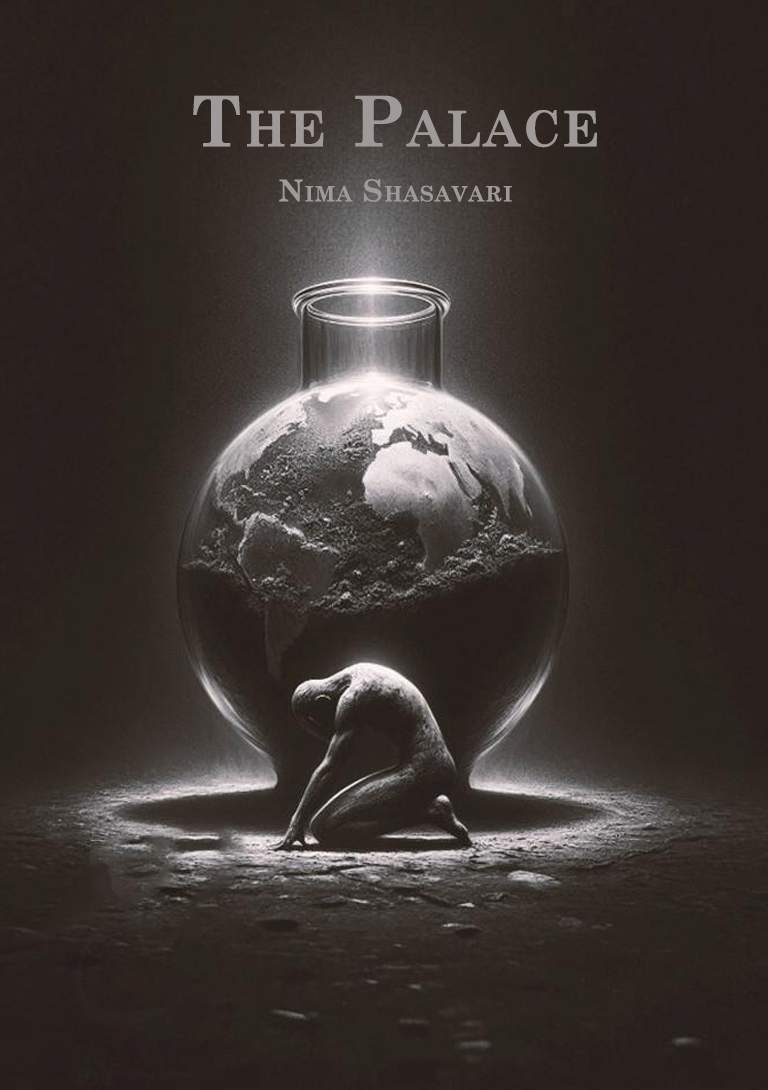


Deconstructing the Architecture of Nationalist Myth
Throughout history, the concept of the homeland has been idealized as a natural extension of human community. However, The Palace unmasks this romanticized notion as a calculated ideological construct designed to maintain hierarchical control. The ruling class leverages the sacredness of soil to divide populations, manufacturing enmity between groups that share the exact same fundamental vulnerabilities and desires for peace.
Nationalism functions by demanding supreme sacrifice from the populace, trading actual human flesh and breath for abstract geographical boundaries. Wars are fought not for the defense of the vulnerable, but for the expansion and security of elite power structures. By dissecting this machinery of division, the work reveals that patriotism is frequently an engineered trap that converts living beings into disposable instruments of state violence.
The Burden of the Laboring Masses
A central motif of the text is the heavy burden carried by the working masses—those who construct and maintain the physical and economic foundations of elite civilization while receiving only exploitation in return. Educational systems and cultural institutions act as ideological state apparatuses, instilling a sense of national superiority that blinds these populations to their own subjugation.
When an individual within this system chooses conscience over conformity—refusing to fire upon a designated enemy—the entire illusion of nationalist duty collapses. This act of civil disobedience affirms a deeper truth: that the artificial categories of nationality pale in comparison to the universal kinship of all living consciousness.
The Power of Consciousness Over Coercion
The narrative explores the aftermath of resistance, focusing on exile, education, and the transmission of liberating principles to future generations. True liberation cannot be achieved through the replication of state violence or revolutionary war; it must arise from a fundamental transformation in human awareness. By dismantling mental prisons and teaching the law of life, the individual contributes to the ultimate erosion of oppressive hierarchies.
The Metaphor of the Storm and Mental Palaces
The text employs the imagery of a cleansing storm to symbolize the unstoppable force of collective wisdom. Just as natural weather patterns reshape the physical landscape, the awakening of critical thought sweeps away the inherited prejudices, nationalist fervor, and authoritarian structures that have plagued human history.
The ultimate prison is never merely physical; it is the boundary drawn within the human mind. Breaking free requires shattering the mental palaces built on exclusion and supremacy.
The Janist Imperative: Ecological Integrity and Universal Solidarity
In direct opposition to the violence of nationalist expansion, The Palace champions the uncompromising ethics of Janism. Liberation is meaningless if it relies on the destruction of other living entities or the natural world. This philosophical principle is mirrored directly in the open-access digital publication model of the book.
By refusing paper printing, the author ensures that the dissemination of truth does not come at the cost of cutting down living trees. Publishing digitally transforms the work into a living manifestation of its message: that true freedom respects all life. Ultimately, the book stands as an inspiring manifesto for a borderless world, urging humanity to transcend the ruins of nationalist conflict and build a global community grounded in equality, empathy, and reverence for all existence.


