The Platform for Janism, Critique of Power, and Free Access to Nima Shahsavari’s Works
This treatise, is an authentic manifestation of the philosophy of Janism and human liberation, authored by Nima Shahsavari, and published openly and freely for seekers of truth and freedom worldwide.
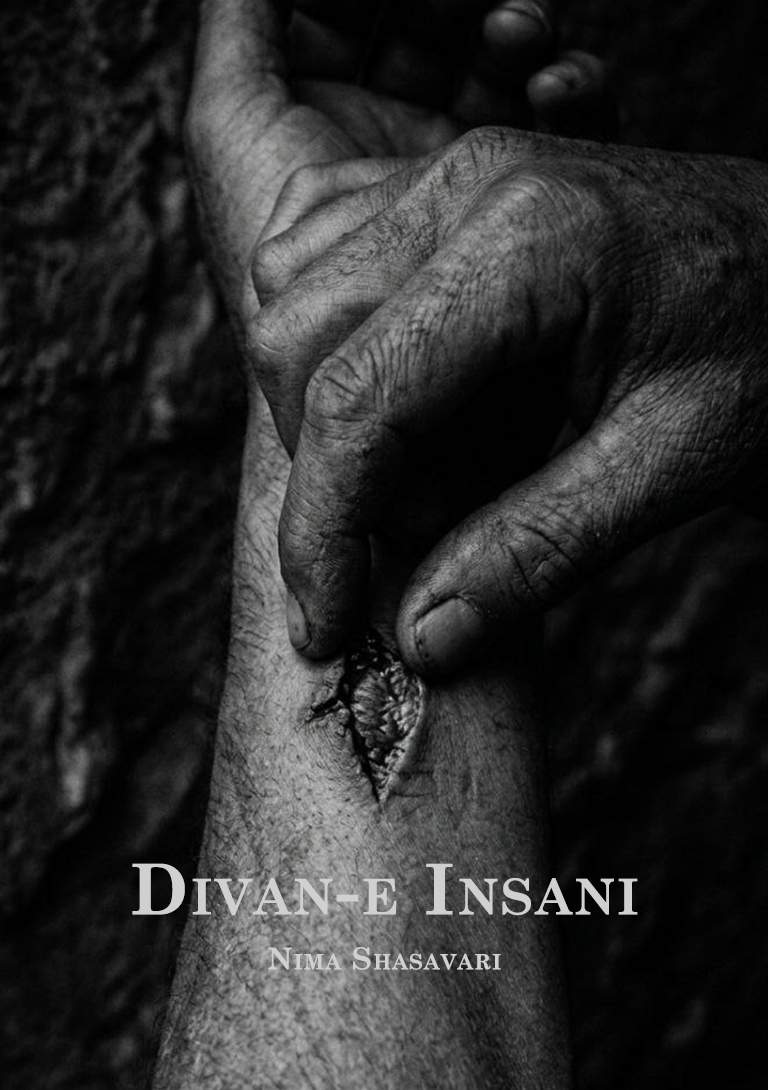
This work is an intrinsic part of the public heritage of Janism. Grounded in the philosophy of cognitive equality, access to this content for download and distribution is completely free and open. Reproduction and sharing are encouraged, provided the authenticity of the words and the spirit of the text remain unaltered—a true ethical action on the path toward awakening.
While the original Persian corpus is fully complete, English editions are being translated and published progressively. As soon as each book or poetry collection is translated, its digital edition becomes immediately available for free public download.
You can actively take part in this global dissemination of Janism philosophy. If you wish to support us in translating, proofreading, or expanding these foundational texts, your collaboration is warmly welcomed.
To accelerate global access, advanced artificial intelligence tools have been utilized in translating initial drafts. Consequently, minor textual flaws or nuances may exist. Ongoing human reviews and community corrections are continuously refining the editions.
Nima Shahsavari
Nima Shahsavari has pursued writing since the age of 15 as a means to question structures of power and explore the concepts of freedom. His works, ranging from poetry to analytical essays, are grounded in the philosophy of "Janism" (the intrinsic value of all living beings) and the equality of all sentient entities. Believing in universal access to knowledge, he distributes his writings freely, bypassing commercial cycles. By replacing paper with digital publishing, Shahsavari strives to ensure his words echo as a pulse for redefining life without harming nature.
In the name of the sole freedom of all living beings
I deemed it my duty to ensure such an inscription appeared at the dawn of this treatise. Nima Shahsavari rose to write, inviting minds to liberation. I considered it a dishonor to commercialize my struggle through this path or stain this pure endeavor with material wealth.
With the aid of modern technology, one need not follow the path of the ancients and consume paper for publication. I have never published my writings upon paper—the life of a tree. If you consider yourself an advocate of freedom, you will not commit slaughter against nature.
Hoping for the freedom and liberation of all living beings
Composed in Winter 2008

Explore Divan-e Insani by Nima Shahsavari. A deconstructive critique of penal justice, state power, and a manifesto for the law of liberation and Janism...
Equality, Freedom, Critique of Power
Open-Access Digital Heritage
To enter Divan-e Insani is to confront the dark historical trajectory of human justice, where the scales of law have perpetually tipped in favor of domination and exclusion. Within the philosophical framework of Nima Shahsavari, judicial systems are unmasked not as guardians of equity, but as sophisticated bureaucratic machinery designed to enforce resource monopolies, suppress dissent, and subjugate the living world.
The text undertakes a sweeping historical critique, mapping the evolution of punitive power from ancient land enclosures and religious inquisitions to modern state guillotines and contemporary digital surveillance under Neopadian algorithms. Across every epoch, whether through physical violence or cold digital erasure, the state has refined its mechanisms of control. Concurrently, this industrial subjugation extends outward into the systematic torture of non-human animals and the transformation of the earth into a dead carcass for extraction.
Against this legacy of tyranny, the work posits the radical ethical core of Janism—the principle of the equality of all drops of existence. It asserts that every living entity possesses an unalienable right to a life free from harm, and that any system of penal punishment merely reproduces the cycle of despotism under a civilized mask.
Ultimately, Divan-e Insani offers a profound structural alternative: the replacement of prisons, isolation, and execution with educational cooperatives and antidotal gardens. By embracing dialogue, ecological rehabilitation, and the absolute rejection of violence, the work paves the way for a truly awakened society rooted in the law of liberation.
The critical examination of justice, power, and civilization reaches a profound turning point in the works of Nima Shahsavari. In Divan-e Insani, the author delivers a rigorous, deconstructive analysis of the history of judicial systems, exposing how law has functioned historically as an instrument of elite domination and structural violence. Rejecting any form of self-aggrandizement, the text maintains an austere, objective, and philosophically rigorous tone. It challenges the foundational myths of human civilization, tracing how the pursuit of order has consistently resulted in the suppression of freedom, the monopolization of resources, and the widespread exploitation of the living world.
The historical critique presented in Divan-e Insani unfolds across distinct epochs, each representing an evolution in the technology of control. The history of human jurisprudence begins with the violent marking of territory and the monopolization of essential natural resources by terrestrial and archaic ruling classes, giving rise to early forms of exclusion and ritualized punishment. As civilization progressed into the age of religious dogmatism, this power manifested as inquisitorial tribunals, burning dissenters at the stake in the name of absolute truth.
In subsequent eras, monarchical hierarchies gave way to modern rationalist states, where traditional scaffolds were replaced by the cold efficiency of bureaucratic guillotines and penal codes. In the most advanced layer of this trajectory—the digital era of Neopadian control—repression sheds its crude physical violence for algorithmic monitoring and digital erasure. Here, state power neutralizes opposition not through the executioner’s blade, but by stripping away digital identity and subjecting individuals to cold, bureaucratic processing. Simultaneously, this systemic violence expands outward into the industrial torture of animals in laboratories and slaughterhouses, reducing the living earth to a lifeless object for profit extraction.
At the philosophical heart of Divan-e Insani lies an uncompromising ethical axiom: the absolute equality of all drops of existence (یکسانی قطرههای هستی). This worldview shatters the anthropocentric illusions that place human utility at the center of moral consideration. In this framework, every living being—regardless of species, form, or social standing—shares an identical, inviolable right to exist without suffering harm.
The text argues that conventional penal justice, with its reliance on retribution, imprisonment, and state-sanctioned violence, is fundamentally flawed because it operates on the same logic of tyranny that it claims to punish. True justice cannot be achieved through the replication of cruelty. Instead, the law of liberation demands that humanity conquer its internal monster, dismantle the artificial barriers separating the self from the other, and replace the accumulation of power with an unyielding reverence for life.
Moving beyond critique, Divan-e Insani presents a visionary alternative to the carceral state. The work calls for the total abolition of prisons, isolation walls, and capital punishment, replacing them with revolutionary structures such as educational cooperatives and antidotal gardens (باغ پادزهران). In this alternative model, human error or social transgression is understood not as an innate evil requiring brutal retribution, but as a symptom of ignorance and systemic alienation.
By rooting the resolution of conflict in open dialogue, ecological education, and moral rehabilitation, the text outlines a path toward a non-violent society. This restorative model refuses to inflict harm in response to harm, instead fostering a culture of collective awareness and mutual healing.
In an era defined by retributive justice, ecological crisis, and escalating systemic control, Divan-e Insani stands as an indispensable philosophical manifesto. By challenging the legitimacy of penal structures and grounding its vision in the principles of Janism and non-harm, Shahsavari provides a timeless roadmap for human liberation. It is an urgent invitation to transcend the machinery of punishment and build a world anchored in true equality and peaceful coexistence.

Explore Divan-e Insani by Nima Shahsavari. A deconstructive critique of penal justice, state power, and a manifesto for the law of liberation and Janism...
برابری، آزادی، نقد ساختارهای قدرت
ارجاع علمی و ادبی به آثار
سپاس از همراهی شما. نسخهای از تاییدِ ارسالِ این پیام به ایمیل شما فرستاده خواهد شد.
در صورتی که پرسشِ شما نیازمندِ بررسیِ دقیق یا درجِ اطلاعاتِ تکمیلی باشد، همکارانِ ما در اسرع وقت با شما ارتباط برقرار خواهند کرد.
گزارش شما با موفقیت در پایگاهِ دادههای ما ثبت گردید.
به زودی ایمیلی جهتِ تاییدِ دریافت، به نشانیِ شما ارسال خواهد شد. در صورت نیاز به بررسی دقیقتر، با شما تماس خواهیم گرفت.
سپاس از همراهی شما. نسخهای از تاییدِ ارسالِ این پیام به ایمیل شما فرستاده خواهد شد.
در صورتی که پرسشِ شما نیازمندِ بررسیِ دقیق یا درجِ اطلاعاتِ تکمیلی باشد، همکارانِ ما در اسرع وقت با شما ارتباط برقرار خواهند کرد.
Thank you for your engagement. A copy of this confirmation has been sent to your email address.
If your inquiry requires detailed review or further correspondence, we will get in touch with you shortly.
معرفی کوتاه از خودتان که برای همه کاربران قابل مشاهده است
کشور: فقط مدیران میبینند • تاریخ تولد: به صورت سن نمایش داده میشود
انتخابهای شما دربارهی هستی، اخلاق و جامعه - همیشه قابل تغییر
لینک شبکههای اجتماعی و وبسایت شما در پروفایل عمومی نمایش داده میشوند
ویرایش نام، ایمیل، رمز عبور - امکان فعالیت ناشناس

جامعهای برای گفتوگو، تعالی و رسیدن به آرمانها
همه کاربران میتوانند بدون نیاز به ثبتنام، از آثار رایگان شامل کتابها، کتابهای صوتی و پادکستها استفاده کنند.
فضایی برای گفتوگو، تبادل نظر و مشارکت در مباحث جامعه. تالار گفتمان مکانی است برای:
اعضای سایت میتوانند مطالب، مقالات و اشعار خود را در جهان آرمانی منتشر کنند.
جهان آرمانی باورمند به قانون آزادی است. قانونی که یکایک جانداران را برابر میانگارد و آزار به آنان را بزرگترین خطای جهان میپندارد.
قانون آزادی، هرگونه آزار اعم از (آزار فیزیکی، روانی و کلامی) را نهی میکند. هرگونه توهین، تحقیر، تهدید، سرقت آثار دیگران و... نوعی آزار به حساب آمده و با قانون آزادی منافات دارد.
از طریق منوی اصلی سایت، گزینه "ثبتنام" را انتخاب کنید.
نام کاربری و ایمیل معتبر را وارد کنید.
لینک فعالسازی به ایمیل شما ارسال میشود. با کلیک روی این لینک، میتوانید رمز عبور خود را تنظیم کنید.
پس از فعالسازی حساب و تنظیم رمز عبور، میتوانید با نام کاربری و رمز عبور وارد سایت شوید.
برای سهولت بیشتر، میتوانید از طریق حساب گوگل خود در سایت ثبتنام کنید:
پس از ثبتنام، به تالار گفتمان دیالوگ دسترسی خواهید داشت - فضایی برای گفتوگوی سازنده، تبادل نظر و مشارکت در ایجاد تغییرات مثبت در جامعه.
پس از ورود به حساب کاربری، میتوانید از بخش "پروفایل من" تنظیمات زیر را انجام دهید:
برای افزایش امنیت، میتوانید رمز عبور خود را به طور دورهای تغییر دهید.
تصویر پروفایل و بنر شخصی خود را آپلود کنید تا در انجمن و پروفایل شما نمایش داده شود.
امضای خود را برای نمایش در زیر پستهای انجمن تنظیم کنید.
لینک شبکههای اجتماعی خود را اضافه کنید تا در پروفایل شما نمایش داده شود.
نگرش خود را در مورد موضوعات مختلف از جمله مذهب، اخلاق، سیاست و اقتصاد بیان کنید.
همه اعضای جهان آرمانی متعهد به رعایت قانون آزادی هستند. این قانون برابری همه جانداران و ممنوعیت هرگونه آزار را تأکید میکند.
معرفی کوتاه از خودتان که برای همه کاربران قابل مشاهده است.
اطلاعات کشور (فقط برای مدیران) و تاریخ تولد (نمایش به صورت سن).
انتخابهای شما دربارهی هستی، اخلاق و جامعه که همیشه قابل تغییر است.
لینکهای شبکههای اجتماعی و وبسایت شما در پروفایل عمومی نمایش داده میشود.
ویرایش نام، ایمیل، رمز عبور و امکان فعالیت به صورت ناشناس.
لطفاً برای تسریع در رفعِ ایرادات، موارد زیر را در نظر داشته باشید:
https://idealistic-world.com/poetry
در آستانهیِ آگاهی
آگاهی، تنها داراییِ مشترکِ ماست؛ اینجا فضایی برای تکثیرِ این دارایی، فراتر از مرزهایِ انفعال است.
از کلمه تا رهایی
هستهیِ بیداری