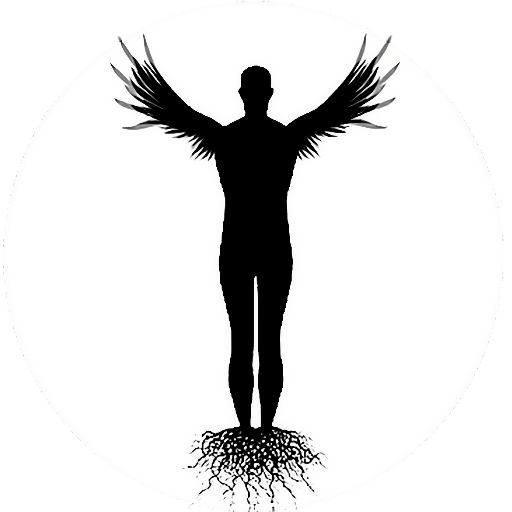



Inverting Genesis: The Philosophical Trial of Divine Power
To engage with Afakinesh is to witness the deliberate dismantling of the most entrenched narratives in human history. Nima Shahsavari constructs a monumental epic that challenges the traditional teleology of creation, arguing that the universe did not emerge from an overflow of divine compassion, but from the creator’s desperate flight from the suffocating repetition of submissive angels. In this radical reading, human existence is framed as a capricious plaything designed to amuse an absolute ruler. By exposing the underlying mechanics of divine autocracy, the work lays the intellectual groundwork for a universal insurrection against all forms of hierarchical dominance.
The narrative unfolds across six distinct phases, meticulously charting the trajectory from blind servitude to conscious rebellion. It begins by examining the sterile perfection of primordial existence, moving through the awakening of critical thought via the archetypes of intellect and emotion, and tracing the weaponization of religion throughout human history. The culmination of this trajectory is a revolutionary judgment day where the rebels refuse prostration, choosing instead to march against the white throne of oppression and demand the absolute dethroning of the celestial tyrant.
The Trinity of Defiance: Mehraz, Ardan, and Satan
Central to the dramatic architecture of Afakinesh is its subversive reinterpretation of rebellion and exile. While orthodox theology portrays the expulsion from paradise as a divine punishment for disobedience, Shahsavari reclaims this rupture as the genesis of human consciousness. The trinity of defiance—formed by Mehraz (the heart), Ardan (the intellect), and Satan—stands in direct opposition to the forces of systematic brutality represented by figures of institutional slaughter.
This dynamic exposes the hypocrisy of sacred structures that demand unconditional surrender while manufacturing cruelty. The rejection of divine authority is thus elevated to a sacred duty, demonstrating that true moral agency cannot exist where obedience is enforced through fear. Through these allegorical archetypes, the text dissects the pathology of power, showing how obedience to an unjust heaven inevitably translates into the justification of tyranny on earth.
The Republic of Living Souls and the Law of Liberation
Moving beyond critique, Afakinesh culminates in the visionary architecture of the Republic of Living Souls. This borderless, stateless ideal completely abolishes the categories of ruler and subject, master and slave. Within this model, power is dismantled and returned directly to equal, living consciousnesses.
- Abolition of Hierarchy: The permanent eradication of monarchy, divine right, and speciesist supremacy.
- The Law of Liberation: The establishment of non-harm toward humans, animals, and plants as the sole criterion of justice.
- Universal Emancipation: A decentralized existence where peace is sustained through mutual reverence rather than institutional coercion.
By rooting this utopian vision in the ethical framework of Janism, Shahsavari bridges metaphysical rebellion with practical ecological justice. A world that retains hierarchy among species or relies on the subjugation of the vulnerable can never be truly free.
Digital Integrity: Protecting Nature While Defying Heaven
Reflecting its uncompromising commitment to the ethics of non-harm, Afakinesh rejects the traditional physical publishing apparatus. Shahsavari maintains that a manifesto calling for the liberation of all living beings cannot participate in the destruction of forests and the exploitation of nature. By releasing the epic exclusively through open-access digital platforms, the work ensures that its revolutionary message reaches the world without costing a single leaf.
Ultimately, Afakinesh is an enduring call to arms for the human conscience. It teaches that freedom is won only by dragging absolute power from its pedestal, dismantling the structures of authority, and embracing an ethos of radical equality and universal love.