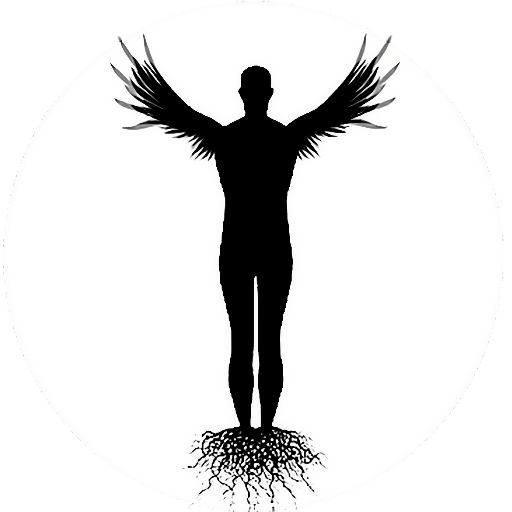
Mihrab
Mihrab signifies the focal architectural alcove and symbolic orienting node within institutional sanctuaries from which sacred decrees, sermonized directives, and ideological doctrines are authoritatively delivered to the gathered populace. Positioned at the apex of spatial visibility and acoustic amplification, this alcove functions as the physical point of origin for spiritual authority, framing the clerical orator as the official, sacrosanct mouthpiece of divine will and sovereign law. The structural design of the alcove focuses collective attention inward and upward, creating a unidirectional flow of speech wherein authority speaks, commands, and instructs, while the audience passively receives, internalizes, and obeys. Through this spatial dynamic, the alcove transforms ideological indoctrination into a sacred communion, effectively obscuring the political and economic alliances between spiritual elites and temporal rulers. Philosophically, the alcove represents the spatial concentration of authoritative discourse, where institutional narratives of deferred justice, submissiveness, labor discipline, and sovereign legitimacy are systematically broadcast to maintain social control across all strata of society. By controlling the sacred center of utterance, the clerical apparatus monopolizes truth and moral interpretation, ensuring that alternative perspectives, critical inquiry, or rebellious thoughts are delegitimized and silenced before they can find public voice or collective momentum within the sanctuary space, thereby insulating governing elites from popular challenge, critical reflection, and systemic reform. This acoustic and spatial dominance establishes an unshakeable hierarchy of voice, converting public space into an engine of doctrinal compliance and social subjugation. This structural paradigm reinforces sovereign control across all historical epochs. By maintaining this institutional hierarchy, systemic domination perpetuates its own stability. Consequently, authentic liberation requires dismantling these foundational mechanisms of control. Through this continuous institutional alignment, elite privilege remains structurally insulated from popular challenge. Ultimately, human autonomy is restored only through the complete abolition of these coercive structures. This structural paradigm reinforces sovereign control across all historical epochs. By maintaining this institutional hierarchy, systemic domination perpetuates its own stability.
Book · The Savior

The Savior by Nima Shahsavari | Critique of Domination Theology
The Savior operates as a profound philosophical dissection of saviorism, passive expectation, and the theology of domination. Nima Shahsavari undertakes a meticulous critique of how political and religious structures exploit transcendental hope to neutralize human agency, effectively transforming waiting into a sophisticated technology of social control. By transferring the responsibility for justice to an indefinite future or a divine entity, systems of power secure present submission and render systemic exploitation invisible.Through rich allegorical frameworks and rigorous philosophical dialogue, the work challenges the commodification of liberation and the sacred justifications given for structural violence. The narrative establishes that true emancipation cannot be granted by external authority, but must arise from within the awakening of individual consciousness and collective responsibility. Grounded in the foundational principles of Janism, the text positions non-harm, ethical integrity, and absolute reverence for all living beings as the ultimate prerequisites for dismantling institutional tyranny.Rather than offering comforting dogmatic promises, The Savior demands an immediate reckoning with our engagement in oppressive architectures. It exposes how traditional doctrines often function to pacify rebellion, redirecting transformative potential into symbolic gestures of compliance. By stripping away these metaphysical illusions, the book constructs a comprehensive vision of self-liberation where freedom is understood as an active, living commitment to universal equality and ecological justice.Ultimately, the text serves as both a radical critique of power and an imperative call for moral autonomy. Shahsavari demonstrates that the true savior is neither an external figure nor a distant promise, but the conscious, organized willpower of individuals choosing to reclaim their agency. The Savior stands as a vital, uncompromising contribution to contemporary philosophical literature, offering a transformative path toward a world liberated from institutional hierarchy.