The Fall of the Subject into the Abyss of Statistics: The Paradox of Narrative and Transmutation within the Text of Power
The Dissolution of the Self-Grounded Narrative and the Mechanism of Bureaucratic Expropriation
The deepest, most horrific, and irreparable rupture within the realm of living consciousness occurs when the sentient entity surrenders the thread of self-narrative to macro-structures of power. In this controlled atmosphere, the organism forfeits sovereignty over the representation of its corporeal form and consciousness, allowing the technocratic machine to dictate its identity, function, and biological boundaries. A ruthless, devastating question emerges within this milieu: If you are not the narrator of your own existence, how will the media of power translate you? The answer to this question demands a stark anatomy of a structure built upon pillars of deception. Official apparatuses, legal frameworks, and capital-aligned jurisprudential doctrines never interpret life in its natural authenticity; rather, they signify you merely as fuel, commodity, or threat.
The grim reality of today’s subjugated world reveals that in the absence of a self-grounded, vitalistic consciousness, the essence of your being is expropriated by the bureaucratic apparatus and reduced to a meaningless figure on a production ledger. This statistical reduction constitutes the ultimate teleology of modern discipline. Within the matrix of statistics, your name, emotion, vibration, and organic bond are erased, leaving behind only an economic yield chart—a number whose existential value within market logic equates to that of a kilogram of potatoes. Empirical manifestations of this condition are evident in national identification numbers, free-market tax records, and credit-rating systems. By converting living entities into digital metrics, the system freezes their revolutionary potential, compelling each organism to perceive itself merely as a trivial cog in the grand matrix of plunder.
The Strangulation of the Vital Artery: The Bloody Battle Between Lura and Kratos
This process signifies total narrative and existential captivity, wherein Lura—the authentic voice of life—is strangled by Kratos—the instinct for control and dominion. Lura represents a decentralized, horizontal, and egalitarian resonance flowing through the veins of all living entities; a voice that deems life sacred independent of its functional utility. Conversely, Kratos is the rigid embodiment of sovereignty, property laws, and the lust for systemic oppression. When the living entity retreats from authoring its own narrative, Kratos steps forth with the whip of bureaucracy to seize the existential space. A phenomenon unable to articulate its own existential vibration is transformed into a commodity; its biological identity ground into powder within the gears of the technocratic regime to be consumed as fuel for the cycles of capital accumulation.
The political history of the modern world demonstrates how power structures—through educational institutions, mass media, and psychological engineering—have stripped living beings of the language of revolt. In place of Lura’s authentic tongue, a bureaucratic, conciliatory lexicon is injected into the masses, coercing them to articulate their suffering in the very language of the system itself. When the oppressed appeals to capitalist courts or doctrines of legalistic exploitation to claim existential freedom, they speak, in truth, the dialect of Kratos. This represents the supreme transmutation within the text of power: where the will to liberation itself becomes an instrument for the mechanical reproduction and stabilization of the apparatus of control.
The Statistical Holocaust: The Degradation of Consciousness in Systems of Mass Production
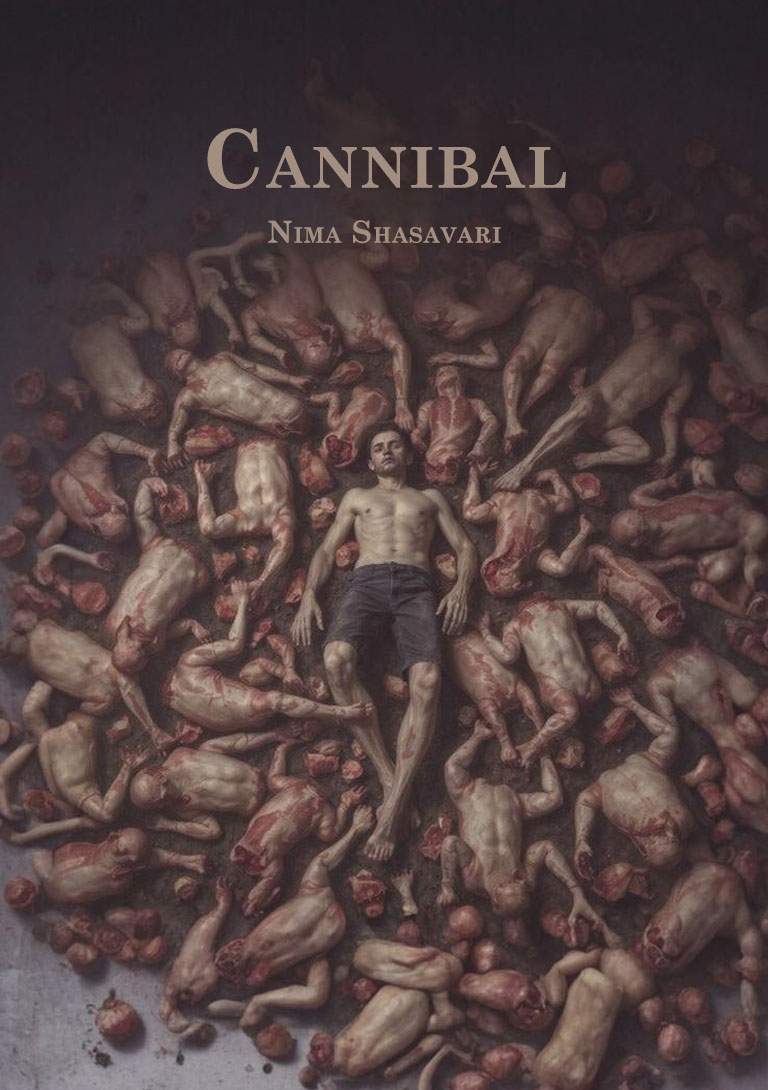
Within the regime of mass production, this fall into the abyss of statistics assumes an objective, mundane form. Millions of living entities across industrial farms, darkened mines, and peripheral textile mills are logged merely as cost variables on corporate balance sheets. In this process, subaltern consciousness undergoes such severe erosion that the individual comes to view their own corporeal frame solely as a functional tool. This material alienation severs the bond of life, turning living beings into isolated, terrified, and solitary particles drowning in the depths of official metrics, leaving no echo of their primordial vibration upon the surface of the earth.
The Toxic Glare of Rigid Gems and the Desiccation of the Vital Artery
The Delusion of Supremacy and the Sacrifice of the Bio-Macrostructure at the Altar of Luxury
Modern anthropocentrism, anchored in arrogant delusions of supremacy, has led the entire continuum of life to the slaughterhouse, crushing the compressed carbon of fellow beings to fabricate artificial aesthetics and magical instruments. This predatory ideology defines the totality of existence merely as an insignificant backdrop for satisfying bureaucratic urges and classist fantasies. Severing the organic bond between living entities, the power structure breaches the material body of the earth and soul to extract rigid symbols of wealth—gold, diamonds, and oppressive technologies—from their suffering. A second question weighs heavily upon the brow of history: Is the radiance of a gem forged from the ashes of suppressed lives worth the blinding of your own eyes? This question shatters the moral foundations of modern civilization, a civilization that grounds its aesthetic paradigms on pulverizing the very essence of subaltern existence.
The naked truth of this process is a structural and systematic blindness. The dazzling yet toxic glare of power and wealth bloodies the sclera of the eyes, preventing the perception of the catastrophic desiccation of the biological macrostructure. The sparkling shopfronts of the free market and the towering skyscrapers of technocracy pump their poisonous luminescence into mass consciousness, rendering human eyes incapable of beholding the destruction of forests, the captivity of sentient beings in material chains, and the freezing of biological empathy. This visual deception bleeds the sclera—a hemorrhage born of the violent friction between the illusion of prosperity and the objective reality of life’s broken bond. The mesmerized entity will not realize its own blindness until the final traces of life dissolve around it.
The Rigid Desert of Ashes: The Cancerous Advance of Timocratic Structures
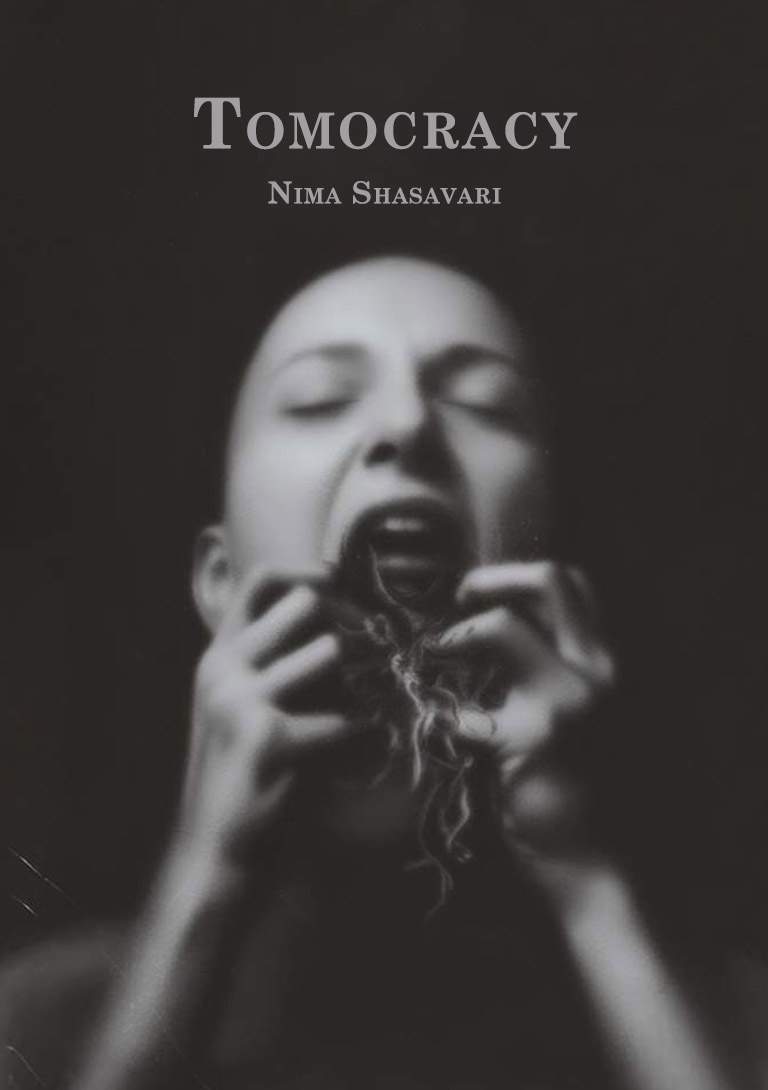
The technocratic and capitalist logic, through its relentless consumption of resources, propels the world toward total biological blockage. When you have desiccated all oceans, forests, and living beings to achieve a technocratic, luxury evolution, no breath will remain to behold that false glare. This is the system’s foundational philosophical contradiction: to sustain its mechanical expansion, the control machine evaporates the innermost vital arteries of the earth. This perpetual thirst to devour the essence of being has transformed the world into a rigid desert of ash—an oxygenless, waterless void where only metallic frames and cold timocratic jewels remain, while life in its natural domain drifts toward complete extinction.
Timocracy—the reign of property owners and bureaucrats of capital—possesses no care for life. For this structure, oceans are merely transit corridors for commodities, and forests are wooden masses for industrial processing. Empirical evidence of this structural desiccation can be observed in newly emerged industrial deserts, rivers poisoned by mass production, and the gray skies of economic hubs. In this rigid domain, the essence of consciousness suffers asphyxiation alongside the environment. Life in its natural locus is frozen to make way for the concrete foundations of bureaucracy; a cancerous path whose ultimate destination is the complete destruction of the biological continuum and the establishment of the cold reign of inanimate objects and metals.
The Evaporation of the Moisture of Compassion: The Freezing of Affect Flowing Through Being
The ultimate consequence of this toxic glare is the complete evaporation of the moisture of compassion and solidarity among phenomena. When the system binds existential value to the ownership of gems and instruments of coercion, living entities lose their biological empathy. They no longer behold the reflection of being’s unified essence in one another; instead, they perceive each other as rivals in devouring resources. This emotional desiccation marks the profoundest victory of Kratos over Lura—a state wherein the earth is reduced from a pulsating, living entity to a dry, mechanical slaughterhouse through whose veins flow only oil, capital, and disciplinary codes.
The Collapse of Discernment in the Slaughterhouse: The Sordid Dialectic of Predator and Prey
The Decay of Ethical Boundaries in the Realm of Systemic Predation
Ethical boundaries in a structure erected upon predation crumble to such an extent that the subjugated phenomenon loses the capacity to discern its own biological position within the web of life. The apparatus of control creates an atmospheric condition wherein recognizing the reality of oppression becomes impossible. In the moment your eyes bulge from their sockets, can you discern whether you are the predator or the prey? This shattering question invalidates all illusions constructed by subaltern phenomena to maintain their nominal survival. Within the rigid architecture of technocratic capitalism, the ruling class utilizes the psychology of ownership to induce total amnesia regarding real-world conditions among the oppressed. They breathe within a vast slaughterhouse, yet due to sensory numbness, they accept its blood-stained walls as the natural horizon of the world.
This sordid dialectic reveals how the oppressive apparatus masterfully conditions agents who are themselves victims of subsequent cycles, yet play the role of predators within intermediate strata, wielding the whip upon the vital artery. In bureaucratic and totalitarian regimes, enforcement agents, market police, administrative operatives, and even slaughterhouse workers are drawn from the subaltern ranks. They tear through the material flesh of fellow creatures and bind the stream of life, failing to comprehend that the lash they deliver today upon another’s back will be brought down upon their own by higher echelons of Kratos tomorrow. This infinite chain of predation is a masterpiece of power engineering—a distributed violence wherein all are enslaved, yet each is injected with the hallucination of mastery over lower links.
Existential Degradation and the Glorification of Golden Chains
The pinnacle of the control machine’s triumph occurs when the captive phenomenon pledges loyalty to its incarcerating frame. The ultimate paradox resides here: a creature that has learned to love the scent of metal and oil of its captivity, growing intoxicated by the sheen of its golden chains, embodies absolute servitude. In the atmosphere of timocracy, false welfare and minor financial rewards of the free market function precisely as these golden chains. The modern entity trades its Lura-ic authenticity and existential freedom for the mechanical security of the cage, adapting to the smell of oil driving the engines of plunder. This psychological attachment to the instruments of bondage represents the deepest form of consciousness metamorphosis, freezing the organic connection of existence.
This degradation reveals itself in pivotal historical moments, where the fear of freedom drives living entities back into the embrace of the oppressor. The trembling hands of the liberated at the moment of revolt, retreating into the corners of seclusion, stem directly from this collapse of consciousness—a point where the boundary between oppressor and oppressed dissolves, binding all as accomplices in destroying the vital connection. During life-centered uprisings, this tremor of hands arises because the subaltern has constructed its mental framework around the commands of Kratos, lacking the capacity to conceive of a world without a master. Rather than leaping toward horizontal liberation, the entity retreats into bureaucratic isolation, legitimizing the cycle of predation through silence, allowing the engine of plunder to pulverize the remaining arteries of life undisturbed.
The Dissolution of Biological Solidarity Within the Gears of Competition
The direct outcome of this breakdown in discernment is the total disintegration of solidarity among living entities. When every organism strives to become the predator of a lower link, the shared banquet of Kairos degrades into a blood-soaked gambling hall. In this space, biological camaraderie evaporates, replaced by the disciplinary regimen of the market—where beings compete to report, suppress, and consume one another’s flesh to win the favor of the ruling bureaucracy. This is the rigid purgatory of timocracy, wherein authentic consciousness is entirely frozen.
“Qach”: The Anatomy of the Ruthless Cleavage of Being
The Sensory Texture of Predation and the Engineering of Organic Rupture
The atmospheric term Qach [partitioning/slicing] encapsulates the sensory texture of predation and structural degradation within this manifesto. It is no mere descriptive term, but the tangible embodiment of a violent, stark, and systematic methodology that subjects the unified body of the world to capitalist dissection. Qach repudiates all illusions of class peace and free-market civilizational harmony. This term signifies the relentless iteration of a violent act that begins with slicing open the watermelon of a creature’s being and culminates in partitioning human beings and dividing the earth’s expanse unfairly among the oligarchy. The apparatus of control first sharpens the knife of ownership on the bodies of the smallest creatures to practice its predatory instinct, then directs that same bloody blade to carve up societies, geographies, and subaltern classes. This metaphor unmasks the truth that no boundary exists between violence against the ecosystem and violence against consciousness.
In the logic of Kratos, life poses a fundamental threat to authority so long as it remains integrated, fluid, and interconnected; organic unity breeds solidarity and revolt. Consequently, the rigid structure of power cleaves all of existence into slices [qach-qach] to isolate, ration, and exploit every segment independently. Technocratic bureaucracy—through artificial geographical borders, class credit lines, land-titling deeds, and rigid laws of biological apartheid—has carved up the singular artery of life. Every slice is a new cage; a distinct disciplinary enclave wherein the incarcerated entity forfeits its cosmic communion with the cosmic body of existence, reduced to an isolated fragment easily monitored, managed, and devoured by the machine of accumulation.
The Atomization of the Collective Spirit and the Damming of Liberation Rivers
The terrible consequence of this fragmentation is the paralysis of collective revolt against the core body of capital. This carving up of existence prevents the formation of horizontal bonds and the flow of rivers into the ocean of liberation, for each isolated piece, trapped in violent solitude, contemplates only its own mechanical survival. When life is sliced into fragments, subaltern consciousness undergoes refraction and atomization. The oppressed entity loses the capacity to perceive shared suffering, viewing the neighboring fragment not as a comrade against the machine of plunder, but as a rival for crumbs tossed from oligarchic tables.
Concrete instances of this ruthless slicing permeate modern civilization: working-class ghettos on the margins of metropolises, the colonial carving of continents with bureaucratic rulers across diplomatic tables, and the industrial isolation of living entities in solitary cages within cosmetic laboratories and factory farms. Each dividing line represents the knife wound of Qach upon the body of Lura. Through this engineering of segregation, the control machine dissipates the vital energy of living beings in internal, horizontal conflicts, ensuring the ocean of liberation never forms and the rivers of revolt dry up in the salt flats of imposed isolation.
The Commercial Dissection of Time and Space
The act of Qach extends even to biological time and space. Modern technocracy carves fluid living time into eight-hour slices of forced labor and economic processing seconds. Space, likewise, is partitioned into commercial, residential, and recreational zones to strip entities of organic movement. This commercial anatomy obstructs every respiratory pore of life, leaving no realm of existence outside the rigid discipline of the market.
Desiccation: The Atmospheric Asphyxiation in the Realm of Timocracy
The Evaporation of Vital Moisture and the Reign of Ashes
The world erected by Kratos is a realm of desiccation and ash. This drying out is no accidental climatic phenomenon, but an intentional, existential strategy deployed by the control apparatus to purge emotional moisture, biological empathy, and water from existence. Water and moisture in this manifesto symbolize fluidity, connection, mutual compassion, and the spontaneous growth of consciousness. When the timocratic apparatus—the absolute rule of property owners and accumulation bureaucrats—dominates geography and souls, its primary act is to drain these vital springs. This term evokes a terrifying atmosphere wherein breath, biological empathy, and water are erased from existence to pave the way for financial structures and technopoly. In this frozen, arid soil, no living entity can extend horizontal roots of solidarity, for the ground of being has hardened into an impenetrable foundation suitable only for laying the concrete of banks and barracks.
An atmospheric analysis of this condition unmasks the structural asphyxiation of life. Desiccation signifies the freezing of consciousness and the transmutation of Lura’s fluid current into the impenetrable crags of bureaucracy. Lura—inherently vibrant, dynamic, and horizontally connected—evaporates when exposed to the scorching heat of market plunder. Once consciousness is desiccated, living beings solidify into isolated stones lacking shared dialogue or resonance. Entities within this timocratic regime endure perpetual thirst and structural suffocation. They inhabit an environment where no sprout of hope can endure the autumn, for the moisture of solidarity and vital authenticity has been evaporated by market plunder, leaving behind nothing but rigid material dross. These dross remnants are the mesmerized bodies and statistical identities flailing futilely in the purgatory of consumerism.
“Tala’lo”: The Visual Deception of the Plunder Machine and the Bleeding Sclera
The Blinding Mechanism and Organized Anesthesia of the Masses
To prevent revolt within this domain of desiccation and suffocation, the system requires an omnipresent instrument of visual deception—embodied in the terrifying concept of Tala’lo [toxic luster/glare]. The false illumination emanating from bureaucratic palaces, free-market shopfronts, and subjugating media finds form in the term Tala’lo. This is no liberating light, but the toxic neon glows of the modern slaughterhouse. This glare is a blinding, venomous light that scorches the roots of life and poisons the essence of being. The objective of this lighting engineering is doctrinal blindness. When the intensity of this false light—offered under promises of development, technological dominance, and luxury class prestige—exceeds limits, the viewer’s consciousness suffers sensory paralysis.
This visual delusion reproduces the sensory fabric of captivity. By pumping this false radiance, the system maintains the masses in a state of stupor and intoxication so they submit to their own subjugation. The mesmerized entity, while being pulverized in the gears of functionalism, remains transfixed by the glittering displays of Tala’lo, oblivious to its objective suffering. The glare of power constructs the sensory texture of deception—a light that bloodies the sclera of phenomena so they cannot discern the damp dungeons and filthy layers of deceit hidden behind the spectacle. The bleeding sclera is the physical embodiment of violent friction between natural sight and concentrated oppression. The system perpetuates this brilliance to legitimize the worship of power and strangle radical revolts in their cradle, for a blinded creature can never discern the direction toward the ocean of liberation.
Monuments of the Desert: The Architecture of Deception in the Era of Technopoly
Concrete instances of this toxic glare are manifest in the mirrored skyscrapers of stock exchanges, gargantuan advertising screens in metropolitan squares, and addictive algorithms of virtual networks. These structures stand as minarets of Kratos‘ power shining in the heart of the desiccated desert. They are engineered to fix eyes upward—toward the apex of supremacy—ensuring no entity looks down at the ash of bones beneath its feet or the sliced artery of life in the soil. This glare sells the illusion of progress while behind the curtain lies nothing but disciplinary dungeons and naked exploitation.
Overcoming the Existential Paradox and the Leap Toward Horizontal Liberation
The Destruction of the Purgatory of Control and the Collapse of the Biological Gambling Hall
An uncompromising, radical, and unmediated confrontation with these sanguinary paradoxes demonstrates that the modern entity is disintegrating in the purgatory between Kratos-ic survival and Lura-ic consciousness. This purgatory is an imposed state; a realm where beings are forced to submit to predatory discipline to survive, sacrificing authentic consciousness within the gears of functionalism. To preserve the essence of being and escape this total attrition, no compromise or structural reform remains viable within the text of power. To safeguard the essence of being, one must avert one’s gaze from this toxic glare, revolt against structural desiccation, and prevent the partitioning of life’s continuum. This triad of revolt constitutes the concrete manifesto for destroying the matrix of control, targeting both the theoretical foundations and visual instruments of deception of timocracy.
Averting one’s gaze from the toxic glare is the inaugural act of awakening—a conscious, visual rupture from free-market displays and subjugating media that bloody the sclera. By blinding one’s eyes to the deception of the plunder machine, true biological vision is restored. Revolting against structural desiccation means restoring the moisture of compassion, biological empathy, and water to the earth—a fluid stream that shatters the impenetrable crags of bureaucracy. Finally, resisting the partitioning of life prevents the organic fragmentation of existence. The vitalist manifesto dictates that existential liberation can only be attained through total departure from the imposed roles of predator and prey, along with the total invalidation of all narratives constructed by power. So long as an entity plays the predator toward lower echelons, it remains the greater captive of this gambling hall.
Establishing the Horizontal Bond and Reconstructing the Primordial Harmony of Being
The leap toward horizontal liberation is a decentralized surge that dismantles the entire geometry of vertical power. Anchored in this fundamental revolt, all property deeds, price tags, statistical codes, and disciplinary borders of Kratos are reduced to ash. By destroying the rigid walls of this biological gambling hall and establishing horizontal bonds, the vital artery can once again flow through its organic bed without fear of fragmentation, reconstructing the primordial harmony of being. This harmony is neither a police order nor a garrison discipline, but the uncoerced resonance of all living entities recognizing the singular essence of existence within themselves and one another.
In this liberated and continuous realm, rivers flowing from individual consciousnesses converge to form the vast, uncontrollable ocean of liberation. No longer will a bureaucratic whip strike the back of life’s vital artery, nor will any living entity be reduced to a meaningless digit on a production ledger. The toxic glare yields to the natural vibration of Lura, and the desiccated earth finds biological tranquility beneath the cleansing rain of liberated thought. This is the ultimate teleology of vitalist becoming: a free, horizontal, egalitarian, and coherent world where the breath of life reigns as the sole sovereign across the expanse of existence.



Submitted thoughts are reviewed prior to publication to maintain alignment with these foundational principles. We encourage you to review the governing documents: