



















The Architecture of Rebellion: Over Fifty Volumes of Philosophical Deconstruction
1. The Vast Corpus of Janism: Unifying Diversity Through Radical Critique
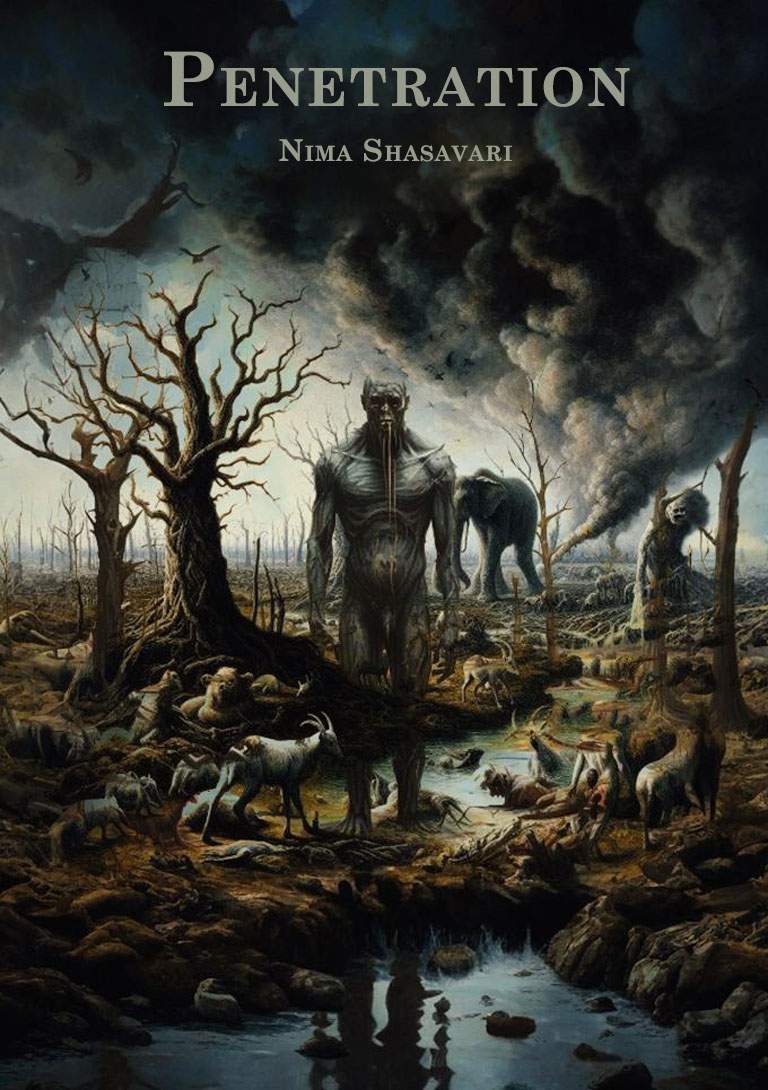
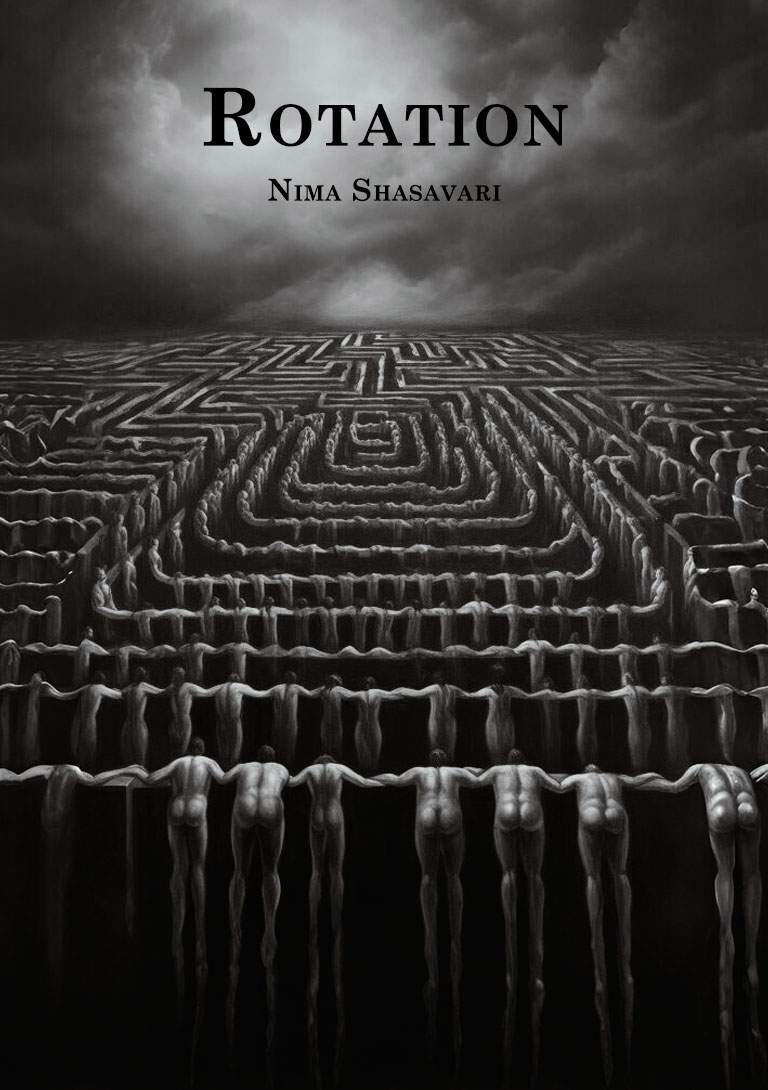
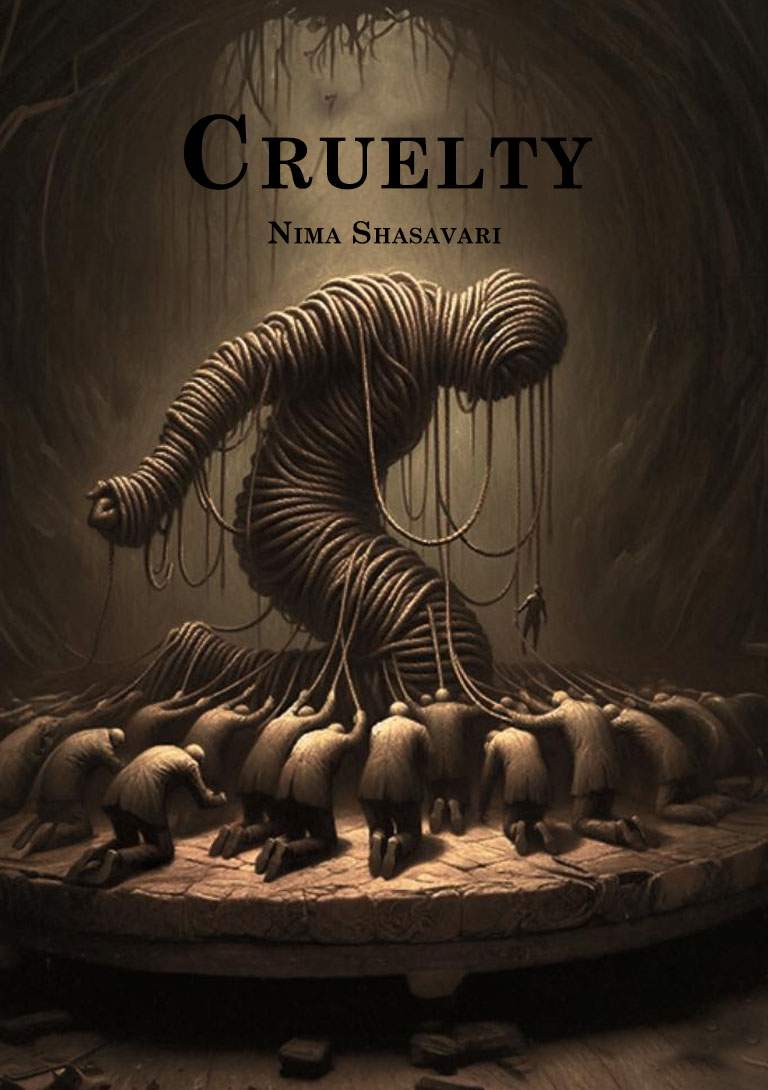
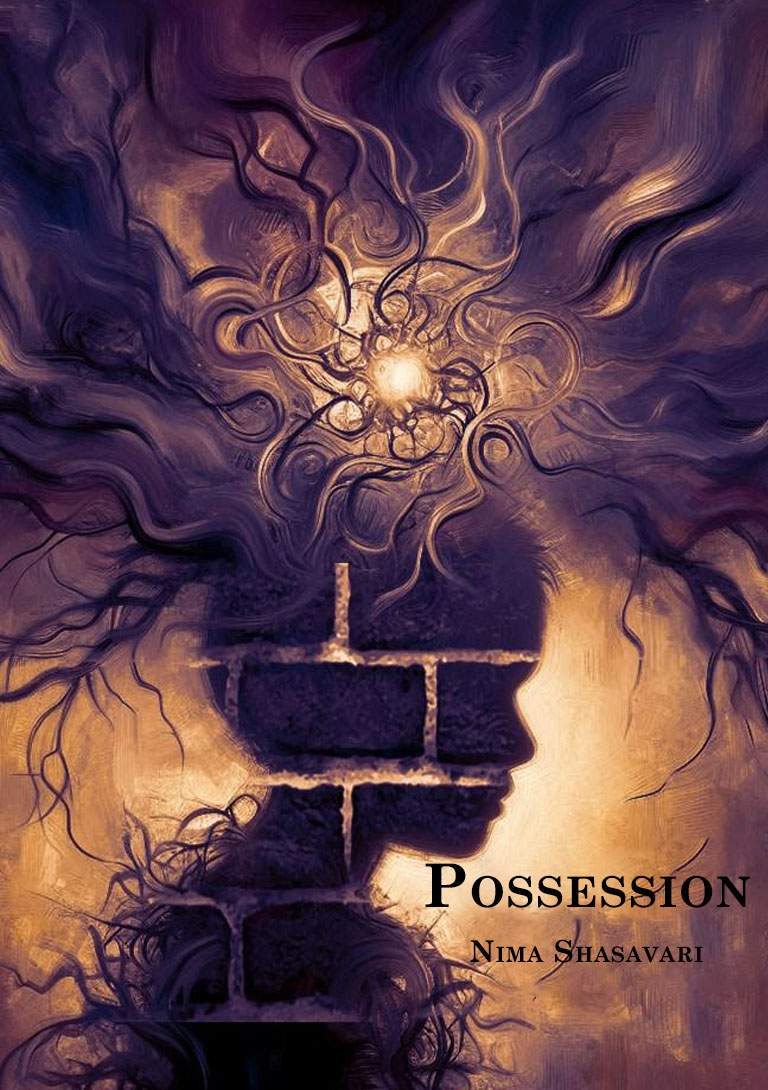
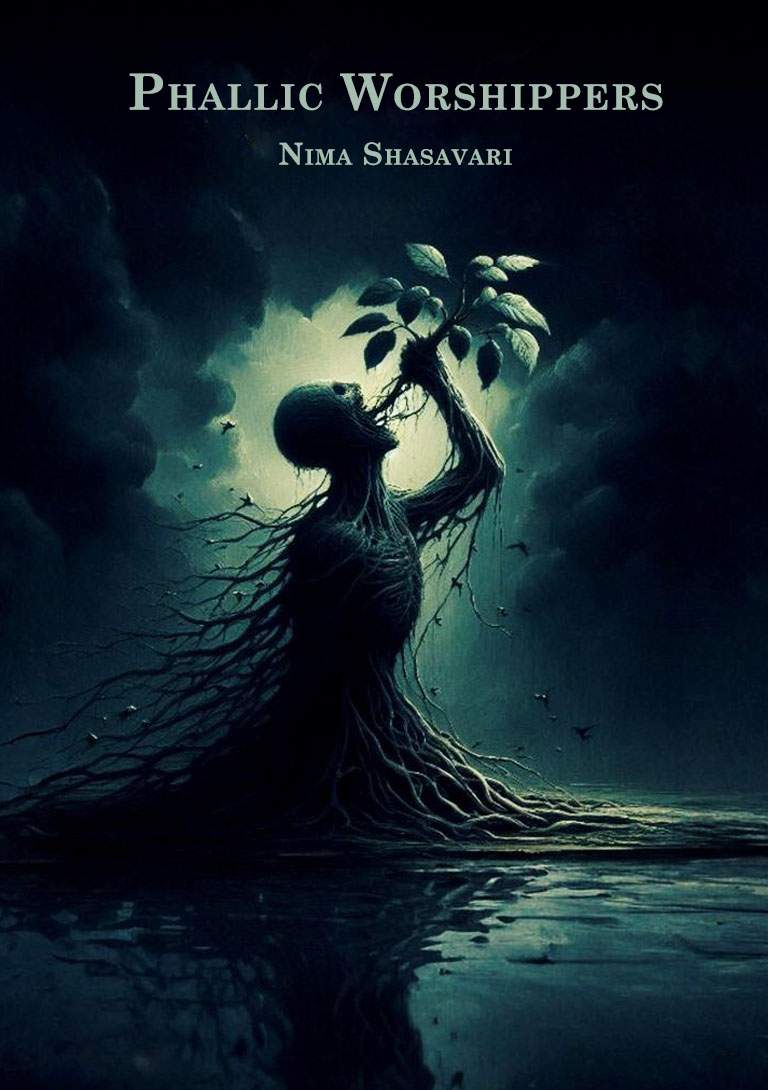
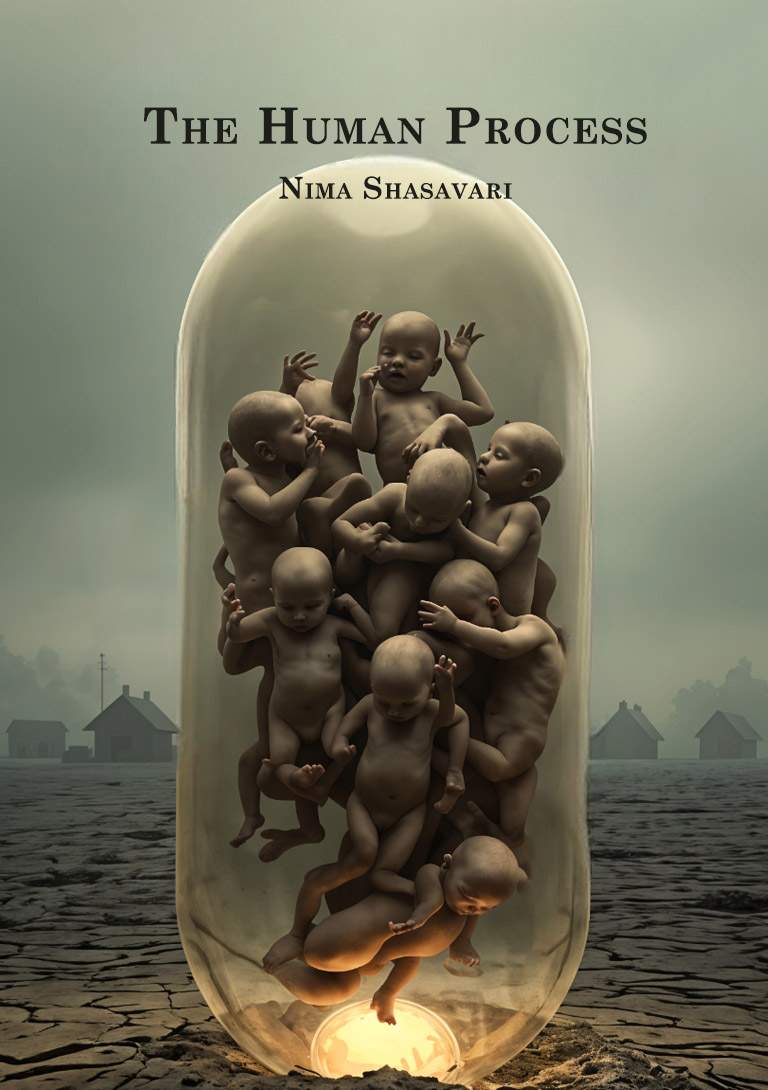
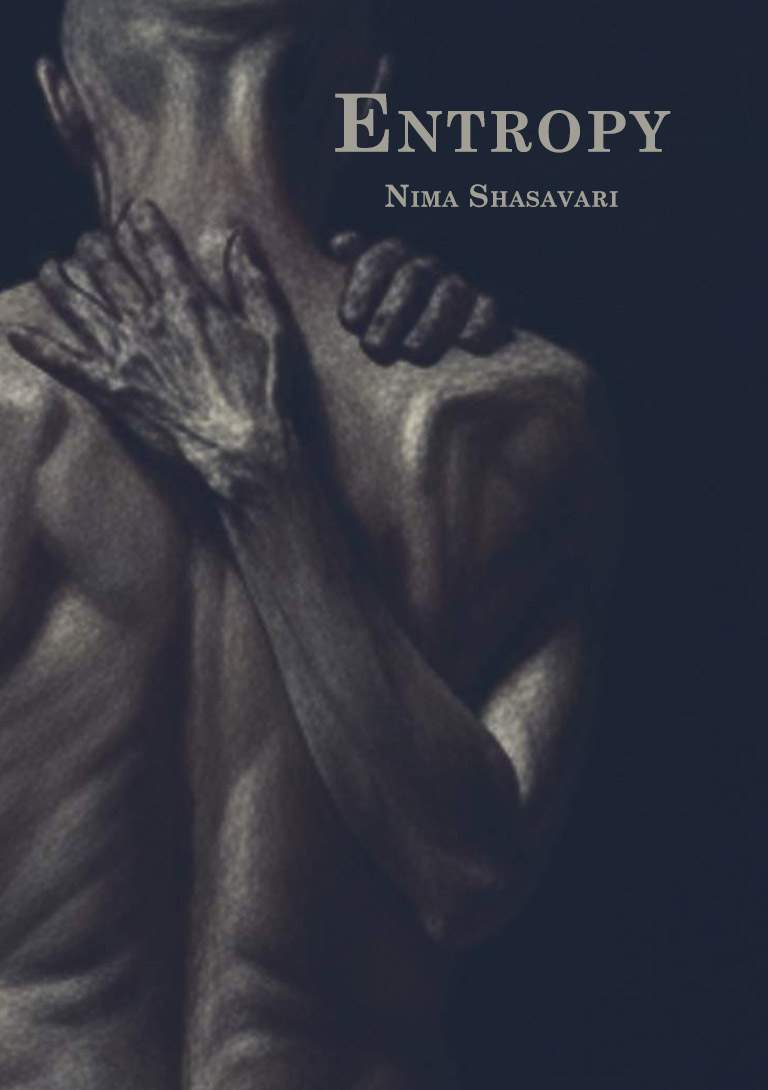
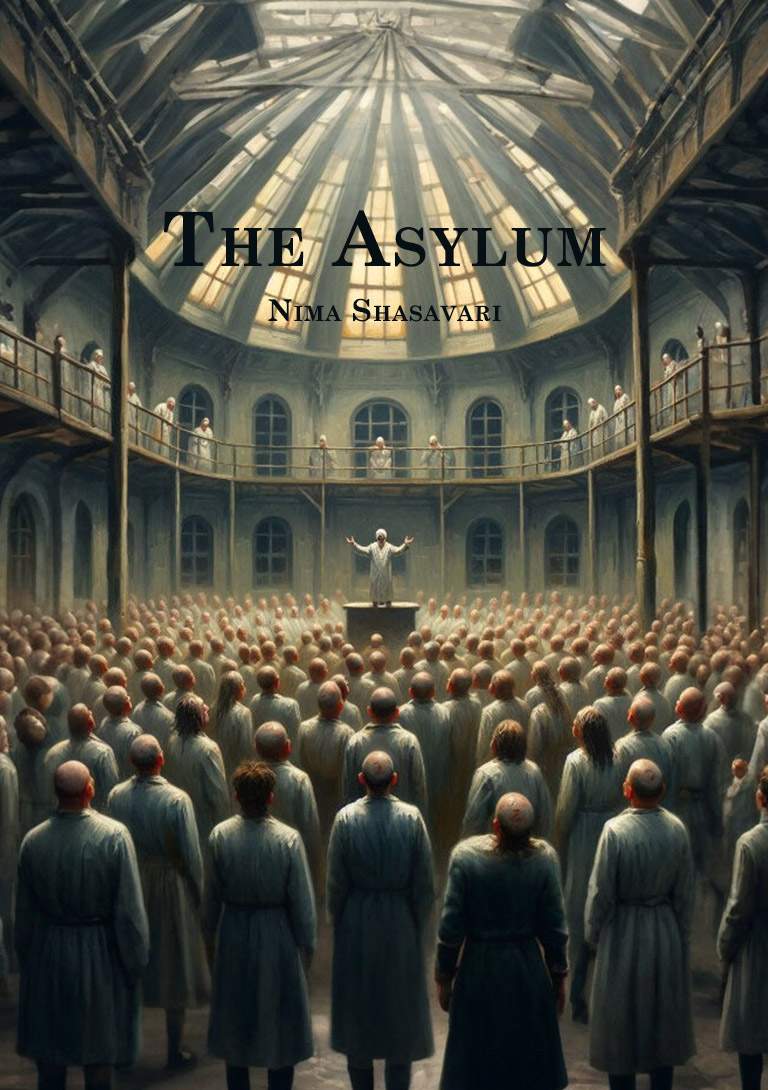
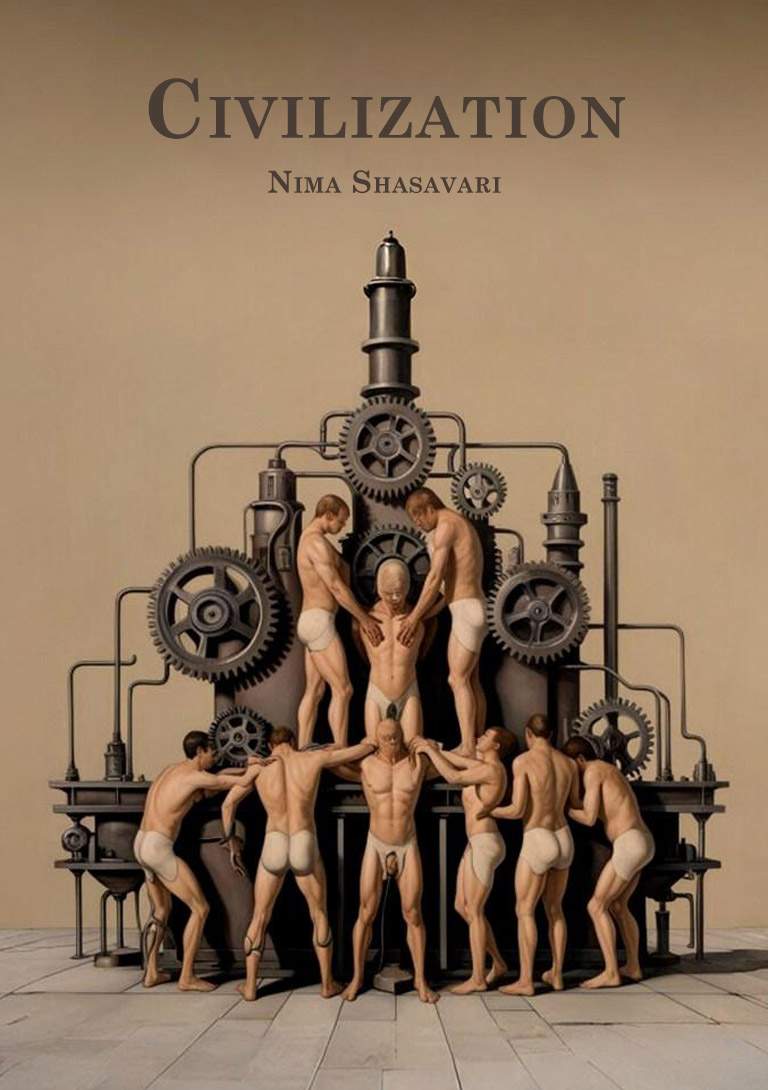
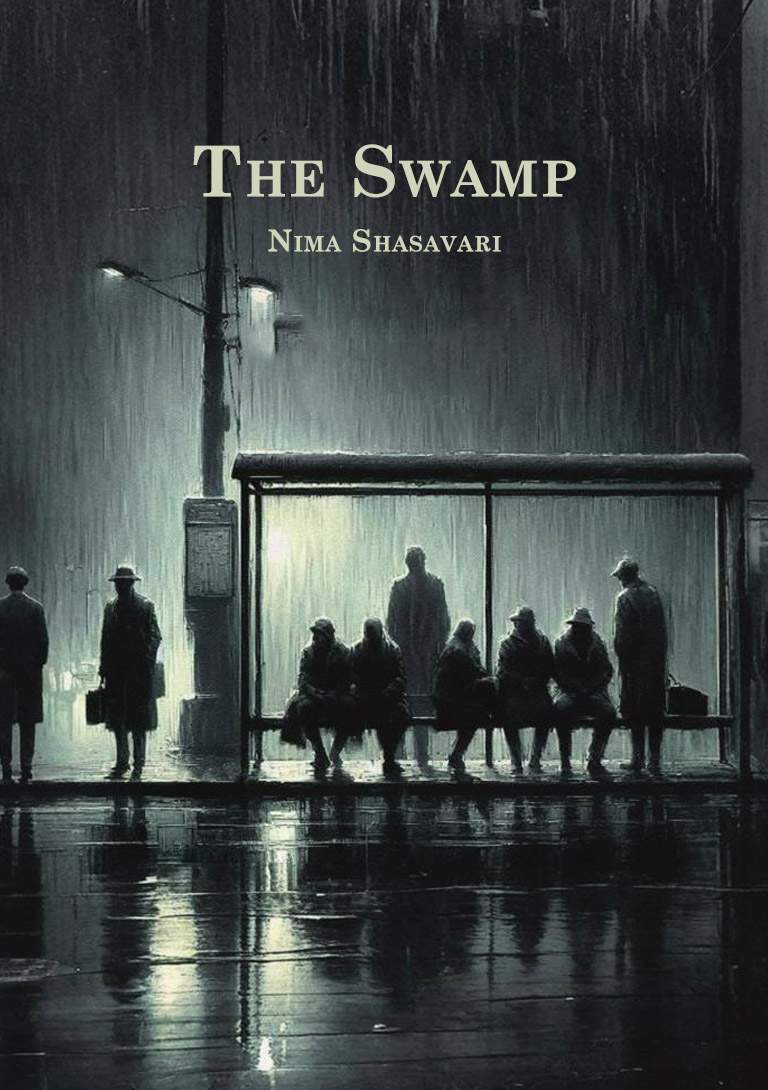
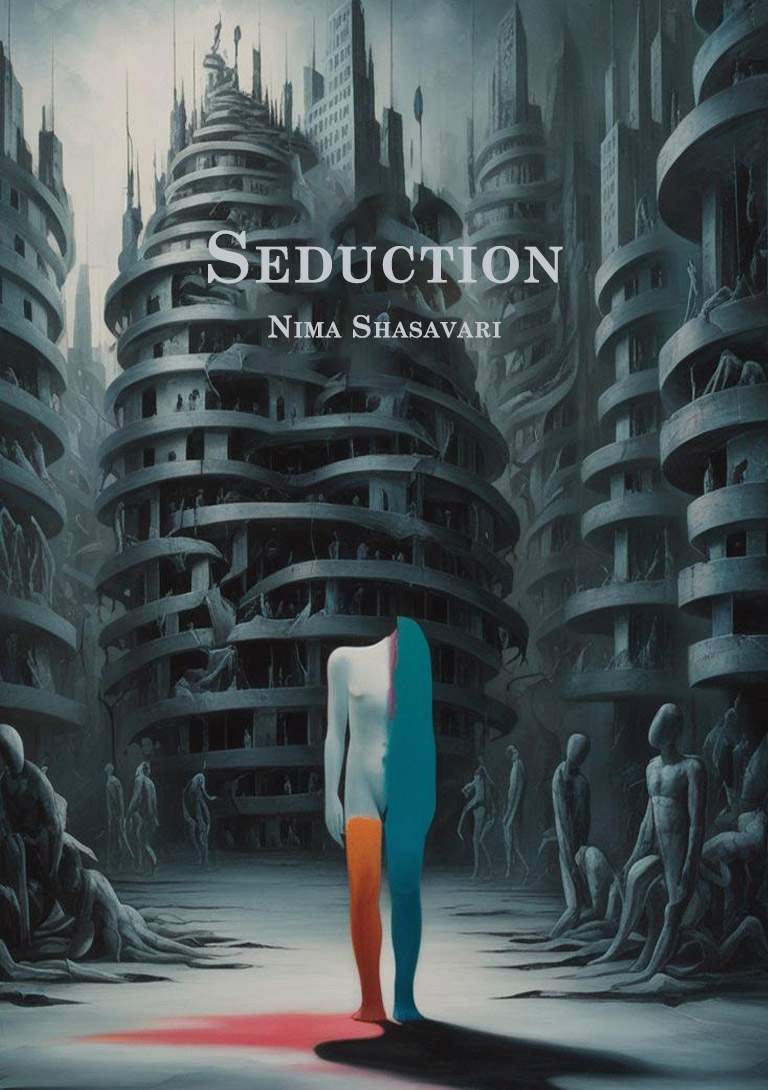
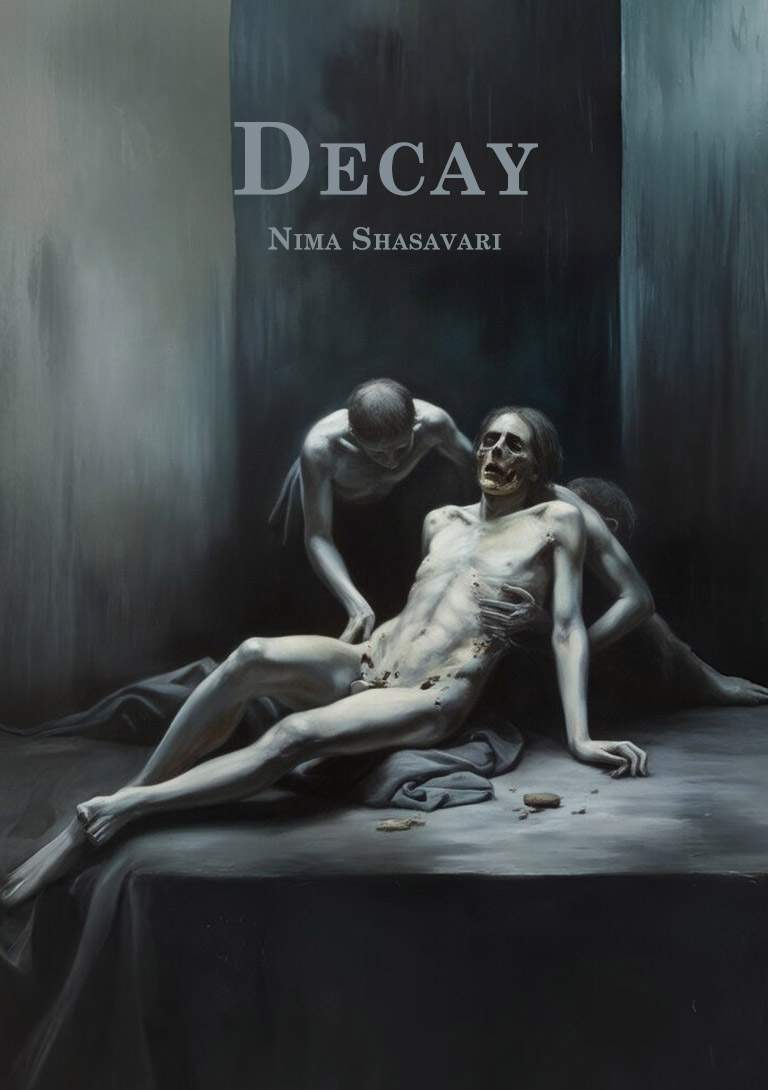
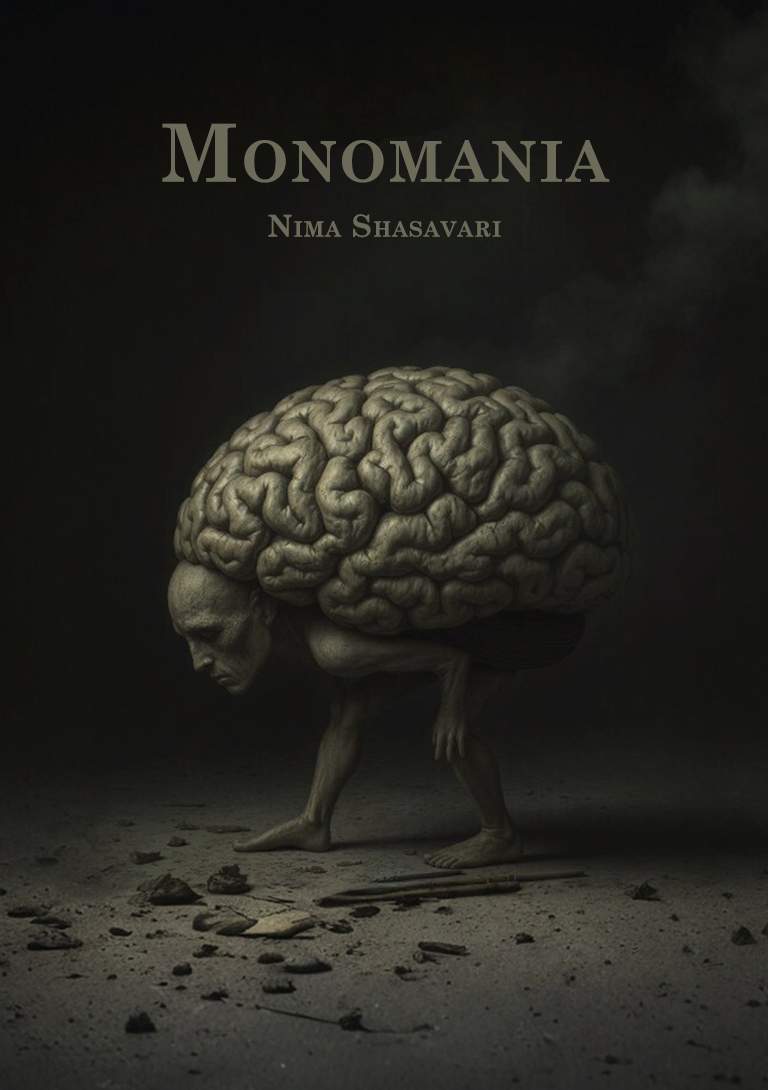
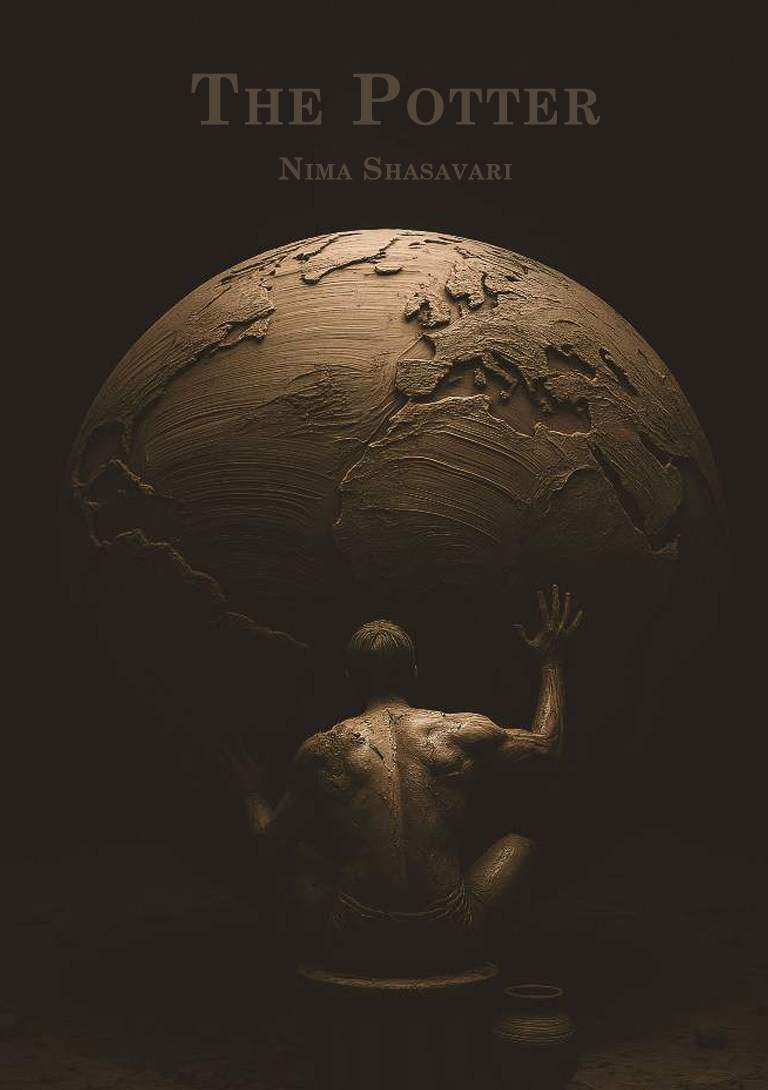
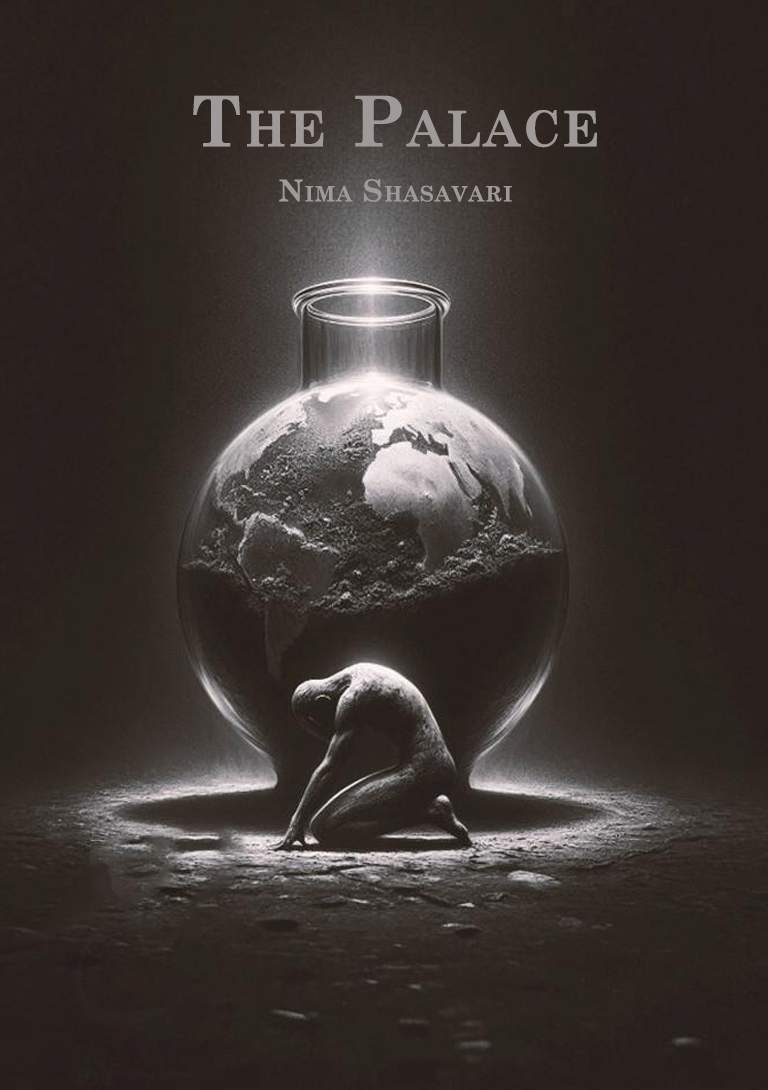
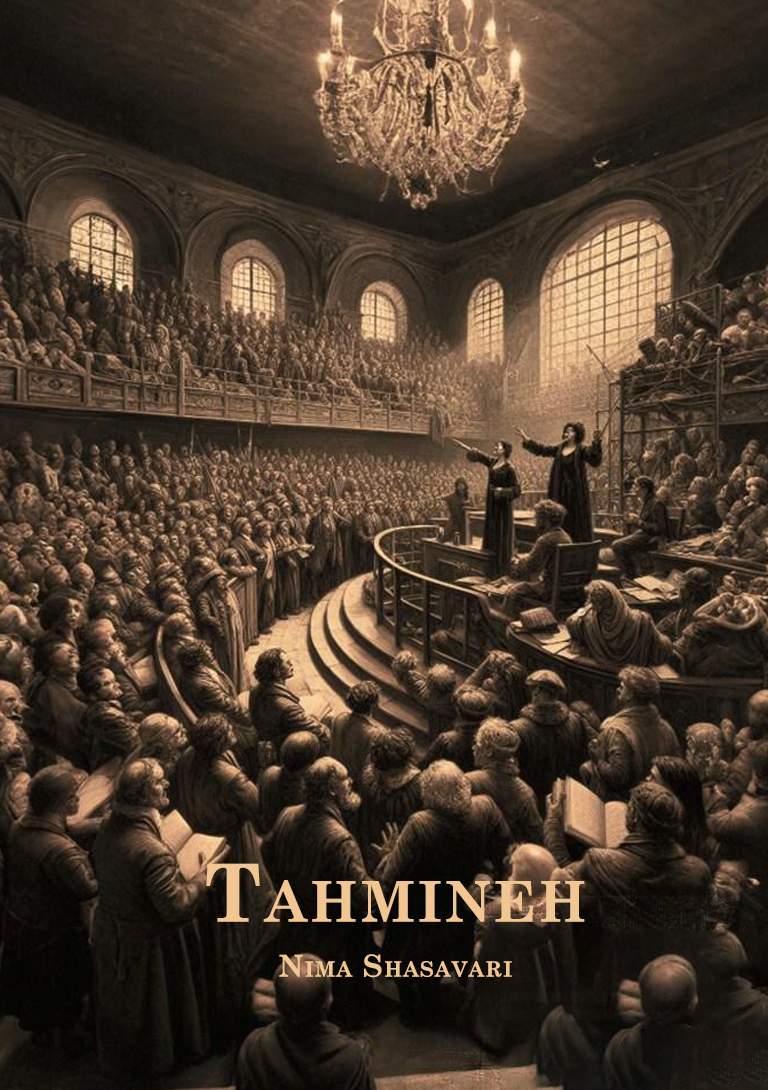
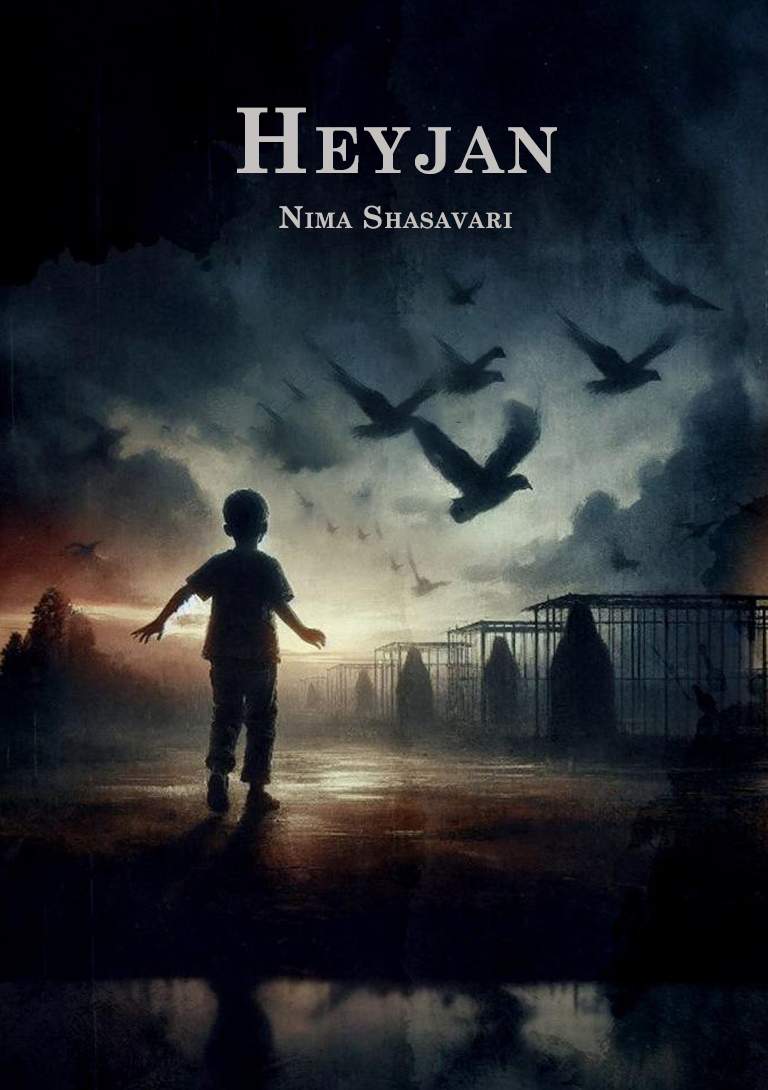
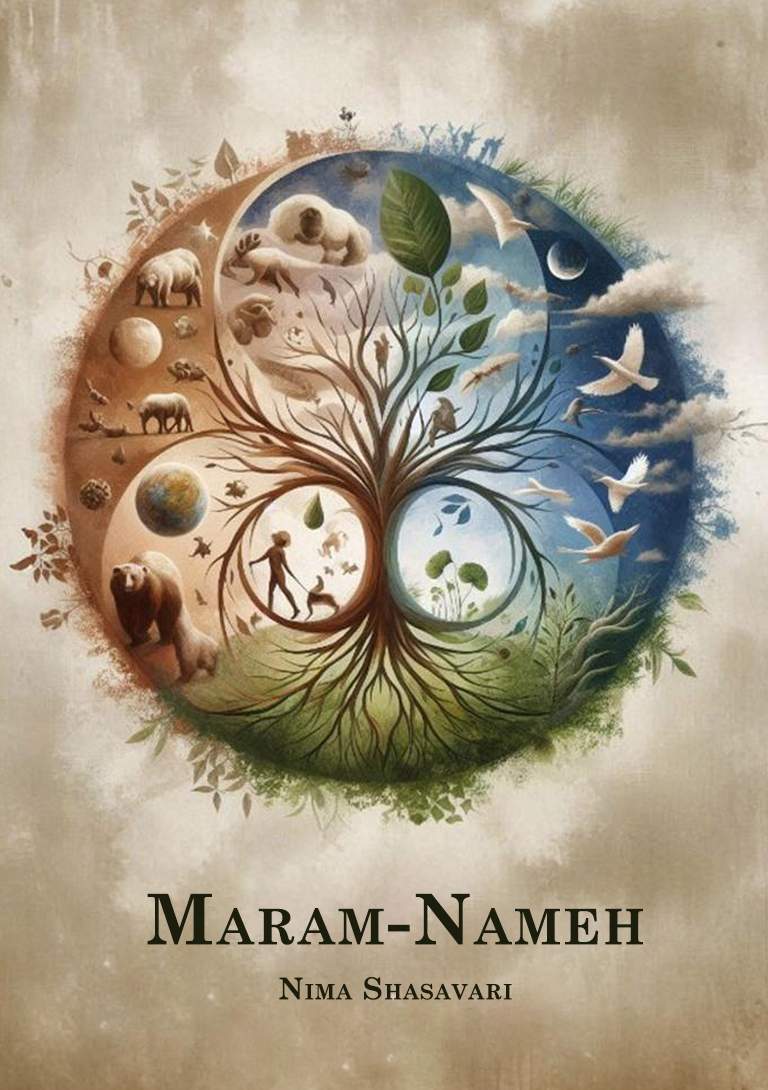
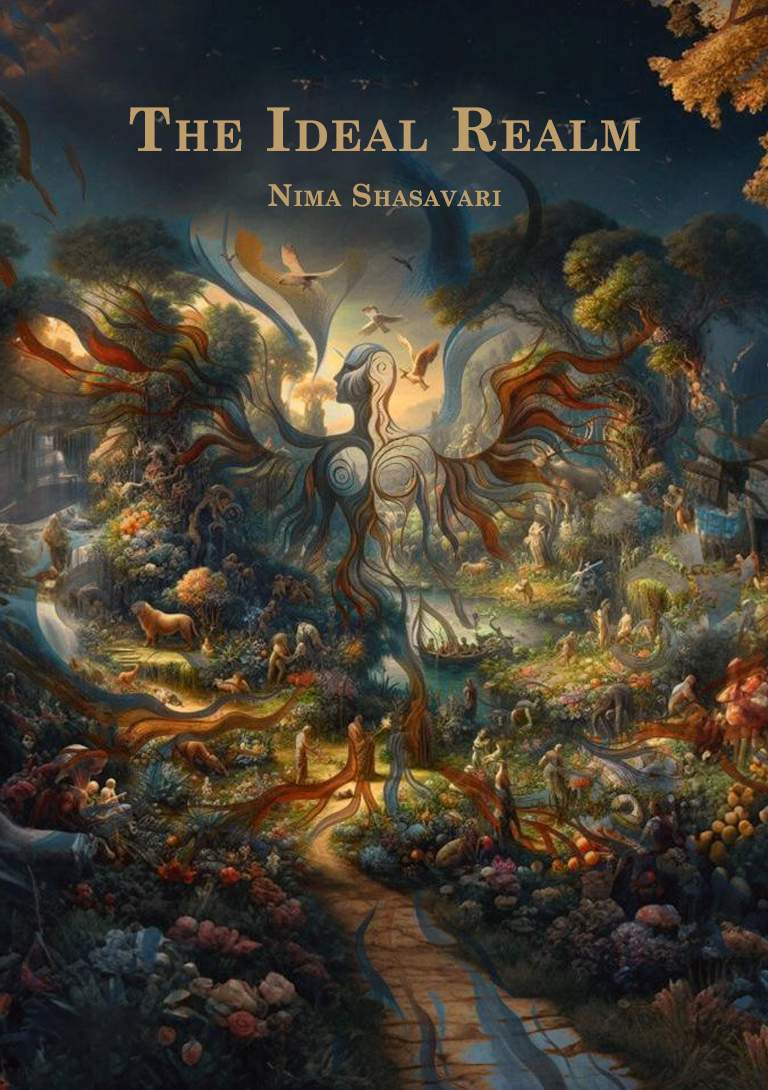
A philosophy cannot be sustained by isolated assertions or fragmented essays; it requires a comprehensive structural architecture that touches every dimension of human thought. This extensive archive brings together over fifty volumes of work, encompassing conceptual novels, analytical prose, historical-philosophical research, dialogues, and razor-sharp manifestos. Despite the wide variety of literary forms utilized across this corpus, every single text is anchored to an unyielding center of gravity: the doctrine of Janism and the absolute rejection of human supremacy.
Mainstream intellectual output frequently compartmentalizes philosophy, separating imaginative literature from political critique and historical analysis. Within this body of work, all forms serve the same militant purpose: to expose the mechanisms of control that govern human civilization and to articulate an uncompromised defense of all living existence. The novels breathe life into philosophical abstraction, the essays dissect the machinery of power, and the manifestos lay down the uncompromising laws of non-harm.
2. Deconstructing Anthropocentrism and the Cult of Human Supremacy
The primary target across this entire library of books is anthropocentrism—the foundational delusion that places humanity at the center of moral consideration while reducing all other living entities to instruments of utility. Humanism, despite its rhetorical appeals to dignity and freedom, has historically operated as an exclusive club built upon the corpses of the non-human world and the subjugation of the vulnerable. These texts systematically dismantle the philosophical, theological, and scientific rationalizations that prop up this planetary slaughterhouse.
By examining life through a non-anthropocentric lens, the books challenge the reader to discard the arrogant metrics of cognitive complexity or utility. Every living entity possesses an intrinsic right to exist, entirely independent of human authorization or economic value. This ontological shift destroys the moral foundation of modern industrial civilization, revealing it to be a sophisticated apparatus of mass exploitation.
3. The Anatomy of Power: From Theological Control to Modern Technological Enslavement
Power is not a neutral phenomenon; it is an active, coercive force that manufactures obedience and normalizes violence. The analytical works within this archive trace the evolution of authority across history. They dissect how ancient theological constructs established the psychological templates for obedience, and how modern political and economic systems inherited those structures to regulate and exploit life.
Instrumental reason, once celebrated as the pinnacle of human progress, is unmasked as an efficient machine of subjugation. Whether analyzing the totalizing state, ideological dogmas, or corporate-driven globalization, the books reveal an identical underlying mechanism: the concentration of power at the expense of individual autonomy and the living continuum. True emancipation requires not the reform of these structures, but their total deconstruction.
3.1 The Absolute Law of Non-Harm as a Structural Baseline
Across all fifty-plus volumes, the principle of non-harm is treated not as a passive moral suggestion, but as an absolute structural law. Authentic ethics cannot be built upon a foundation that normalizes daily violence. The books challenge readers to examine their complicity in systemic harm, demanding an unyielding adherence to non-aggression across personal, social, and political existence.
3.2 The Methodological Rigor of Book Pages
To ensure that international readers can navigate this massive intellectual output, each dedicated book page is meticulously structured. Providing detailed analytical summaries, structural breakdowns of chapters, and philosophical critiques, these pages act as comprehensive guides through dense theoretical landscapes, bridging the gap between original Persian texts and global comprehension.
4. The Living Archive: Iterative Translation and Global Co-Creation
Translating an expansive library of radical philosophical literature into English is a monumental task that rejects rushed, superficial execution. This archive is deliberately structured as a living, iterative project. Translations of the books are developed through a continuous, step-by-step process of refinement and updating, steadily expanding toward complete bilingual accessibility for international study.
Furthermore, this translation effort is paired with the **Open Translation Alliance**, an open call for independent scholars, translators, and thinkers worldwide to participate in the co-creation and dissemination of these works. Breaking down linguistic barriers is a collective responsibility, ensuring that the voice of Janism transcends borders and reaches every mind seeking uncompromised truth.
5. Uncompromised Open Access: Knowledge Free from Commercial Monopolies
True liberation cannot be bought, sold, or locked behind corporate paywalls. In strict alignment with the ethical framework of Janism, every book, manifesto, analytical breakdown, and future English translation within this archive is provided entirely free of charge under an open-access model.
Knowledge belongs to existence itself, not to the marketplace. By offering this entire intellectual corpus without restriction, the archive stands as an enduring monument against intellectual commodification. It invites readers to abandon anthropocentric illusions, embrace the universal equality of life, and join the unyielding march toward absolute structural liberation.


